Chinese


250 TPD Tungsten Ore Production Line Equipment Configuration: Avoid Overpriced Crushers, Jigs, Shaking Tables, and Cut CAPEX by 30% for Small Miners
If you're a small miner sitting on a 250 TPD tungsten deposit, you've probably already asked for quotes. And you've probably had that moment where you look at the numbers and think, “How on earth is this small plant going to cost me half a million dollars?”
You're not alone.
A 250 TPD tungsten ore production line is not a giant operation. It's roughly 10–12 tons per hour. That's small. But many equipment suppliers quote it like it's a 1,000 TPD mine. Oversized crushers. Too many jigs. Shaking tables with fancy names and fancy price tags. By the time you add freight, installation, and spare parts, your CAPEX is out of control.
The good news? You can cut that CAPEX by around 30% without cutting corners — if you configure the plant the right way. And that's exactly what this article is about.
We'll look at a practical 250 TPD tungsten ore processing plant, the equipment you actually need, the mistakes that waste money, and real cases from China and overseas. Plus, I'll show you how working with a direct manufacturer like Jiangxi Hengchang Mining Machinery Equipment can keep your budget under control.
First, Understand What 250 TPD Really Means
250 TPD means 250 tons per day.
If you run 24 hours, that's about 10.4 tons per hour. If you run two 10-hour shifts, it's 12.5 tons per hour. Either way, you're in the small-to-medium range. You do not need a 50-ton-per-hour jaw crusher. You do not need four jigs and ten shaking tables.
Many small miners get talked into oversized equipment because the supplier wants a bigger sale. That's the first place your CAPEX gets eaten.
Rule number one: size the equipment to your ore, not to the supplier's commission.
Wolframite vs. Scheelite: The Flow Sheet Comes First
Tungsten ore isn't all the same. Before you buy anything, you need to know what you're dealing with.
Wolframite is usually recovered by gravity separation. It's heavy, so jigs and shaking tables work well.Scheelite is more complex. Gravity can work, but flotation is often needed for fine particles.
If someone tries to sell you a full gravity line for scheelite without a test, walk away. You'll either lose recovery or spend extra on equipment you don't need.
At Hengchang, the first step is always a ore test. Send 20–50 kg of your ore. They run it in the lab. Then they design the flow sheet. That alone can save you 10–20% on equipment because you're not guessing.
A Practical 250 TPD Tungsten Equipment Configuration
Here's a typical configuration for a 250 TPD wolframite gravity plant. This is not a “dream big” list. It's a right-sized list.
| Stage | Equipment | Qty | Notes |
|---|---|---|---|
| Feeding | GZD 850×3000 vibrating feeder | 1 | Small, reliable |
| Primary crushing | PE 400×600 jaw crusher | 1 | 10–15 TPH |
| Secondary crushing | PEX 250×1000 fine jaw crusher | 1 | Closed circuit with screen |
| Screening | YK 1237 vibrating screen | 1 | 2YK or 3YK |
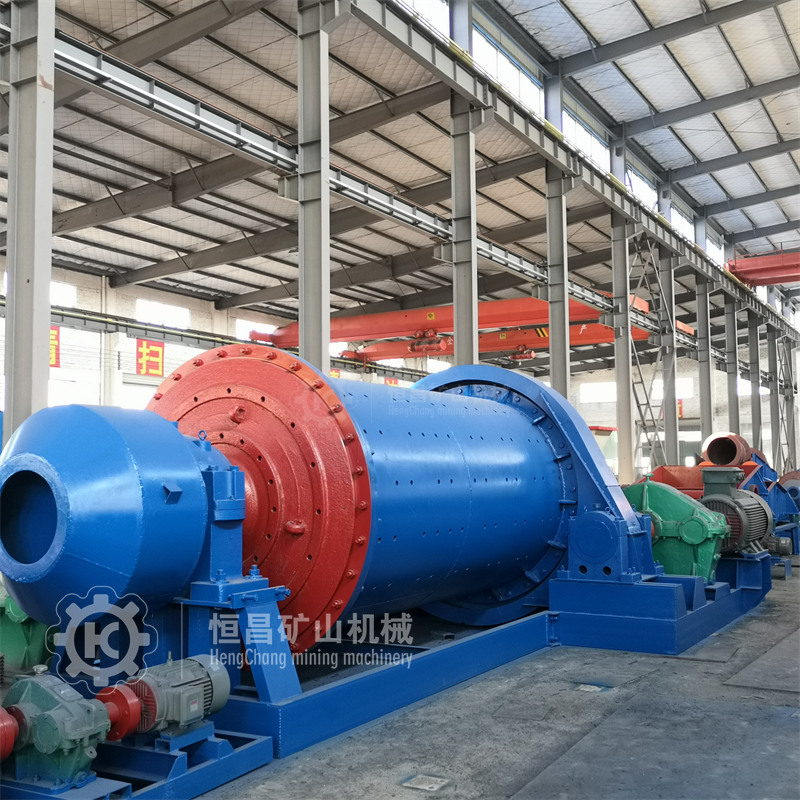
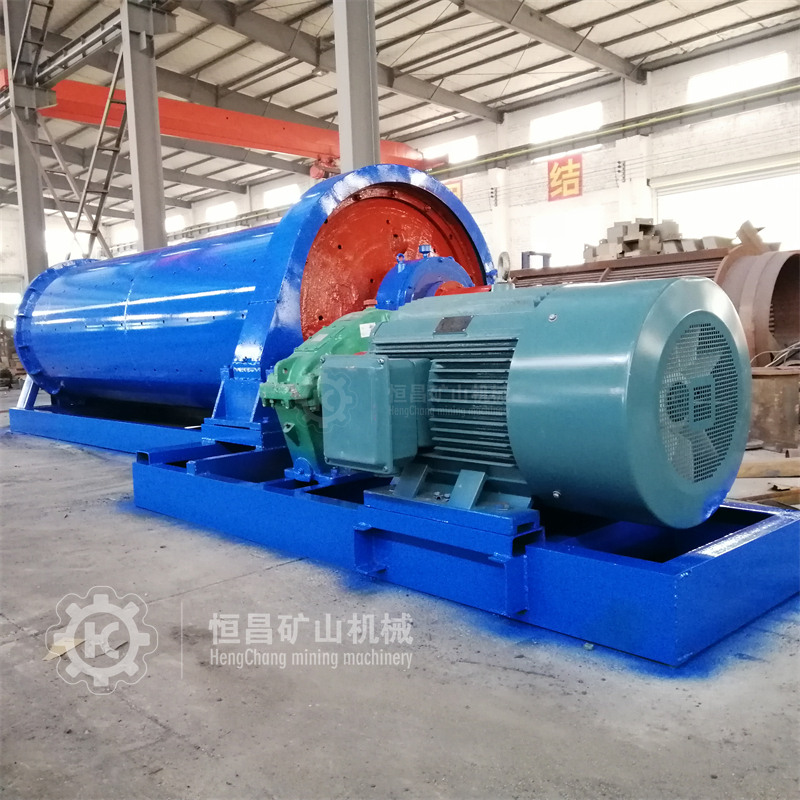
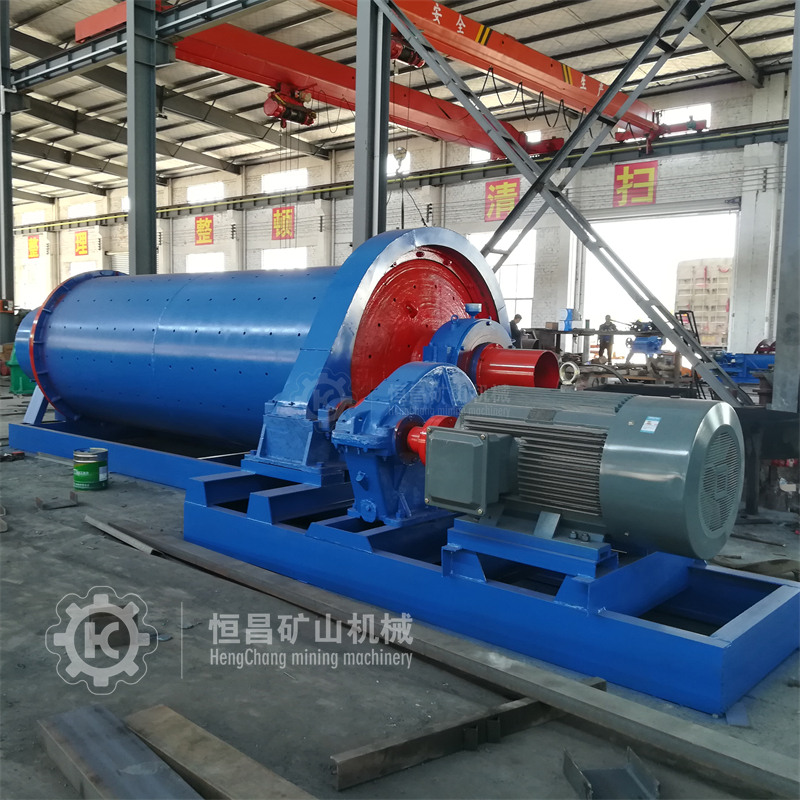
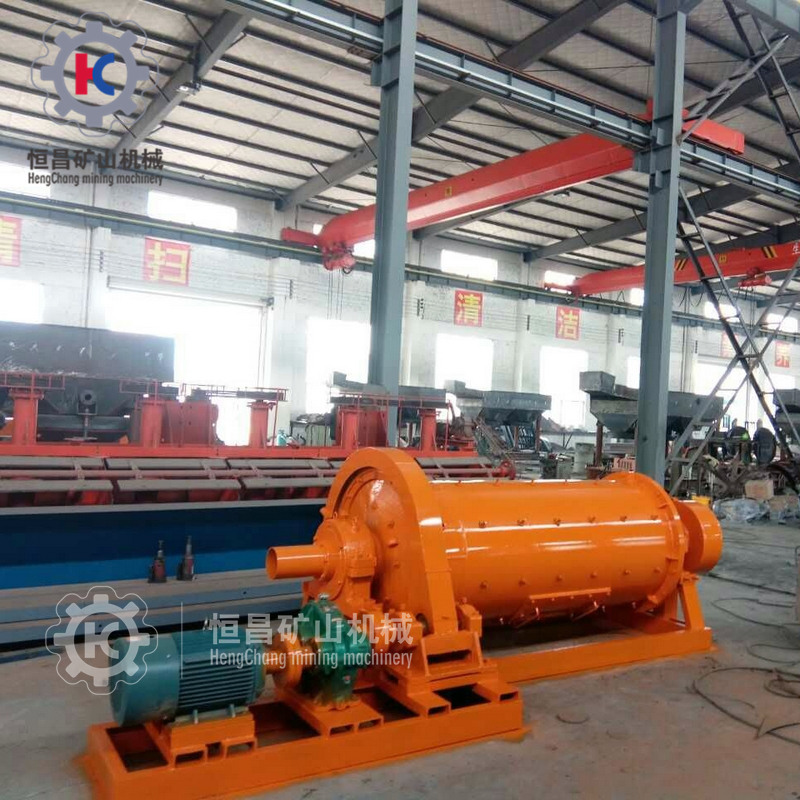
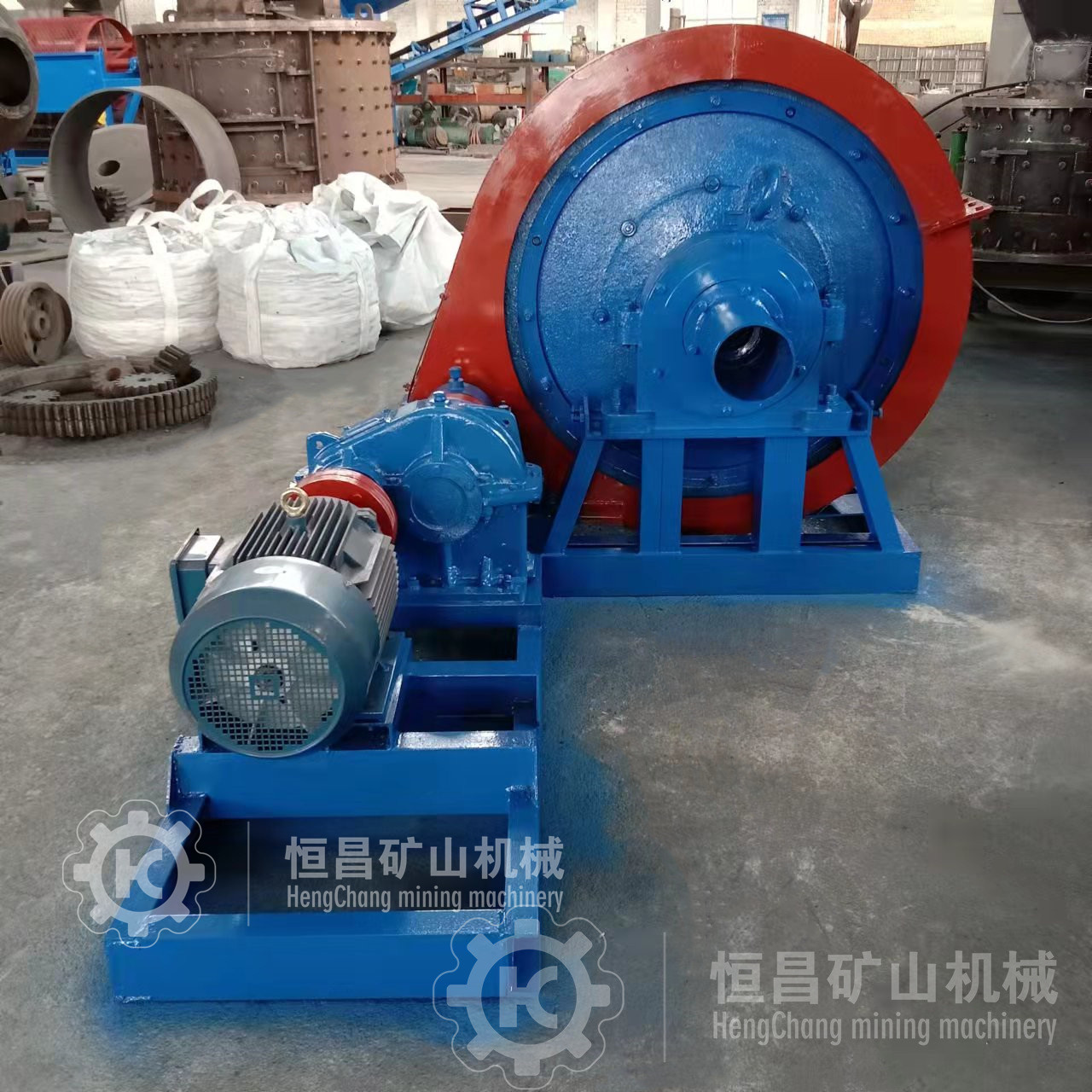
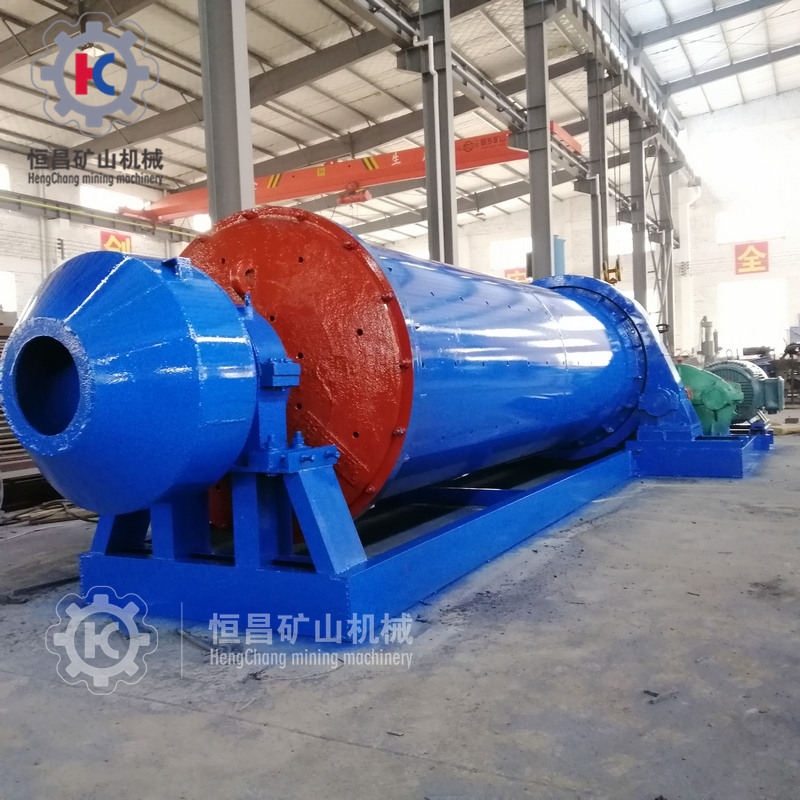
| Grinding | 1500×3000 ball mill | 1 | Or rod mill for less sliming |
| Classification | FG-750 spiral classifier | 1 | |
| Gravity – coarse | JT2-2 jig concentrator | 2 | For -10mm material |
| Gravity – fine | 6-S shaking table | 6 | For -2mm material |
| Gravity – slimes | Sluice box or spiral chute | 1 set | Optional |
| Dewatering | NX-8 thickener | 1 | |
| Dewatering | Filter press | 1 | |
| Tailings | Slurry pump | 2 | One duty, one standby |
That's it. No overpriced European crusher. No hydraulic jig with a digital screen. No gold-plated shaking table.
You can run this plant with a total installed power around 150–200 kW. And if you buy from a direct manufacturer like Jiangxi Hengchang Mining Machinery Equipment, the equipment cost can be 30% lower than a typical turnkey quote from a trading company.
Why This Configuration Cuts CAPEX by 30%
Let's break it down.
1. Two-stage crushing, not three
For 10–12 TPH, a PE 400×600 jaw plus a PEX 250×1000 fine jaw is enough. You don't need a cone crusher. You don't need a tertiary crusher. That's $15,000–$30,000 saved right there.
2. Jig before table
The jig does the heavy lifting. It removes a big chunk of waste before the material ever hits the shaking tables. That means you need fewer tables. Instead of 10 tables, you need 6. That's another $12,000–$20,000 saved.
3. Right-sized shaking tables
A 6-S shaking table is the workhorse of tungsten gravity separation. It's simple, cheap to maintain, and it works. You don't need a fancy “high-intensity” table that costs three times as much. Buy from a manufacturer that builds them every day.
4. Modular layout
A compact layout means less concrete, less piping, less electrical cable, and less steel structure. Hengchang designs skid-mounted or containerized modules for small plants. That cuts site work and installation time.
5. Buy direct, not from a middleman
Trading companies add 15–30% on top. A direct manufacturer like Hengchang doesn't. You also get faster spare parts and technical support.
Add all that up, and a 250 TPD plant that might be quoted at $180,000–$250,000 can be built for $120,000–$170,000. That's your 30% cut.
Real Cases: Domestic and International
Domestic case: Ganzhou, Jiangxi, China
A small wolframite mine in Ganzhou was running a 250 TPD plant. Their old line had an oversized jaw crusher and only two shaking tables. Recovery was poor, and they were losing fine tungsten in the tailings.
They switched to a Hengchang-designed flow sheet: PE 400×600 jaw, PEX 250×1000 fine jaw, 1500×3000 ball mill, two JT2-2 jigs, and six 6-S shaking tables.
Result: recovery went from around 70% to 84–86% WO₃. CAPEX for the new equipment was about 30% lower than a competing turnkey quote. The plant paid for itself in less than two years.
International case: Rwanda, 250 TPD tungsten tailings
A mining company in Rwanda was reprocessing old tungsten tailings. They needed a plant that could be shipped in containers and set up quickly.
Hengchang supplied a 250 TPD modular plant: jaw crusher, ball mill, jig, shaking tables, and dewatering unit. Everything was pre-wired and pre-piped as much as possible.
The client reported that their total CAPEX was 28–32% lower than a quote from a European supplier. The plant was running within eight weeks of delivery.
Another example: Bolivia, 200 TPD tin-tungsten
A small operation in Bolivia used a similar configuration for tin-tungsten ore. They used a jig for coarse concentration and 6-S tables for cleaning. Hengchang provided the jigs and tables. The miner said the equipment was “simple, tough, and easy to fix” — which is exactly what you want in a remote area.
Application Scenarios: Where This 250 TPD Plant Fits
Hard rock wolframite mines with 1–5% WO₃ feed grade.Scheelite mines where gravity is used as a pre-concentration step before flotation.
Tailings reprocessing projects with old tungsten tailings.
Small underground mines that need a compact surface plant.
Alluvial or placer tungsten (rare, but possible with wolframite).
If your ore is complex, Hengchang can add a high-intensity magnetic separator for wolframite or a flotation circuit for scheelite. But don't add those unless the test says you need them. That's how you keep CAPEX down.
Mistakes That Blow Your Budget
Buying an oversized crusher. A 50 TPH crusher for a 10 TPH plant is a waste of money and power.Using too many jigs. One or two jigs can do the job. More jigs don't always mean better recovery.
Buying shaking tables without testing. Not all tables work well on all ores. Test first.
Ignoring slimes. Tungsten slimes are a pain. If you don't plan for them, you'll lose values.
Paying for brand names. A jaw crusher is a jaw crusher. You're paying for steel and assembly, not a logo.
Going with a trading company. You'll pay more and wait longer for parts.
How to Work with Jiangxi Hengchang Mining Machinery Equipment
If you're serious about a 250 TPD tungsten plant, here's the simple process:
Send a sample. 20–50 kg of ore. Tell them your deposit type and target capacity.Get a lab test. They'll run gravity tests, maybe flotation, and tell you what recovery is realistic.
Get a flow sheet. You'll see exactly what equipment you need — and what you don't.
Get a direct quote. No middleman markup.
Install and train. Hengchang can send engineers to help with commissioning and operator training.
They've been building mineral processing equipment for decades. Their factory is in Jiangxi, China — a region known for tungsten mining. They know tungsten.
Final Word: Don't Overpay for “Big Brand” Equipment
A 250 TPD tungsten ore production line should be a money-maker, not a money pit. You don't need overpriced crushers, jigs, or shaking tables. You need the right size, the right flow sheet, and a supplier who actually builds the equipment.
If you cut the oversized gear, use gravity wisely, and buy direct from a manufacturer like Jiangxi Hengchang Mining Machinery Equipment, you can realistically cut CAPEX by 30% — and put that savings into your operation, your people, and your next project.
Before you sign that next big quote, get a second opinion. Send your ore sample. Run the test. Then decide. Your wallet will thank you.