Chinese


50 TPD Chromite Ore Processing Plant Equipment Configuration Guide: Crusher, Ball Mill, Shaking Table, Water Use & Site Layout for Small Miners
If you are running a small chromite mine, you have probably asked yourself this question: Do I really need a full processing plant, or can I just sell raw ore? The honest answer is that a simple 50 TPD chromite ore processing plant can pay for itself faster than most people think — if you configure it correctly. But get the crusher too small, the ball mill too big, or the water system wrong, and you will either lose money or lose chrome values in the tailings.
This guide is written for small miners, family-run operations, and start-up projects. We will walk through a practical 50 TPD chromite beneficiation plant, including equipment selection, water use, site layout, and real success cases from Africa, Asia, Europe, and China. I will also mention where Jiangxi Hengchang Mining Machinery Equipment fits into the picture, because they have supplied many of these small chromite lines and know the tricks that keep a 50 TPD plant profitable.
What Does 50 TPD Actually Mean?
50 TPD means 50 tons of raw chromite ore per day. But that number means nothing until you decide your working shift.
8-hour shift: about 6.25 tons per hour10-hour shift: about 5 tons per hour
24-hour continuous: about 2.1 tons per hour
Most small miners run one or two shifts. So design your crushing and grinding circuit for 6–8 tons per hour, not 2 tons per hour. That single decision changes the jaw crusher and ball mill size.
Chromite is a heavy mineral. Its specific gravity is about 4.3–4.8, which makes gravity separation the go-to method. No chemicals, no flotation, no complex reagents. A 50 TPD chromite ore processing plant usually uses crushing, grinding, screening, spiral chutes, and shaking tables.
Equipment Configuration for a 50 TPD Chromite Plant
Here is a practical equipment list. You do not need to buy the biggest machines. You need machines that match your feed size, hardness, and daily tonnage.
| Stage | Equipment | Recommended Model | Notes |
|---|---|---|---|
| Feeding | Vibrating feeder | GZD 750×2500 | Smooth feed to jaw crusher |
| Primary crushing | Jaw crusher | PE 250×400 or PE 400×600 | PE 250×400 for 8h; PE 400×600 for harder ore |
| Secondary crushing | Fine jaw crusher | PEX 150×750 | Reduces ore to 10–20 mm |
| Screening | Vibrating screen | 2YK1237 or 3YK1237 | Close the crushing circuit |
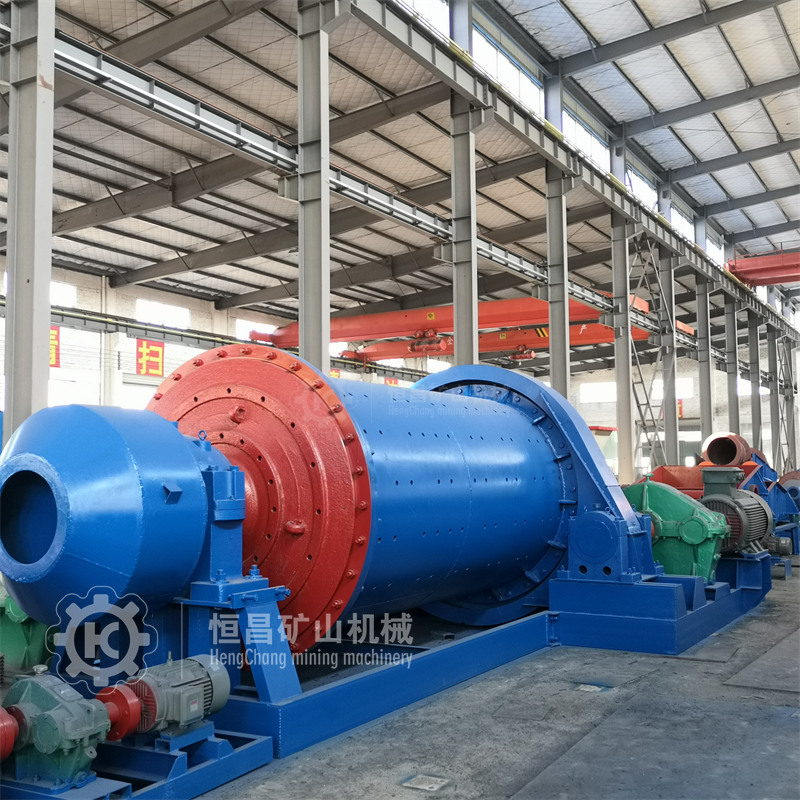
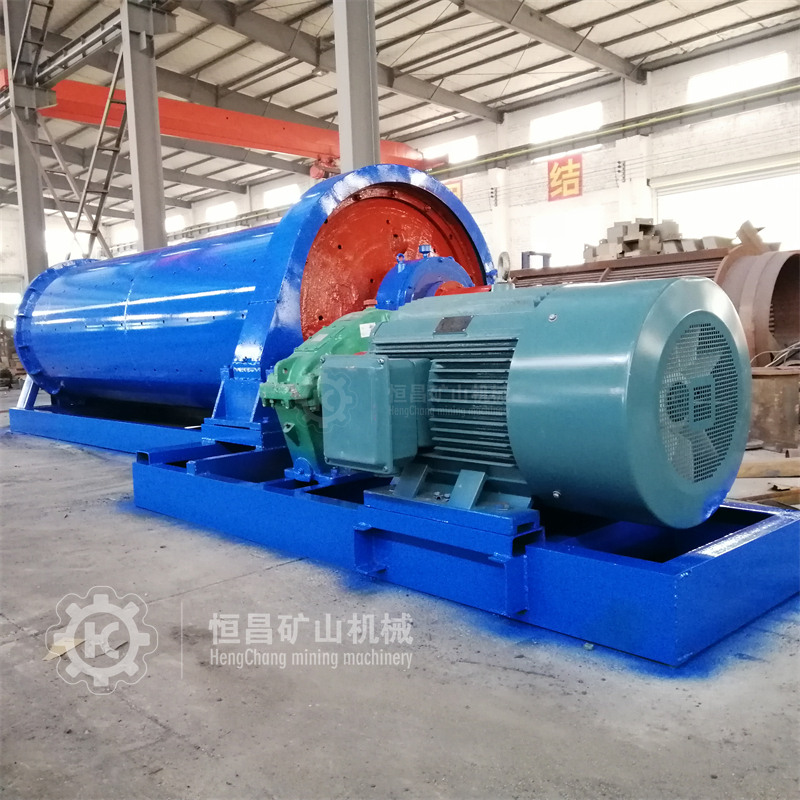
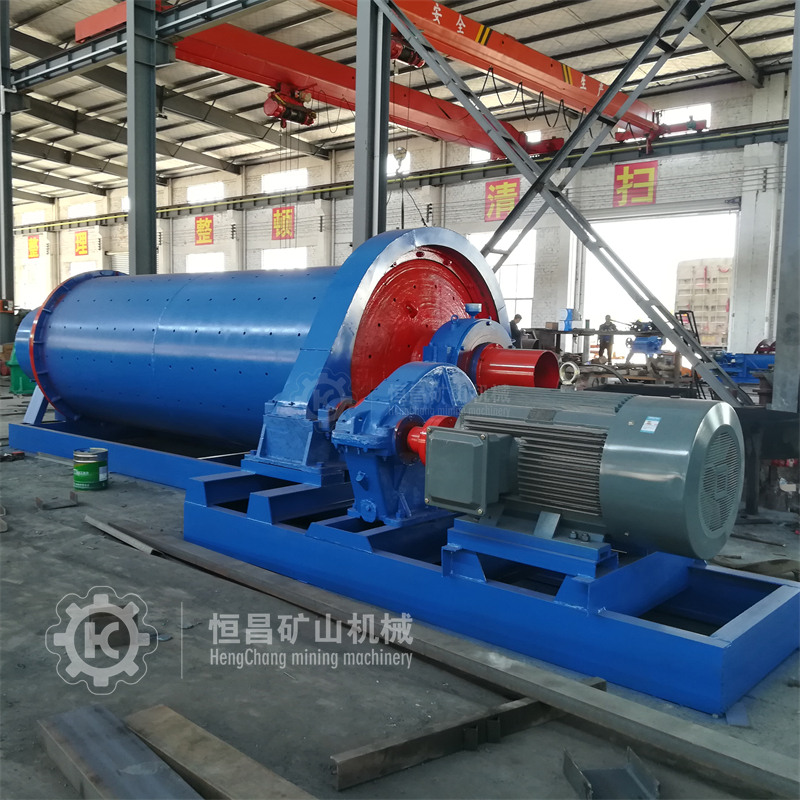
| Grinding | Ball mill | 1200×2400 or 1500×3000 | 1200×2400 for 50 TPD; 1500×3000 if harder |
| Classification | Spiral classifier | FG-7.5 or FG-10 | Return coarse sand to mill |
| Roughing | Spiral chute | 5LL-600 or 5LL-900 | Remove light gangue early |
| Cleaning | Shaking table | 6-S | 2–3 units for 50 TPD |
| Water | Slurry pump, water pump | Per layout | Size by head and distance |
| Tailings | Thickener or settling pond | Small | Recycle water |
A few notes from real projects:
The PE 250×400 jaw crusher is popular for 50 TPD because it is cheap, easy to move, and handles feed up to 200 mm. If your ore is very hard or you want more capacity, go PE 400×600.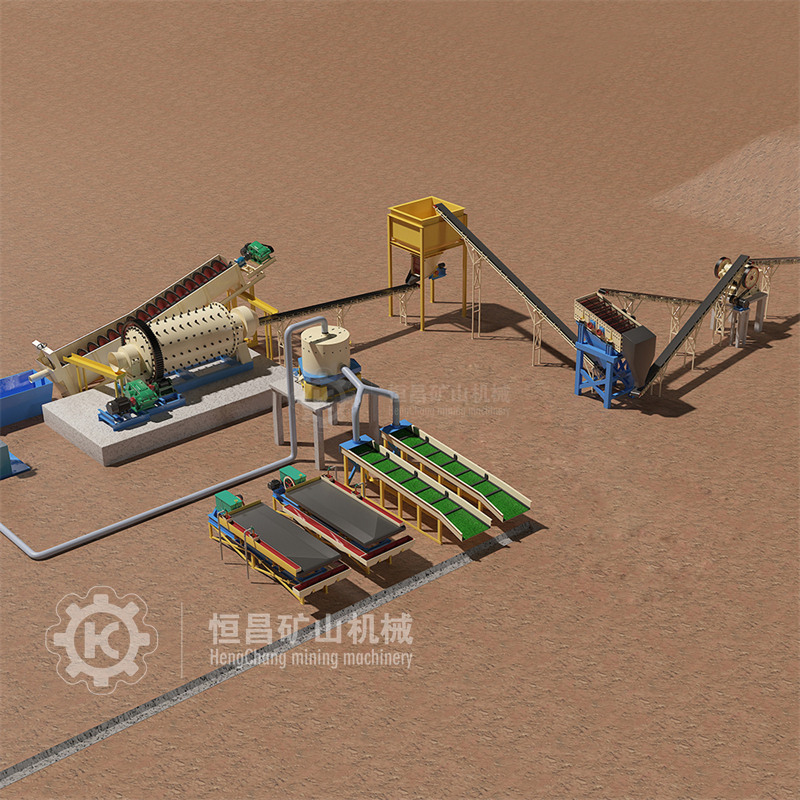
Shaking tables are the heart of chromite cleaning. One 6-S table handles about 0.5–1.5 tons per hour depending on feed size. For 50 TPD, plan on two tables for roughing and one for cleaning, or three tables in a bank.
Do not skip the spiral chute. It is cheap, has no moving parts, and removes a lot of light waste before the shaking table. That makes your tables work better.
Water Use: How Much Do You Really Need?
Chromite gravity separation uses water, but not as much as people fear. A 50 TPD plant typically uses 3–6 cubic meters of water per ton of ore. That is 150–300 m³ per day if you use fresh water only.
But you should not use fresh water only.
With a simple recycling system, fresh water make-up drops to 20–40 m³ per day. The rest comes back from the tailings pond or thickener. That saves money and keeps you compliant in dry areas.
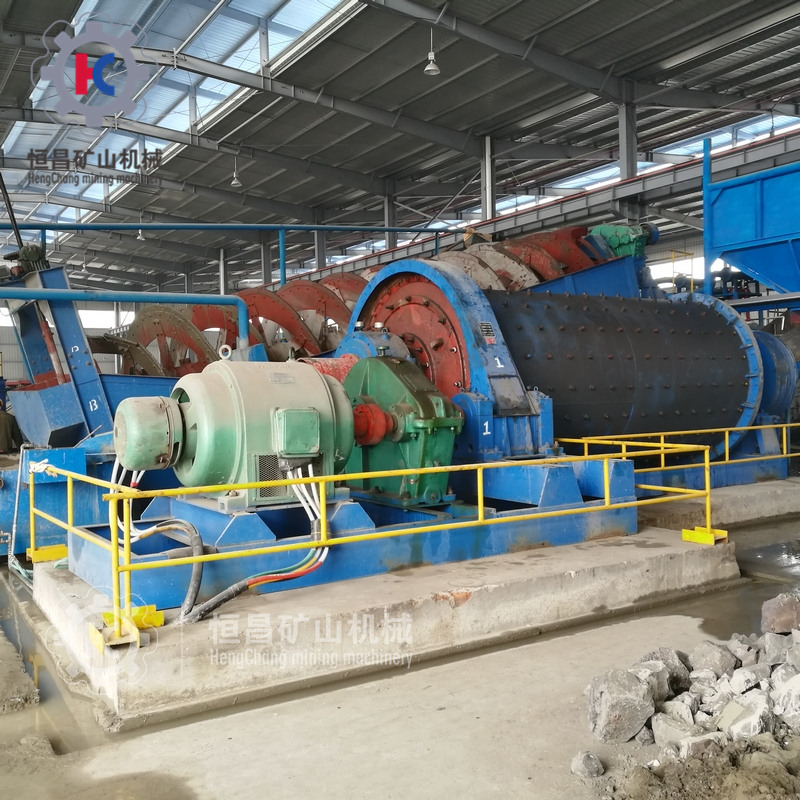
A basic water circuit for 50 TPD looks like this:
Process water tank near the ball mill and shaking tables.Slurry pump sends tailings to a settling pond or thickener.
Overflow from the pond returns to the water tank.
Fresh water is added only to replace losses from moisture in concentrate and tailings.
In Zimbabwe and South Africa, many small chromite plants run with a lined settling pond and a return pump. In Turkey and Albania, miners often use a small thickener because water is scarce in summer. Jiangxi Hengchang usually includes a water recycling layout in their 50 TPD plant design, which is one reason their projects start up faster.
Site Layout for a Small Chromite Plant
You do not need a huge site. A 50 TPD chromite ore processing plant can fit in about 20 m × 30 m for the main equipment, plus stockpile and tailings areas. A comfortable layout is 30 m × 50 m.
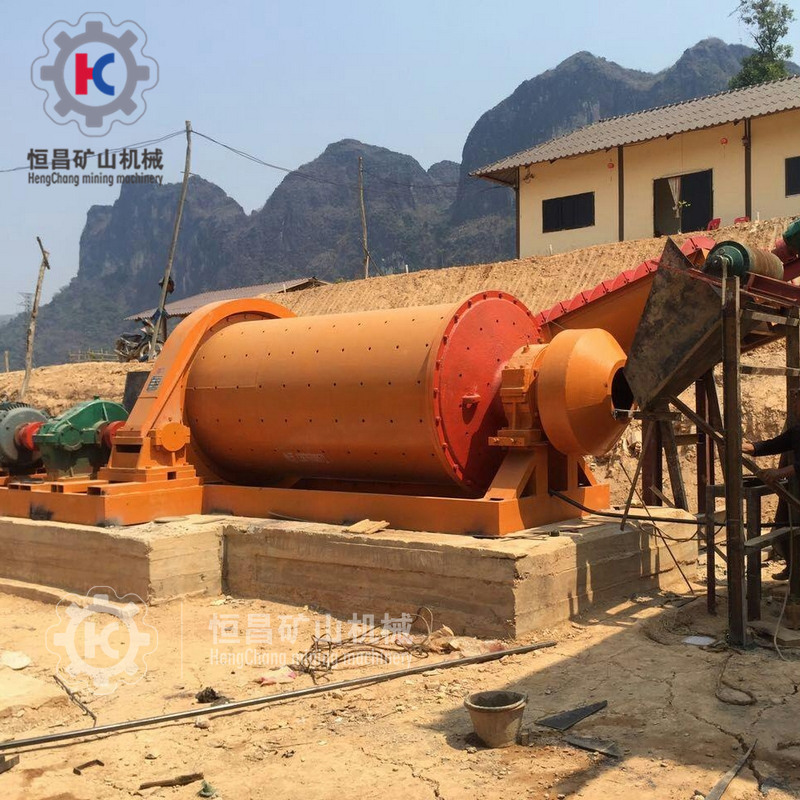
Here is a simple layout logic that works:
Crushing area near the road. Put the jaw crusher, fine jaw crusher, and screen on a concrete pad. This keeps dust away from the grinding area and makes truck feeding easy.Grinding and gravity area in the middle. Ball mill, classifier, spiral chutes, and shaking tables go under a roof or in a simple workshop. Keep the floor sloped so slurry flows by gravity.
Water tank and pump area uphill from the shaking tables. Gravity feed saves pump power.
Tailings pond downhill. Let gravity carry tailings to the pond. Use a return pump to send water back.
Concentrate pad near the workshop. Cover it to keep rain out.

Power demand for a 50 TPD chromite plant is usually 50–80 kW. If you use a generator, add 20–30% extra capacity.
Real Success Cases: Domestic and International
Small miners often ask, Does a 50 TPD plant actually work? Yes. Here are a few examples.
Zimbabwe – Masvingo Project
A small miner had a chromite deposit with about 28% Cr₂O₃. He wanted 50 TPD. The plant used a PE 250×400 jaw crusher, PEX 150×750 fine jaw crusher, 1200×2400 ball mill, spiral chute, and two 6-S shaking tables. The final concentrate reached 44% Cr₂O₃ with about 78% recovery. Water was recycled from a settling pond. Equipment was supplied by Jiangxi Hengchang Mining Machinery Equipment, and the plant was running within a few weeks.
Turkey – Fethiye Area
A family-run mine used a similar 50 TPD chromite beneficiation plant. The ore was softer, so they used a smaller ball mill and one spiral chute plus two shaking tables. Water use was a big concern in summer. They installed a small thickener and recycled 85% of water. The plant paid back in one season.
Albania – Bulqiza Region
A small chromite operation upgraded from hand sorting to a 50 TPD gravity plant. The feed was 20–25% Cr₂O₃. After crushing to 20 mm and grinding to 0.5 mm, the shaking table produced a 40% concentrate. The miner said the biggest surprise was how much value was lost in the old tailings. A simple regrind and table circuit recovered it.
China – Gansu Province
A small chromite mine in Gansu used a 50 TPD plant with jaw crusher, ball mill, and shaking table. The ore was low grade but easy to liberate. Jiangxi Hengchang provided the full line, including water pump and slurry pump. The plant ran two shifts and produced a saleable concentrate.
Philippines – Zambales
A small miner used a mobile-style 50 TPD chromite plant on a skid. The jaw crusher and ball mill were mounted on frames, and the shaking table was set on a concrete pad. This setup worked well because the deposit was small and the miner wanted to move every few years.
These cases all share three things: proper crushing size, enough grinding, and water recycling. They also share a supplier who understood small-scale chromite. Jiangxi Hengchang Mining Machinery Equipment is one of the few manufacturers that offers a complete 50 TPD chromite plant package — crusher, ball mill, shaking table, pumps, and layout advice.
Common Mistakes Small Miners Make
Buying a ball mill that is too small. If you run 8 hours, a 900×1800 will not give you 50 TPD. Go 1200×2400 or larger.Not testing the ore. Chromite grain size varies. Some ore needs grinding to 1 mm; some needs 0.2 mm. A simple test saves you thousands.
Skipping the spiral chute. It is cheap and removes waste before the shaking table. That means fewer tables and less water.
No water recycling. Fresh water costs money and can cause permit problems. A settling pond is not expensive.
Poor layout. If slurry has to be pumped uphill, you lose time and power. Let gravity do the work.
Final Words
A 50 TPD chromite ore processing plant is a practical size for small miners. It is small enough to afford, but large enough to make real money if the grade and recovery are good. The key is matching your crusher, ball mill, and shaking table to your actual shift hours and ore hardness. Water use and site layout are not afterthoughts — they decide whether your plant runs smoothly or becomes a maintenance headache.
If you want a ready-to-run configuration, talk to Jiangxi Hengchang Mining Machinery Equipment. They have supplied 50 TPD chromite plants in Zimbabwe, Turkey, Albania, the Philippines, and China. They can help you choose the right jaw crusher, ball mill, shaking table, and water recycling system for your ore. Do not guess. Get a proper flow sheet, then build a plant that pays you back.