Chinese


100 TPD Tungsten Ore Plant Cost
Let’s cut the fluff.
If you’re searching for 100 TPD tungsten ore plant cost, you’re probably planning a small-to-medium tungsten project. You want a real number. The honest answer is: no reliable supplier can give you a final price without testing your ore. But you can get a realistic budget range.
A 100 TPD plant is small enough to be manageable, but big enough that wrong equipment choices will hurt your wallet for years. Below is a practical breakdown of what drives the cost, real-world case setups, and how to avoid wasting money.
What Does 100 TPD Actually Mean?
TPD stands for tons per day. A 100 TPD tungsten ore plant processes about 100 metric tons of raw ore every 24 hours. That’s roughly 4–5 tons per hour if you run continuously, or 10–12 tons per hour if you run one shift.
Most small tungsten plants run 2 shifts or continuous operation. The design throughput affects almost every equipment size—crusher, ball mill, pumps, thickener, and so on.
The Big Cost Buckets
Here’s a rough planning table for a complete 100 TPD tungsten plant. These are not quotes. They vary by country, ore type, and site conditions.
| Cost Item | Typical Range (USD) | Notes |
|---|---|---|
| Ore test & flowsheet design | $1,500 – $15,000 | Gravity, flotation, magnetic tests |
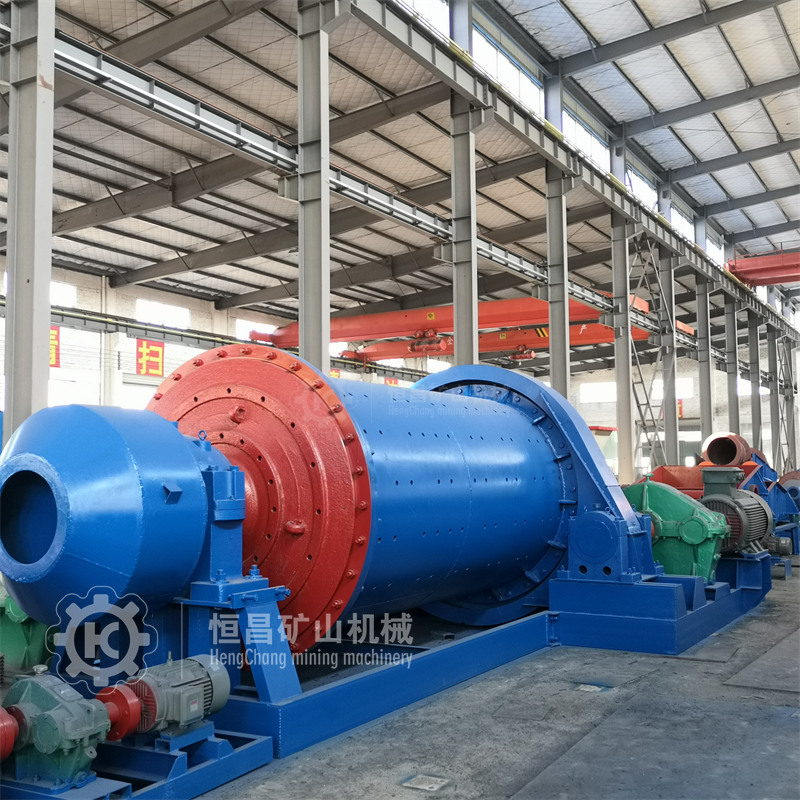
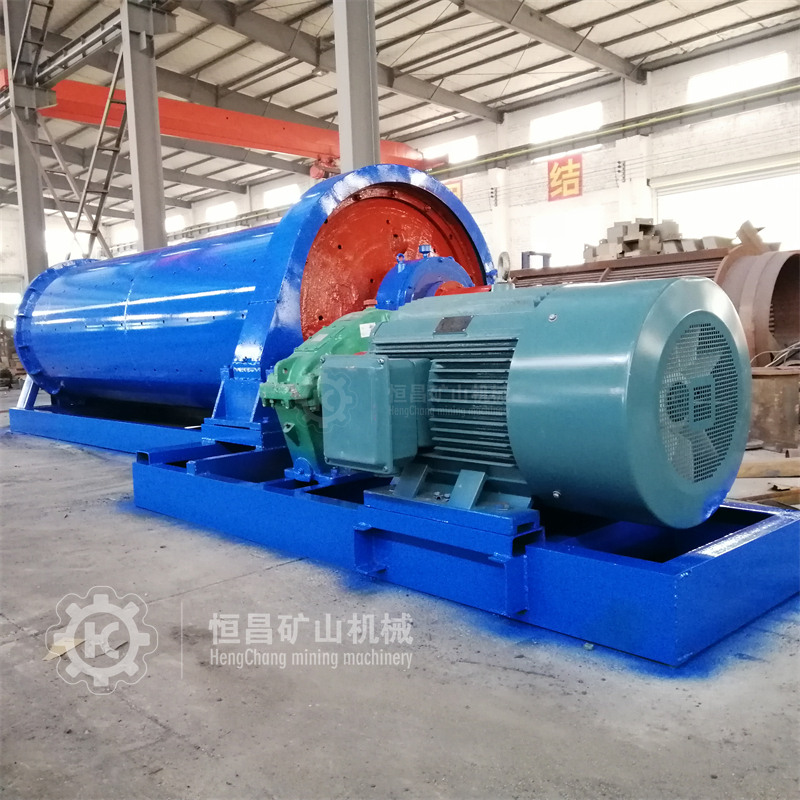
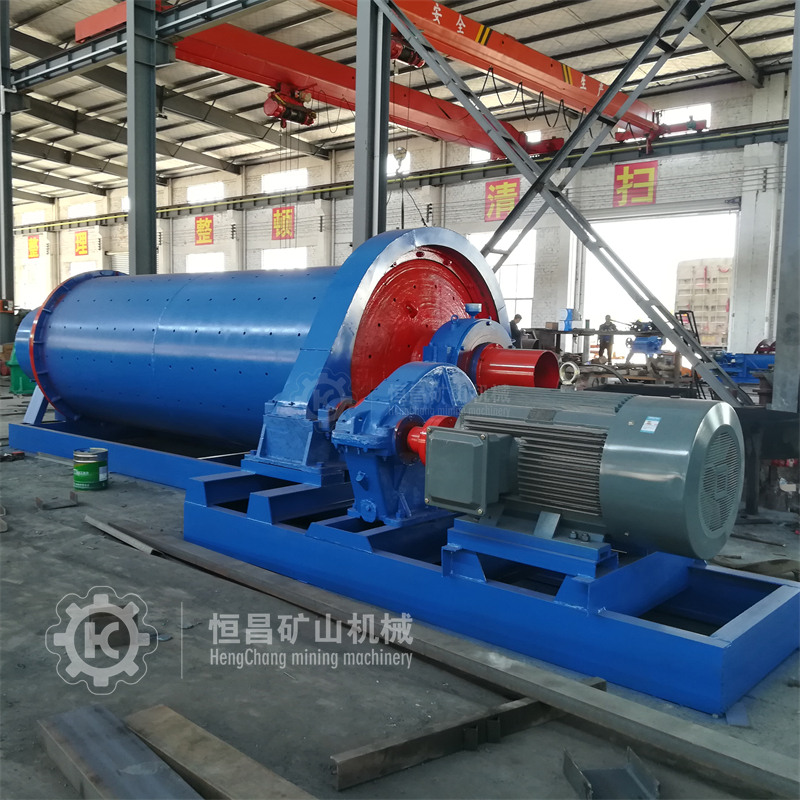
| Crushing & grinding | $40,000 – $150,000 | 30–45% of equipment cost |
| Beneficiation circuit | $30,000 – $180,000 | Jigs, tables, flotation cells |
| Dewatering & tailings | $15,000 – $60,000 | Thickener, filter press, pumps |
| Electrical & automation | $10,000 – $50,000 | Basic vs PLC control |
| Civil works & installation | $30,000 – $150,000 | Very site-dependent |
| Spares & commissioning | $10,000 – $40,000 | First fill, wear parts |
| Total turnkey estimate | $250,000 – $650,000+ | Simple gravity vs complex flotation |
For a simple wolframite gravity plant, you might land near the lower end. For a fine-grained scheelite ore that needs flotation, magnetic separation, and fine grinding, expect the higher end—or more.
Operating cost is a different story. A basic gravity plant may run at $20–$50 per ton. A flotation-heavy plant can hit $50–$100 per ton because of reagents, finer grinding, and more maintenance.
What Drives the Cost Up or Down?
1. Tungsten Mineral Type
Wolframite is usually gravity-friendly. Scheelite often needs flotation. If your ore has both, you’re looking at a combined flowsheet—and a bigger budget.
2. Liberation Size
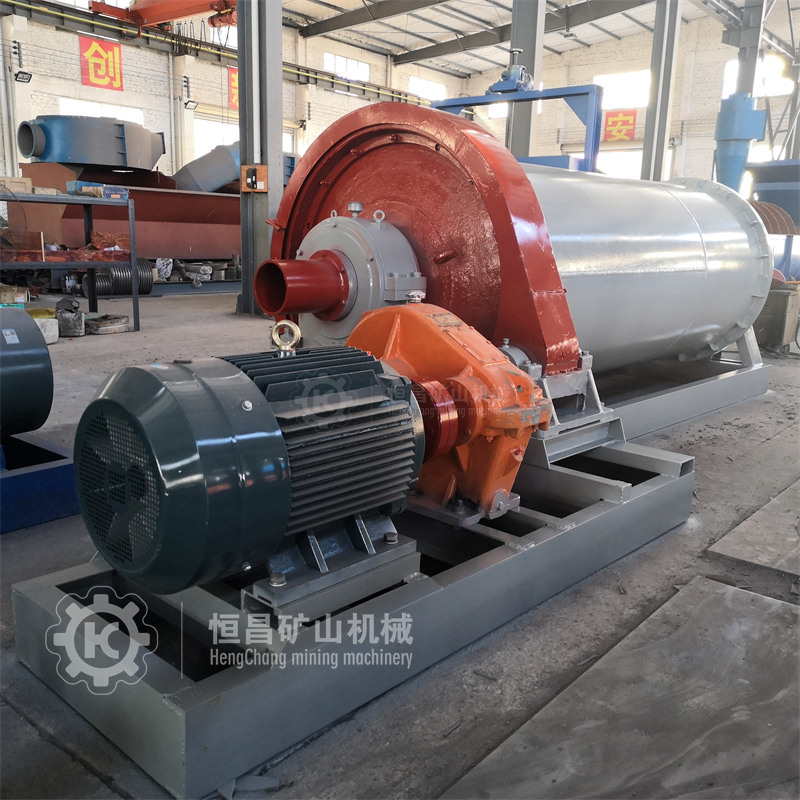
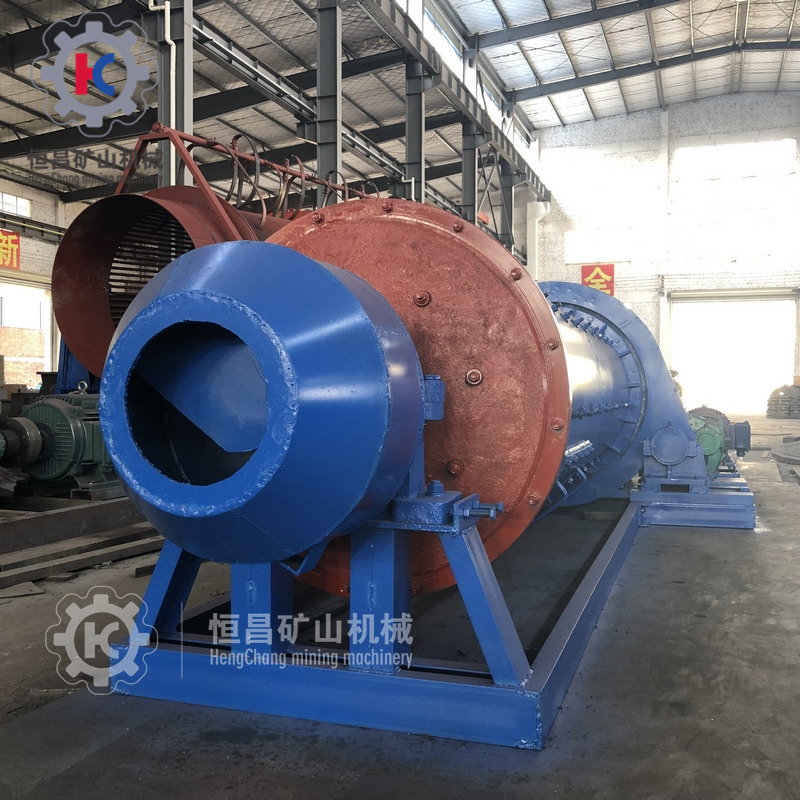
If tungsten minerals are finely disseminated, you must grind finer. That means bigger ball mills, more energy, and higher wear cost. Over-grinding is one of the most common ways to burn money in a tungsten plant.
3. Associated Minerals
Tin, molybdenum, sulfide, arsenic, and clay all change the game. Tin-tungsten ore often needs gravity + flotation + magnetic separation. High clay needs washing and scrubbing before crushing.
4. Site Conditions
Power supply, water source, road access, labor cost, import taxes, and weather all move the final number. A plant in remote Africa or South America can cost 20–40% more than the same plant in Jiangxi, China.
5. Equipment Quality
Cheap equipment saves you 10% upfront and costs you 30% in downtime. For tungsten, wear parts like jaw plates, ball mill liners, and shaking table decks take a beating. Buy from a manufacturer who stocks parts and can send an engineer when needed.
Typical 100 TPD Tungsten Plant Flowsheet
For wolframite ore, a common 100 TPD setup looks like this:
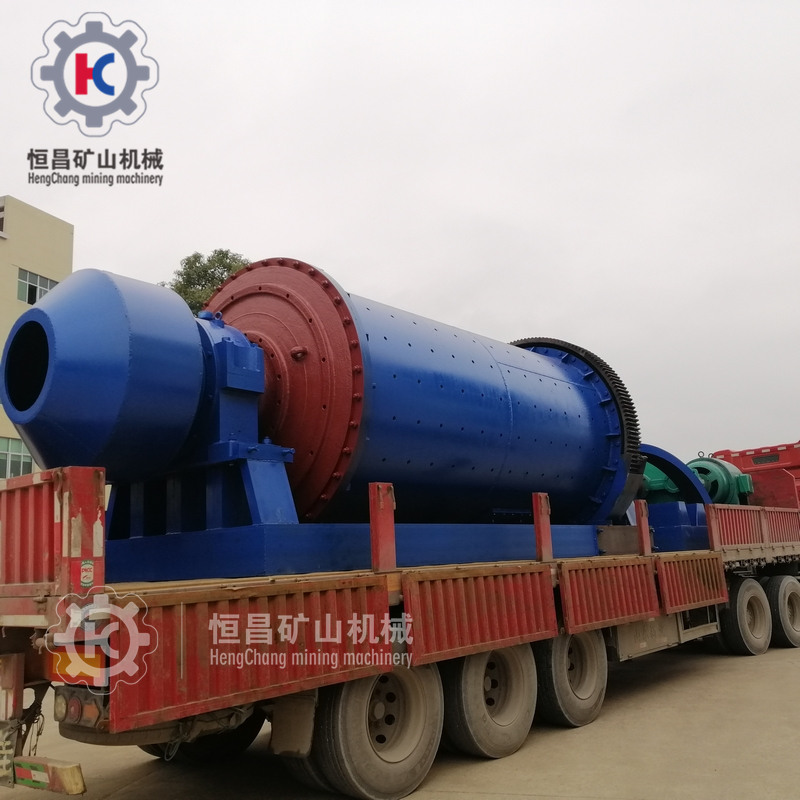
Hopper → Jaw crusher → Cone crusher → Vibrating screen → Ball mill → Spiral classifier → Jig → Shaking table → Middling regrind → Concentrate dewatering → Tailings.
For scheelite ore, the flowsheet shifts:
Crushing → Grinding → Flotation roughing → Scavenging → Cleaning → Magnetic separation (if needed) → Dewatering.
You don’t need every piece of equipment. You need the right pieces for your ore.
Domestic Success Case: Jiangxi Wolframite Gravity Plant
In southern Jiangxi—China’s tungsten heartland—many small plants run around 100 TPD. Take a typical wolframite project with feed grade around 0.3% WO₃ and relatively coarse liberation.
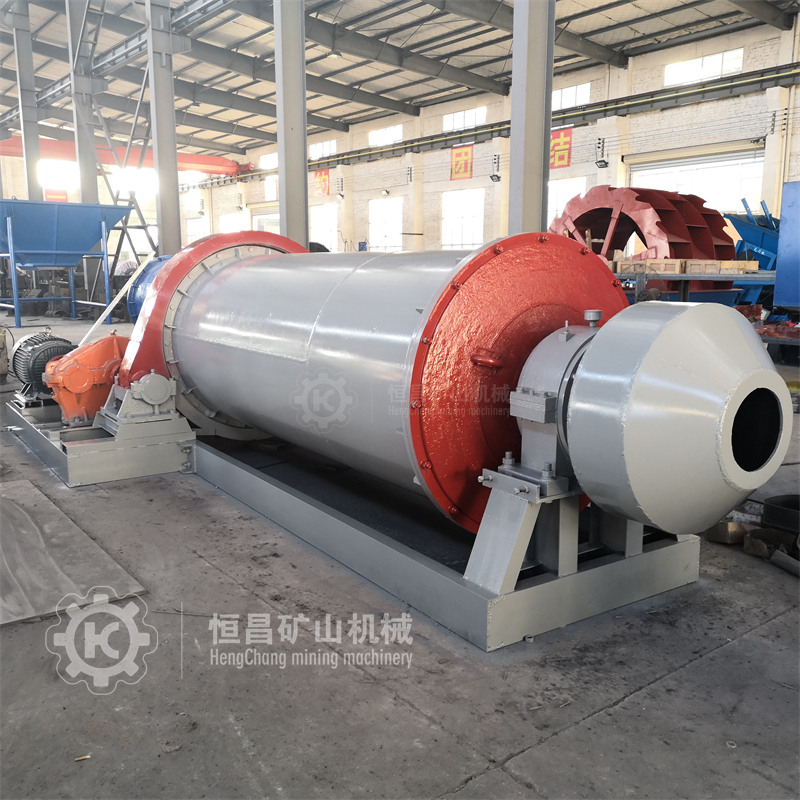
The plant uses two-stage crushing, one ball mill, jig, and shaking table. Equipment package from Jiangxi Hengchang Mining Machinery included jaw crusher, cone crusher, ball mill, spiral classifier, jig, and shaking table.
Reported recovery: 78–85%. Concentrate grade: around 65% WO₃. Equipment cost: roughly $120,000–$180,000. Total turnkey with civil and installation: around $300,000–$450,000.
Why it works: simple flowsheet, low reagent use, low power cost, and local spare parts. This is the classic “keep it simple” tungsten plant.
International Case: Bolivia Tungsten-Tin Project
A 100 TPD tungsten-tin project in Bolivia faced a tougher ore. Wolframite and cassiterite were finely disseminated. A plain gravity circuit would lose too much fine tungsten and tin.
The adopted flowsheet: crushing, grinding, gravity concentration (jig + shaking table), flotation for sulfides, and magnetic separation for tin-tungsten separation.
Equipment cost: $250,000–$400,000. Total plant cost: $600,000–$900,000. Recovery: 70–80% combined. The lesson? When tin and tungsten are together, you need separate circuits. Trying to cut corners here usually ends with poor concentrate grades and angry buyers.
International Case: Rwanda Tungsten Project
In Rwanda, an 80–100 TPD tungsten project used a gravity-first approach. The ore was relatively coarse, so a jaw crusher, ball mill, jig, and shaking table did most of the work.
Because the site was remote, the operator chose modular equipment that could be shipped in containers and assembled on site. Equipment cost: around $150,000–$220,000. Total installed cost: $350,000–$500,000. Recovery: 75–82%.
The key win was pre-shipment testing. The supplier ran gravity tests on a 200 kg sample before building the plant. That small testing fee saved them from ordering the wrong jig and table configuration.
How to Keep Your 100 TPD Tungsten Plant Cost Under Control
1. Test your ore first.
Never buy a plant based on a similar mine down the road. Tungsten ore varies wildly. Spend $2,000–$10,000 on proper testing. It’s the cheapest insurance you’ll ever buy.
2. Match equipment to liberation size.
If your tungsten is coarse, don’t grind it to powder. If it’s fine, don’t rely on jigs alone. The flowsheet should follow the ore, not a sales brochure.
3. Phase your investment.
Start with the core crushing, grinding, and gravity circuit. Add flotation or magnetic separation later if testing shows you need it. This keeps initial capex lower and lets you learn the ore.
4. Focus on recovery, not just capex.
A plant that costs $50,000 less but loses 10% of tungsten every day is not cheap. Calculate cost per ton of concentrate, not just purchase price.
5. Buy core equipment from a specialist.
Crushing and grinding are the heart of the plant. If they fail, everything stops. For tungsten, choose a manufacturer with real experience in gravity and flotation circuits.
Why Jiangxi Hengchang Mining Machinery Is Worth a Look
If you want a 100 TPD tungsten plant that actually runs, Jiangxi Hengchang Mining Machinery is a name to shortlist. Based in Jiangxi, China—the center of the country’s tungsten industry—they build complete crushing, grinding, gravity, and flotation lines.
What makes them practical for small tungsten projects:
They run ore tests and design the flowsheet before quoting equipment.They supply jaw crushers, ball mills, jigs, shaking tables, flotation cells, and dewatering equipment as one package.
They understand wolframite and scheelite circuits, not just generic mining gear.
They offer installation guidance and spare parts support.
They’re not the cheapest option on the market. But for a 100 TPD plant, downtime is the real cost killer. A supplier who knows tungsten is usually cheaper in the long run.
Final Word: What Should You Budget?
For a simple 100 TPD wolframite gravity plant, budget $250,000–$450,000 turnkey. For a complex scheelite or tungsten-tin plant, budget $500,000–$900,000+.
The biggest mistake you can make is ordering equipment before testing your ore. Get a representative sample, run gravity and flotation tests, then design the plant around the results.
If you’re serious about a 100 TPD tungsten ore plant, start with a real ore test and a real flowsheet. That’s how you turn a scary price tag into a profitable operation.