Chinese


Cut 100 TPD Chromite Plant Costs
If you run a 100 TPD chromite plant, you already know the math is tight. A 100 TPD plant is small, but it still eats money every day: power, water, wear parts, labor, downtime, and those little surprises that show up after commissioning. The worst thing you can do is copy a 500 TPD design and shrink it down. That usually leads to oversized equipment, high power bills, and poor recovery.
The better approach? Design around your ore, keep the flowsheet simple, and spend money only where it pays you back. That is where a supplier like Jiangxi Hengchang Mining Machinery Equipment can help. They focus on practical mineral processing equipment and flowsheets for small and mid-size plants, including chromite.
Below are the real cost-cutting moves for a 100 TPD chromite plant, plus domestic and international examples.
Start With Ore Testing, Not Guesswork
Chromite is heavy. In many cases, gravity separation works very well. But not always. Some ores have fine dissemination. Some have high iron. Some have clay that needs washing first.
Before you buy a single pump, test your ore.
You need to know:
Cr2O3 grade and iron contentSilica and gangue minerals
Liberation size
How much clay or slime is in the feed
Whether gravity, magnetic, or a combo works best
A simple lab test can save you from buying a ball mill you do not need. It can also stop you from buying a spiral chute that cannot handle your fine fraction.
Jiangxi Hengchang Mining Machinery Equipment can run lab and pilot tests for chromite. That is not a small thing. A proper test gives you a flowsheet that matches your ore, not a generic catalog design.
100 TPD Is About 4–5 TPH. Size It Right.
Let’s get the numbers straight.
100 TPD over 24 hours is about 4.2 tonnes per hour. If you run two shifts, it is roughly 6–7 TPH. If you run one shift, it is closer to 12–13 TPH.
Many buyers still order a 10–20 TPH crusher or mill “just in case.” That is a cost trap.
Oversized equipment means:
Higher CAPEXHigher power draw
More spare parts
Bigger foundation
More civil work
More maintenance
For a 100 TPD chromite plant, a right-sized package might look like this:
Jaw crusher for primary crushingCone crusher or fine jaw crusher for secondary crushing
Trommel scrubber or log washer if the ore is clayey
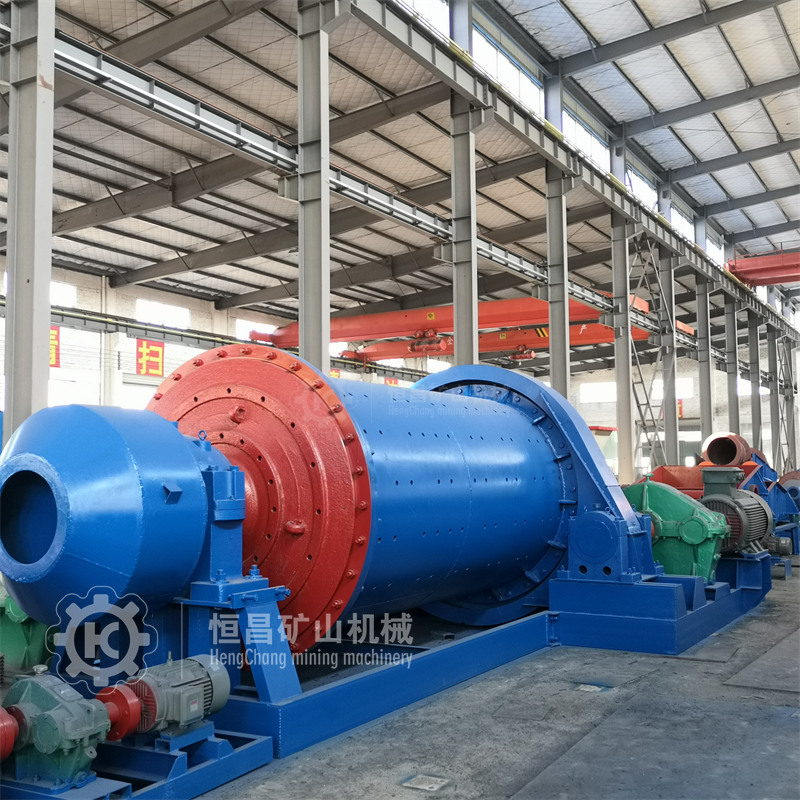
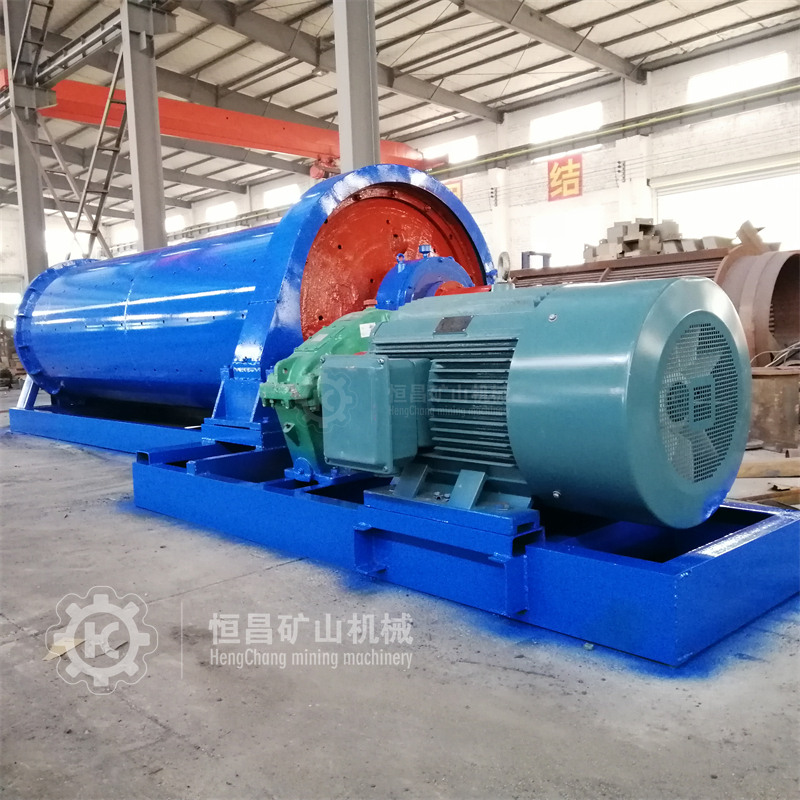
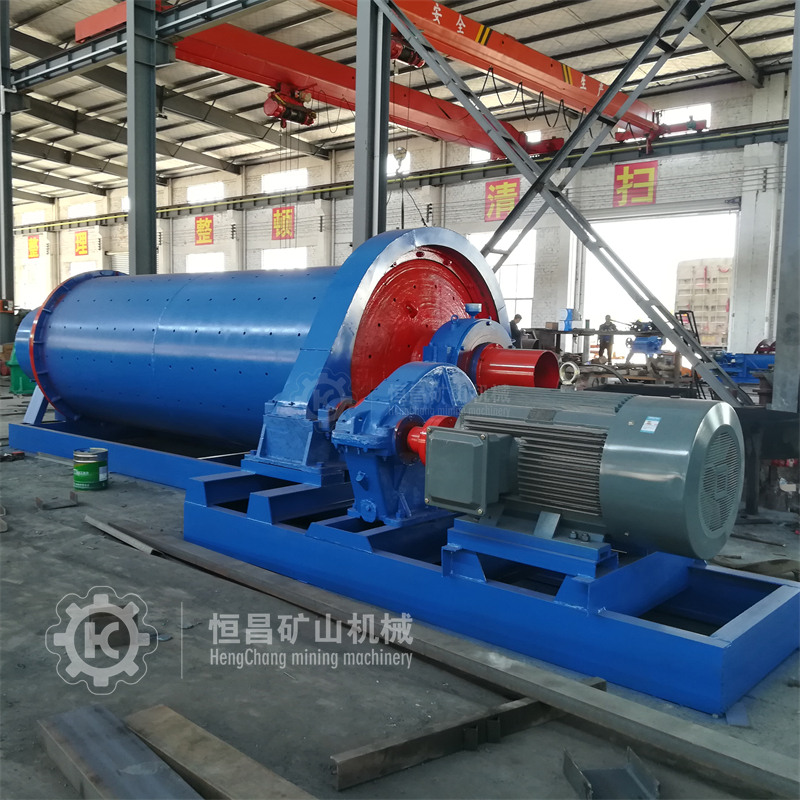
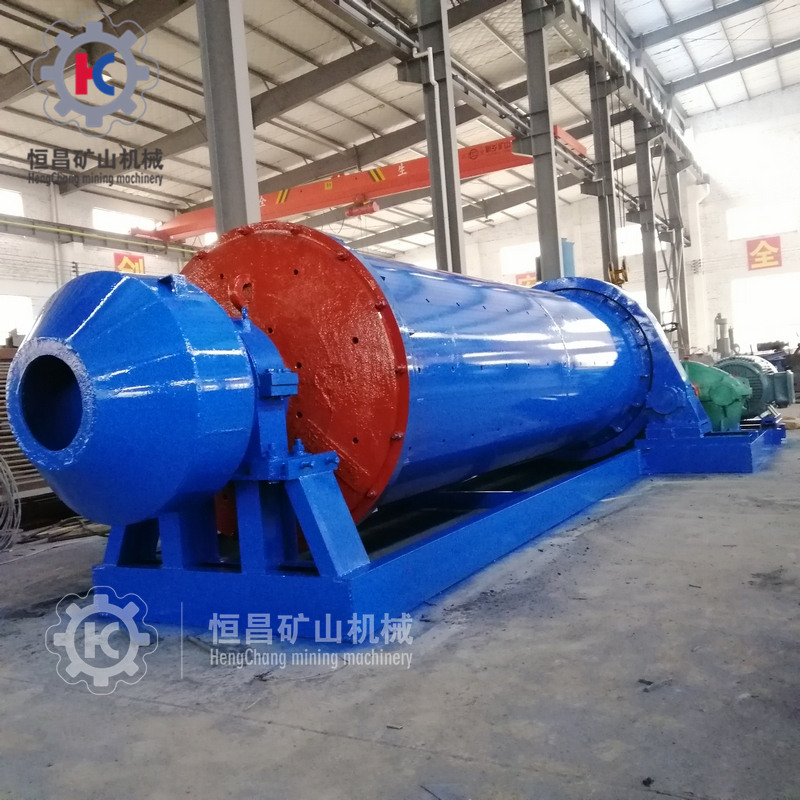
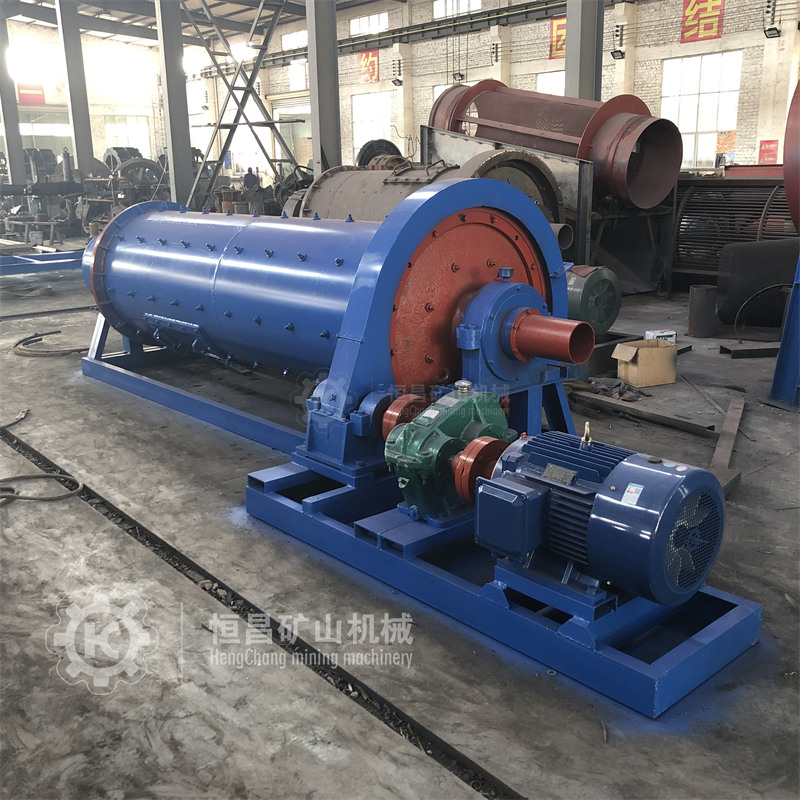
Rod mill or ball mill only if grinding is needed
Jig for coarse chromite
Spiral chute for fine chromite
Shaking table for cleaning and final concentrate
Slurry pumps, water pumps, and a small thickener
Hengchang can supply this kind of modular package. The key is not buying the biggest machine. It is buying the right machine.
The Flowsheet That Cuts Costs
For most 100 TPD chromite plants, gravity is the cheapest path. It uses no reagents, has low operating cost, and is easy to run.
A practical gravity flowsheet often looks like this:
Crushing – jaw crusher, then cone or fine jaw crusher. Aim for a small feed size.Screening – remove fines and control top size.
Washing – if the ore has clay, a trommel scrubber helps liberate chromite.
Gravity separation – jig for coarse, spiral for fines, shaking table for cleanup.
Magnetic separation – only if iron removal is needed.
Water recycling – thickener and return water system.
Avoid flotation unless your ore truly needs it. Flotation adds reagents, tailings treatment, permits, and more skilled operators. For many 100 TPD chromite projects, that is overkill.
Big Cost Levers Most Operators Miss
1. Do Not Over-Grind
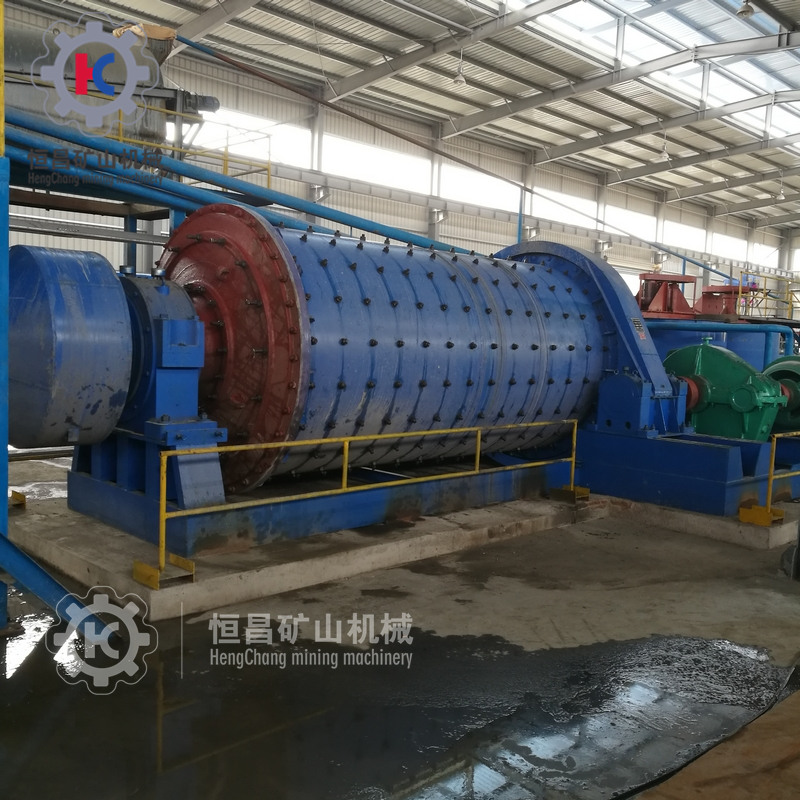
Grinding is the biggest power hog in a small plant. If your chromite liberates at 2 mm, do not grind to 0.2 mm. Gravity equipment can handle coarse and medium sizes. Every extra grinding stage costs power and creates slimes that are harder to recover.
2. Recycle Water
A 100 TPD plant can use a lot of water if you let it. A small thickener and settling pond can recycle 70–80% of process water. That cuts fresh water pumping, reduces reagent use, and lowers discharge risk.
3. Use VFDs on Pumps and Mills
Variable frequency drives are not free, but they pay back. They let you match output to feed rate. You avoid running pumps flat out when the plant is half loaded.
4. Build Modular, Not Monumental
Steel structure and modular frames cost less than heavy concrete. They also install faster. For a 100 TPD plant, speed matters. Every week of delay is money lost.
5. Choose Wear Parts Wisely
Use polyurethane liners in chutes and pipes. Use ceramic where abrasion is brutal. But do not over-spec every part. Work with a supplier who knows chromite abrasion and can recommend practical wear life.
6. Train Your Operators
A lot of downtime comes from bad operation, not bad equipment. Operators need to know how to adjust water flow, feed rate, and table angle. Jiangxi Hengchang Mining Machinery Equipment usually includes commissioning and training support with its equipment packages. That saves more money than a discount on one pump.
Domestic and International Success Cases
China, Gansu – 100 TPD Hard Rock Chromite Plant
A small hard rock chromite operation in Gansu used a gravity-only flowsheet. The ore was coarse enough to liberate early. The plant ran a jaw crusher, a fine jaw crusher, a small ball mill, spiral chutes, and shaking tables.
By avoiding flotation and keeping grinding coarse, the operator cut power cost per ton and reduced reagent cost to zero. Hengchang supplied the crushers, spiral chutes, shaking tables, and slurry pumps. The plant reached stable recovery without a complicated circuit.
Zimbabwe – 100 TPD Clayey Chromite Plant
In Zimbabwe, a 100 TPD chromite project had clay-rich feed. The original plan included a ball mill, but testing showed washing would free the chromite. The final flowsheet used a trommel scrubber, jig, spiral chute, and shaking table.
Water recycling was added with a small thickener. Fresh water use dropped, and the plant ran with fewer slimes problems. The operator reported lower OPEX and better feed handling. Hengchang equipment was used for the scrubber, jig, spirals, and pumps.
Albania – 100 TPD Fine Chromite Plant
An Albanian chromite plant had finer dissemination. Gravity alone was not enough for the target grade. The flowsheet used centrifugal concentrators, shaking tables, and a magnetic separator for iron removal.
The result was a cleaner concentrate and less recirculating load. The plant still kept flotation out of the circuit, which kept costs down. Hengchang helped with equipment selection and layout for the gravity and magnetic sections.
Turkey – 100 TPD Chromite Plant With Local Spares
A Turkish operator wanted low downtime. The plant used a jig and spiral circuit with Hengchang equipment. Because the wear parts were standardized, the operator kept a small stock of liners, screens, and pump parts on site.
That simple decision cut shutdown time. Instead of waiting for imported parts, the plant could change wear items during a normal shift.
South Africa – 100 TPD Tailings Reprocessing
A South African tailings project treated old chromite tailings at about 100 TPD. The feed was already fine, so crushing and grinding were not needed. The plant used spiral chutes and shaking tables to recover leftover chromite.
This is a good example of matching the flowsheet to the material. If the ore is already fine, do not build a crushing and grinding circuit. Save the CAPEX.
Application Scenarios for a 100 TPD Chromite Plant
Small underground mine – compact jaw and cone crusher, then gravity separation.Alluvial or eluvial deposit – trommel scrubber, jig, spiral, shaking table.
Tailings reprocessing – spiral and table only, no grinding.
Mobile or container plant – quick to move, low civil work.
Remote site – simple flowsheet, easy maintenance, local spares.
In all these cases, the goal is the same: keep the circuit as simple as the ore allows.
How to Buy Without Blowing the Budget
When you request quotes, do not just compare price tags. Compare total cost of ownership.
Ask for:
A flowsheet with mass balancePower draw per ton
Water balance
Wear part list and prices
Installation time
Training and commissioning support
Spare parts availability
A cheap pump that fails every month is not cheap. A slightly more expensive spiral that recovers more chromite pays you back quickly.
Jiangxi Hengchang Mining Machinery Equipment is worth talking to because they build complete small and mid-size processing plants. They can test your ore, design the flowsheet, supply the equipment, and support installation. For a 100 TPD chromite plant, that kind of single-source help reduces finger-pointing and keeps the project moving.
Common Mistakes That Add Cost
Skipping ore testingBuying oversized equipment
Over-grinding the feed
Using flotation when gravity works
No water recycling
No operator training
No local spare parts plan
Copying a large plant design and shrinking it
Final Takeaway
Cutting costs on a 100 TPD chromite plant is not about buying the cheapest equipment. It is about buying the right equipment for your ore.
Test first. Size correctly. Use gravity where it works. Recycle water. Control grinding. Train your team. Keep spares on hand.
If you do those things, you can lower both CAPEX and OPEX without sacrificing recovery. And if you want a practical partner for chromite processing equipment and flowsheet design, look at Jiangxi Hengchang Mining Machinery Equipment. They understand small plants, and they can help you build one that runs lean.