Chinese


200 TPD Copper Ore Plant Payback
If you’re looking at a 200 TPD copper ore plant, the question that keeps you up at night is simple: how fast can I get my money back?
The honest answer? It depends. A 200 TPD copper processing plant can pay back in 12–24 months in a good scenario, stretch to 3–4 years in a tough one, or even hit under 12 months if your ore grade is high and your costs are under control. There’s no magic number. But there is a clear way to calculate it, and there are real-world examples that show what’s possible.
Let’s break it down without the fluff.
What Does 200 TPD Really Mean?
200 TPD means 200 tonnes per day. If you run 24 hours, that’s about 8.3 tonnes per hour. If you run 20 hours, it’s 10 tonnes per hour. This is a small-to-medium copper ore beneficiation plant. It’s often modular, easier to permit, and cheaper to build than a 1,000 TPD monster.
But “200 TPD” alone tells you nothing about payback. A 200 TPD plant processing 2% copper ore is a different business than one processing 0.5% ore. Same tonnage, very different ROI.
The Payback Math That Actually Matters
Here’s the basic formula:
Payback (months) = Total CAPEX ÷ Monthly Net Cash Flow
And monthly net cash flow looks like this:
Net Cash Flow = (Copper Produced × Copper Price × Payable Factor) − OPEX − TC/RC − Transport − Admin
For a 200 TPD copper flotation plant, here’s a quick example:
Feed grade: 1.2% CuRecovery: 88%
Copper produced per day: 200 × 1.2% × 88% = 2.11 tonnes
Copper price: $9,000/tonne
Gross daily revenue: 2.11 × $9,000 = $18,990
All-in OPEX (mining, processing, admin): $70/tonne × 200 = $14,000
Daily net before tax: about $4,990
CAPEX for a complete 200 TPD plant: let’s say $1.2M
Simple payback: $1,200,000 ÷ $4,990 ≈ 240 days ≈ 8 months
That looks great. But real life adds smelting charges, concentrate transport, lab costs, spare parts, and downtime. So a more realistic payback for that same project might be 12–18 months.
If your grade drops to 0.6% Cu, the same plant may struggle to break even. If your grade jumps to 2.0% Cu, payback can drop to 6–10 months. Grade is the biggest lever you have.
What Drives Your 200 TPD Copper Plant Payback?
1. Head Grade
This is king. At 200 TPD, every 0.1% copper in the feed is worth real money. A 1.0% grade vs. 1.5% grade can change payback by a year or more.
2. Recovery Rate
A good copper flotation plant can hit 85–92% recovery on sulfide ore. Poor grinding, wrong reagents, or bad flotation cell design can drop that to 70%. That’s money lost every single day.
3. Copper Price
You can’t control it. At $8,500/tonne, a 200 TPD plant is profitable. At $6,500/tonne, many small plants shut down. Plan for price swings.
4. CAPEX
A 200 TPD copper ore processing plant can cost anywhere from $500,000 to $2.5M depending on scope. If you already have mining equipment, roads, and power, you’ll spend less. If you’re building in a remote area, you’ll spend more.
5. OPEX
Processing cost for a 200 TPD plant usually runs $25–50 per tonne. Add mining, and you’re at $50–90 per tonne. Energy, reagents, labor, and wear parts are your biggest ongoing costs.
6. Uptime
A plant that runs 90% of the time makes more money than one that runs 60%. Simple, but many small operations ignore it. Good equipment and local spare parts support matter.
Domestic Success Case: Jiangxi, China
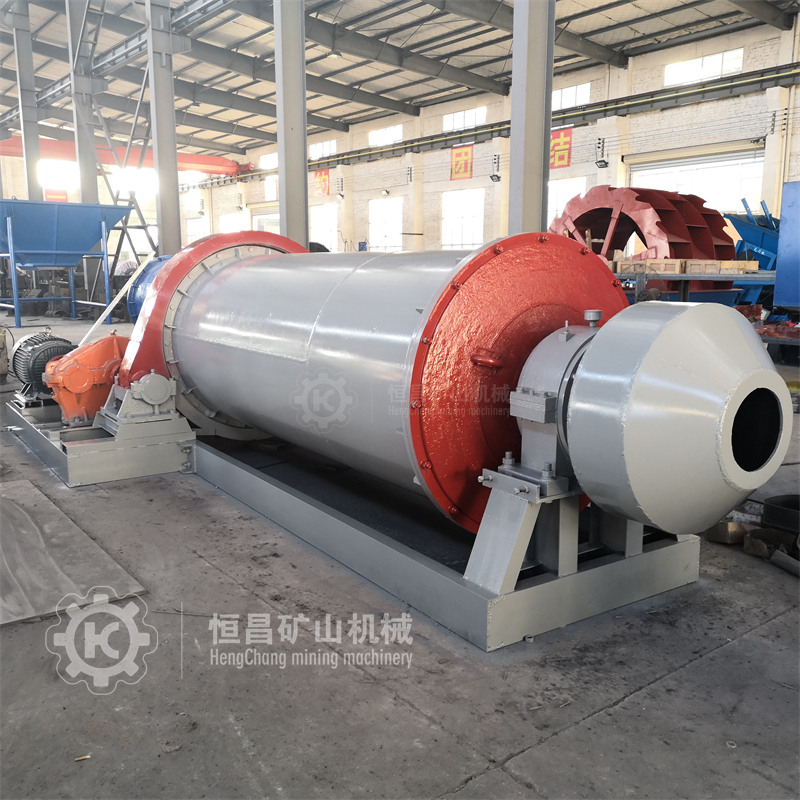
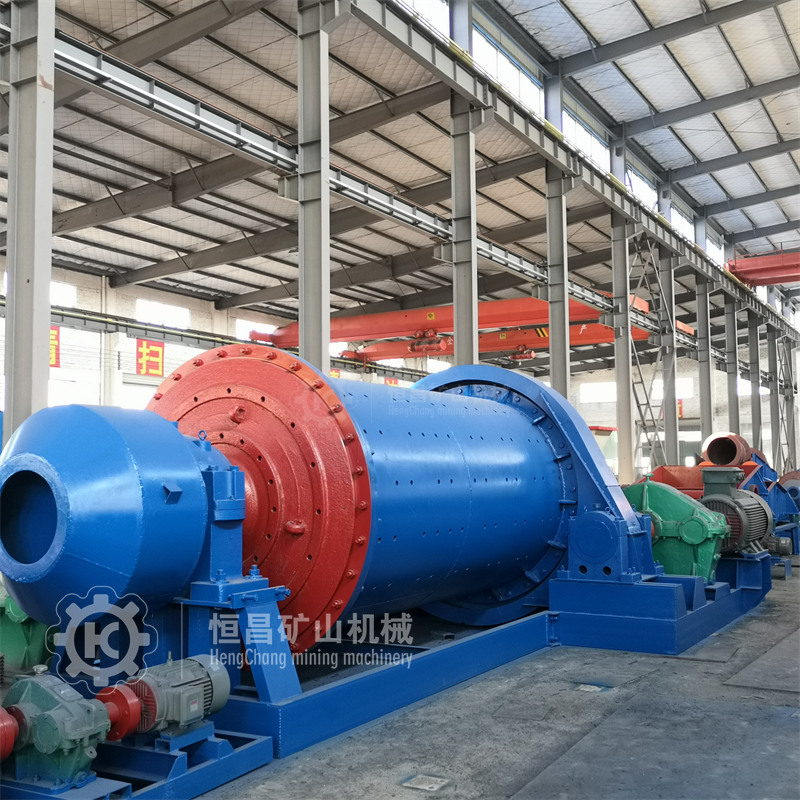
In Jiangxi Province, a 200 TPD copper sulfide plant was built to process underground ore. The feed grade averaged 1.2% Cu. The flowsheet was classic: jaw crusher → cone crusher → ball mill → spiral classifier → copper flotation.
The owner chose Jiangxi Hengchang Mining Machinery Equipment for the crushing, grinding, and flotation circuit. After commissioning, the plant reached 90% copper recovery with a concentrate grade of 22% Cu. Operating cost was around $45 per tonne. With a total CAPEX near $1.1M, the simple payback landed at about 16 months.
The key? Consistent grinding size and stable flotation. No fancy tricks. Just good equipment and proper operation.
International Success Case: Zambia
Zambia’s Copperbelt is full of small copper projects. One 200 TPD copper oxide plant near Ndola had a problem: oxide ore doesn’t respond well to standard flotation. The solution was acid leaching followed by electrowinning, but that’s expensive for 200 TPD.
Instead, the operator used sulfidization flotation. The feed grade was 1.8% Cu. With Hengchang’s ball mill, agitation tanks, and flotation cells, they achieved 85% recovery and a 20% Cu concentrate. The plant paid back in just under 14 months, thanks to high grade and low transport costs to a nearby smelter.
This case proves a simple point: for a 200 TPD copper ore plant, payback isn’t about size. It’s about matching the flowsheet to the ore.
Another Case: Peru
In Peru, a small underground mine ran a 200 TPD copper flotation plant with 2.1% Cu feed. Recovery hit 92%. CAPEX was $1.4M because of remote location and power infrastructure. But with copper at $9,200/tonne, the plant paid back in 9 months. The owner later expanded to 400 TPD using the same equipment supplier.
That’s the power of high-grade ore. But not everyone is that lucky.
What Equipment Does a 200 TPD Copper Plant Need?
A typical 200 TPD copper ore beneficiation plant includes:
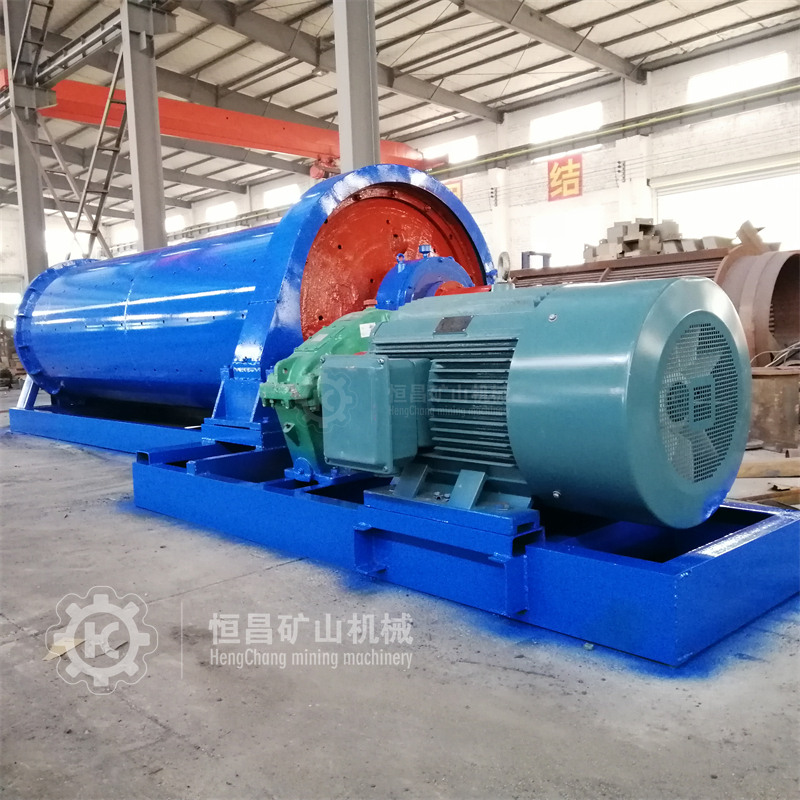
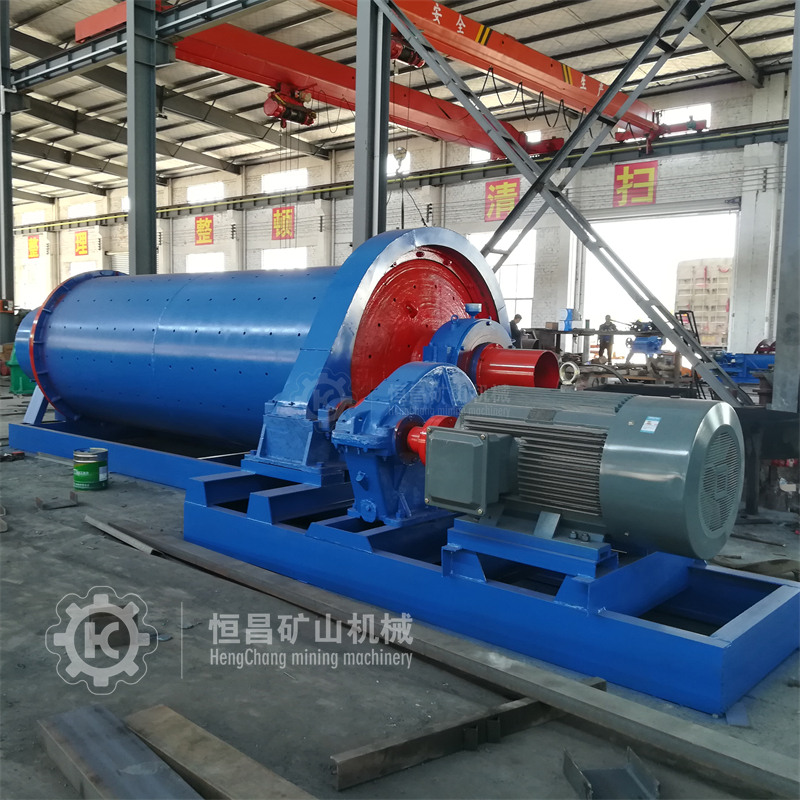
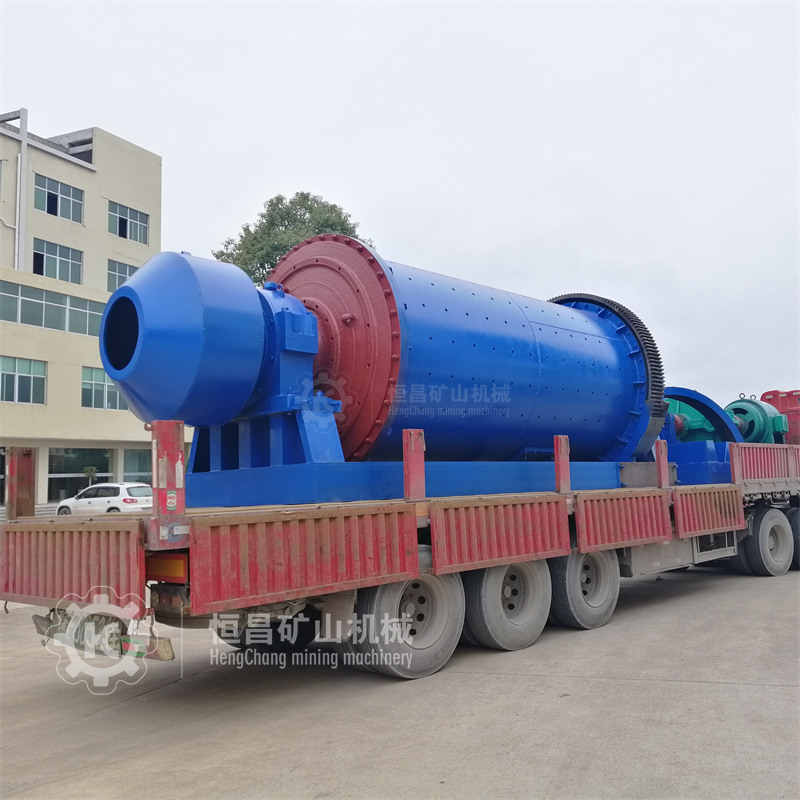
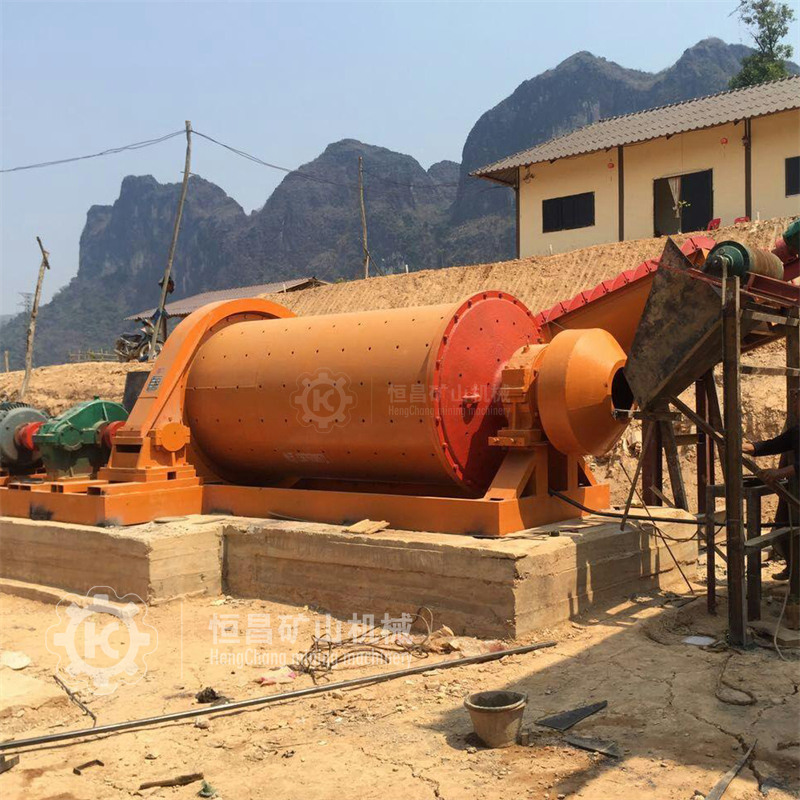
Crushing: jaw crusher + cone crusherGrinding: ball mill + spiral classifier or hydrocyclone
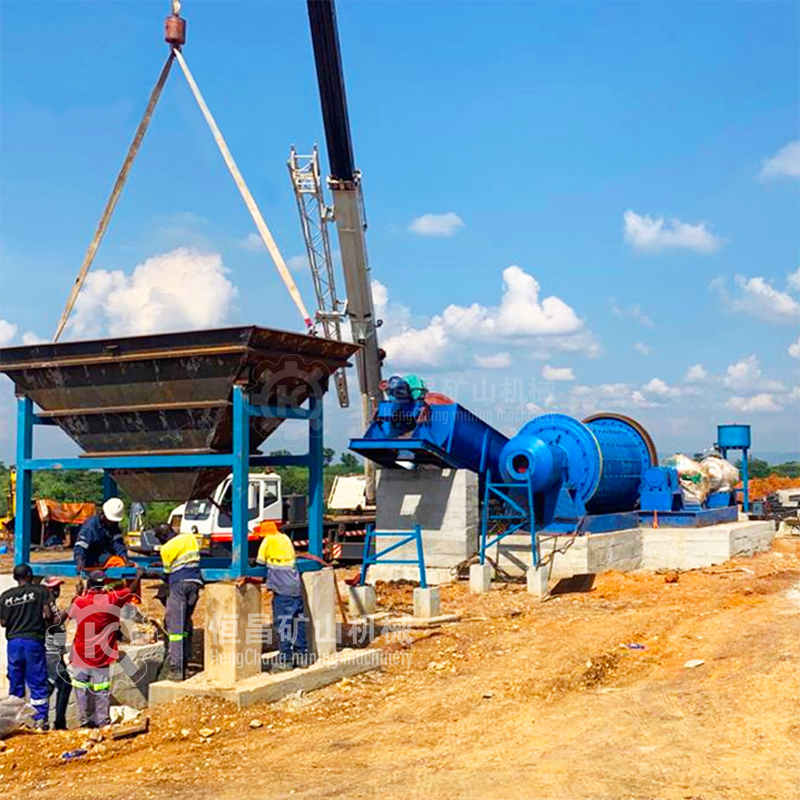
Flotation: roughing, scavenging, cleaning cells
Thickening: high-efficiency thickener
Filtration: filter press or vacuum filter
Tailings: pump and tailings dam
Auxiliary: feeders, conveyors, pumps, reagent dosing
For oxide ore, you may need leaching tanks, agitators, and a SX-EW circuit or cementation setup.
This is where Jiangxi Hengchang Mining Machinery Equipment comes in. They don’t just sell one machine. They design the whole 200 TPD copper processing plant, test your ore in their lab, and supply the full flowsheet. That matters because a mismatched piece of equipment can kill your recovery and your payback.
How to Shorten Your 200 TPD Copper Plant Payback
Test your ore first. Never build a plant based on assumptions. A simple flotation test can save you hundreds of thousands.Don’t over-buy. A 200 TPD plant doesn’t need a 500 TPD mill. Match equipment to actual tonnage.
Focus on grinding. If you don’t liberate the copper, no flotation cell will save you.
Keep spares local. Downtime is the silent payback killer.
Choose a supplier who supports you. Installation, training, and after-sales service matter more than a low price.
Plan for variable ore. Your grade will change. Your plant should handle it.
Final Takeaway
A 200 TPD copper ore plant payback can be as short as 9 months or as long as 4 years. The difference comes down to grade, recovery, costs, and uptime. If you have 1.0–2.0% copper, a well-designed 200 TPD copper processing plant can realistically pay back in 12–24 months.
Don’t chase the cheapest equipment. Chase the best recovery and the lowest downtime. That’s what actually pays you back.
If you’re serious about your project, talk to a supplier who has built these plants before. Jiangxi Hengchang Mining Machinery Equipment has done 200 TPD copper projects in China, Africa, South America, and Southeast Asia. They can help you with ore testing, flowsheet design, equipment, and commissioning.
Your payback starts with the right plan. Get the plan right, and the numbers take care of themselves.