Chinese


JXSC Ghana Gold CIP Plant Equipment: Price, Capacity & Case Study Analysis
Introduction to CIP Plants and Why They Matter
When it comes to gold mining, the Carbon-in-Pulp (CIP) process is a game-changer. It's a method that has revolutionized the way we extract gold from ore, making it more efficient and cost-effective. If you're in the mining industry, especially in Africa, understanding CIP plants and their equipment is crucial. In this article, we'll dive into the world of CIP plants, with a focus on the high-quality equipment provided by [江西恒昌矿山机械设备] (JXSC Mining Machinery). We'll cover everything from the basics to real-world case studies, so you can make informed decisions for your next project.
What is a CIP Plant?
The Basics of CIP
A CIP plant is a type of processing facility used in the gold mining industry. It stands for Carbon-in-Pulp, which means that activated carbon is used to adsorb gold from the pulp. This process is highly effective and is widely used in gold recovery operations around the world.
How Does a CIP Plant Work?
The CIP process involves several steps:
Leaching: The gold-bearing ore is first crushed and ground into a fine powder. This powder is then mixed with a leaching solution, typically a cyanide solution, which dissolves the gold.Adsorption: Activated carbon is added to the slurry, where it adsorbs the dissolved gold.
Elution: The gold-loaded carbon is then separated from the slurry and treated with a hot caustic solution to desorb the gold.
Electrowinning: The gold is then recovered from the solution using electrowinning, and the carbon is regenerated for reuse.
JXSC CIP Plant Equipment: Features and Benefits
High-Quality and Reliable
[江西恒昌矿山机械设备] (JXSC Mining Machinery) is known for its high-quality and reliable CIP plant equipment. Their machines are designed to handle the toughest conditions and provide consistent performance, ensuring maximum gold recovery.
Key Components
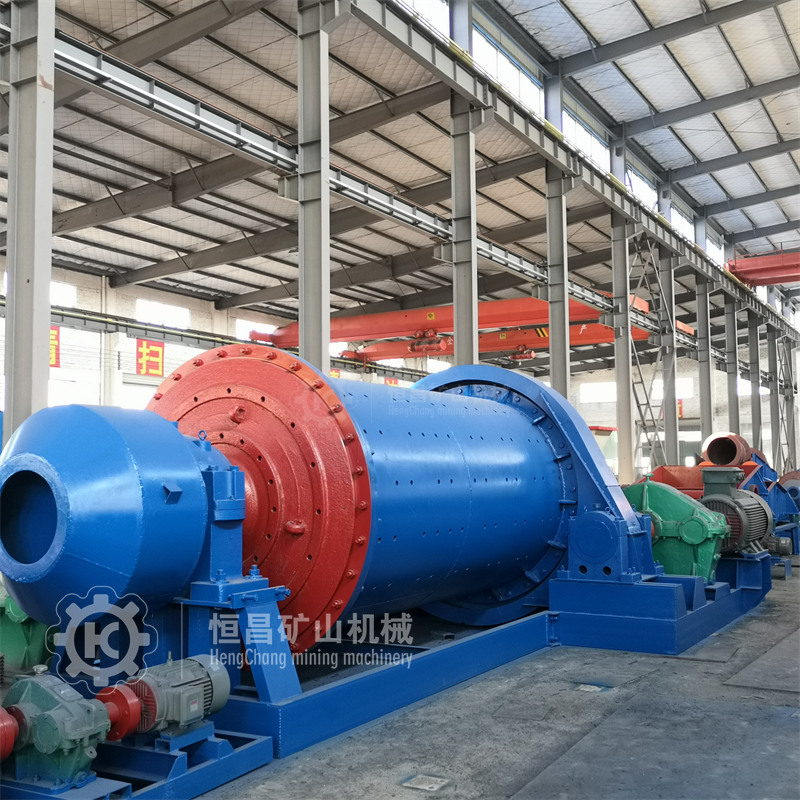
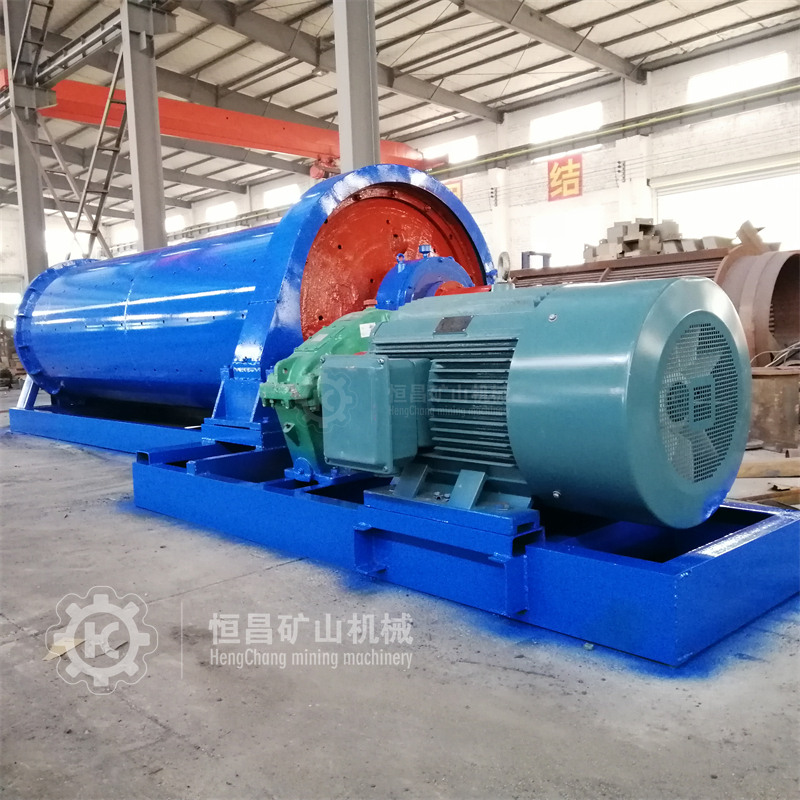
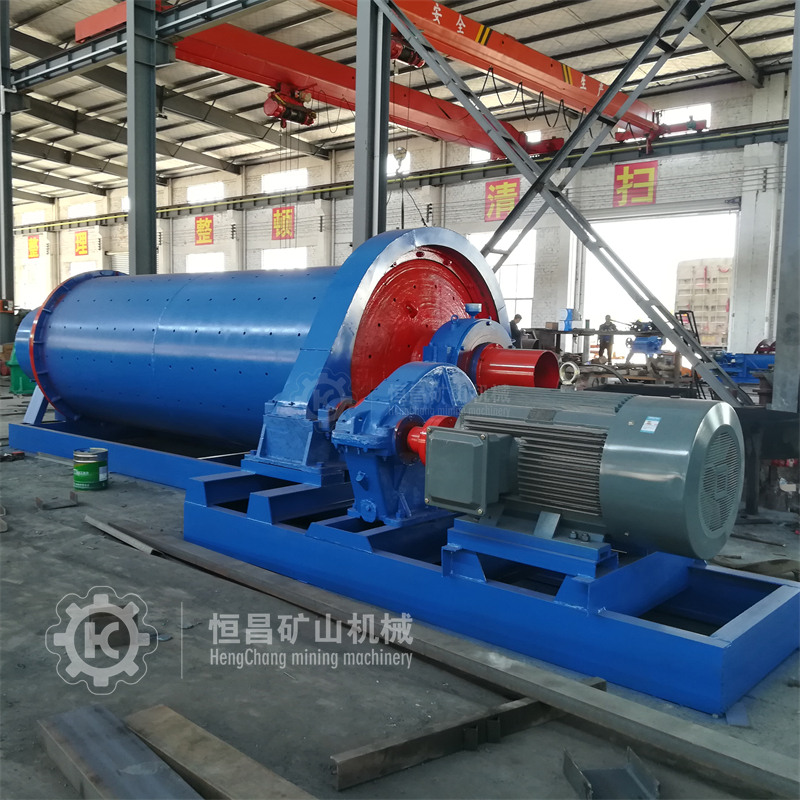
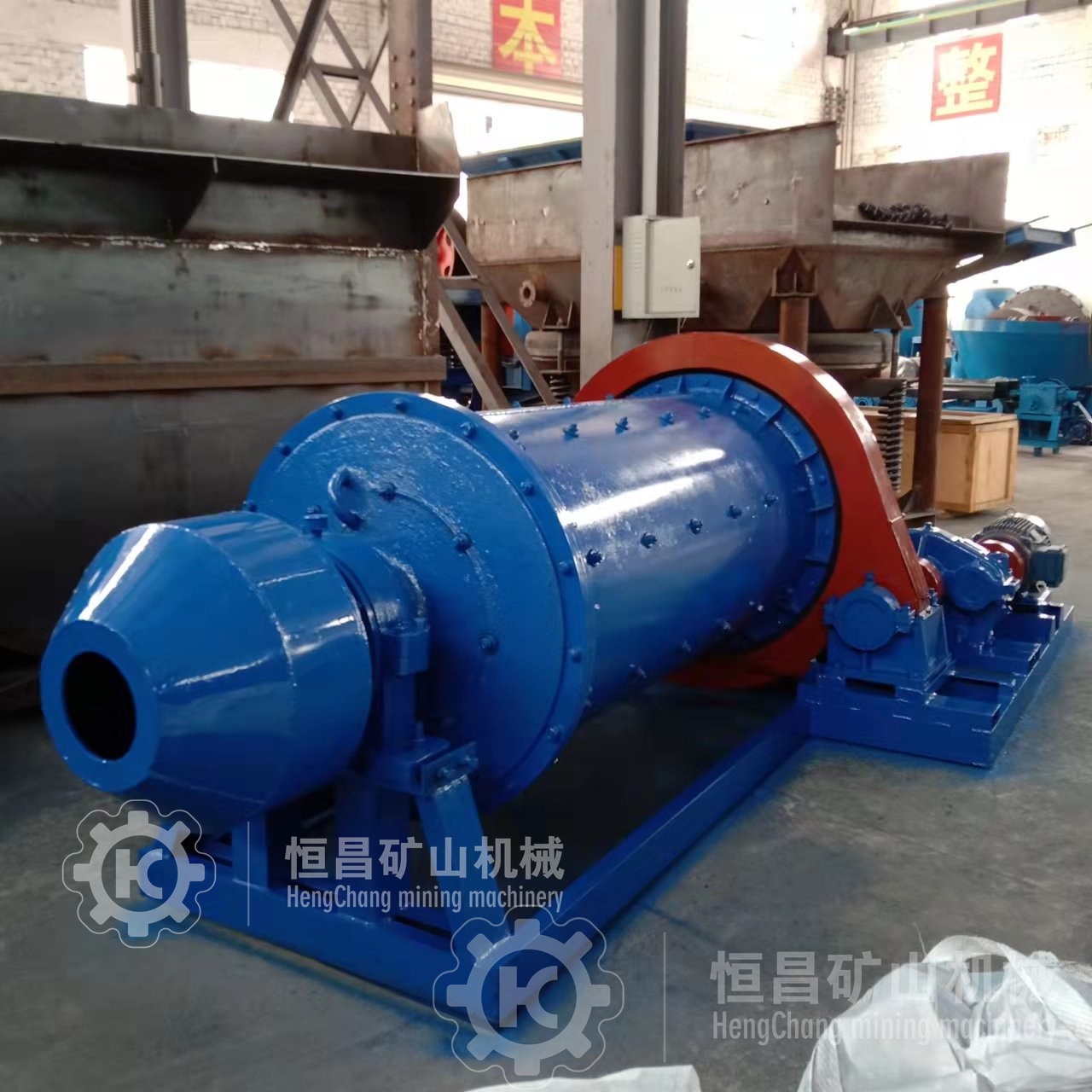
Crushing and Grinding Equipment: Essential for reducing the ore to a fine powder.Leaching Tanks: Used for mixing the ore with the leaching solution.
Carbon Adsorption Columns: Where the activated carbon adsorbs the gold.
Elution and Electrowinning Systems: For recovering the gold from the carbon and solution.
Suitable for Various Ores
JXSC CIP plant equipment is versatile and can be used for a wide range of gold-bearing ores, including:
Oxidized OresSulfide Ores
Alluvial Ores
Case Studies: JXSC CIP Plants in Action
Ghana: A Success Story
In Ghana, one of the leading gold-producing countries in Africa, JXSC CIP plants have been successfully implemented. A recent project in the Ashanti region saw a significant increase in gold recovery rates, thanks to the efficient and robust design of the JXSC equipment.
Other African Countries
JXSC CIP plants are also making waves in other African countries, such as:
Zimbabwe: With a long history of gold mining, Zimbabwe has seen improvements in efficiency and cost savings with JXSC equipment.
Mali: One of the top gold producers in Africa, Mali has adopted JXSC CIP plants to enhance their gold recovery processes.
Comparing CIP with Other Methods
CIP vs. CIL (Carbon-in-Leach)
While both CIP and CIL processes are used for gold recovery, there are some key differences:
CIP: Involves adding activated carbon to the leached pulp after the leaching process.CIL: Combines the leaching and adsorption steps, with activated carbon being added directly to the leaching tanks.
Advantages of CIP
Higher Recovery Rates: CIP often results in higher gold recovery rates compared to CIL.Flexibility: CIP allows for more flexibility in the leaching and adsorption processes.
Cost-Effective: The separate leaching and adsorption steps can be optimized for better cost efficiency.
Technical Specifications and Performance
Processing Capacity
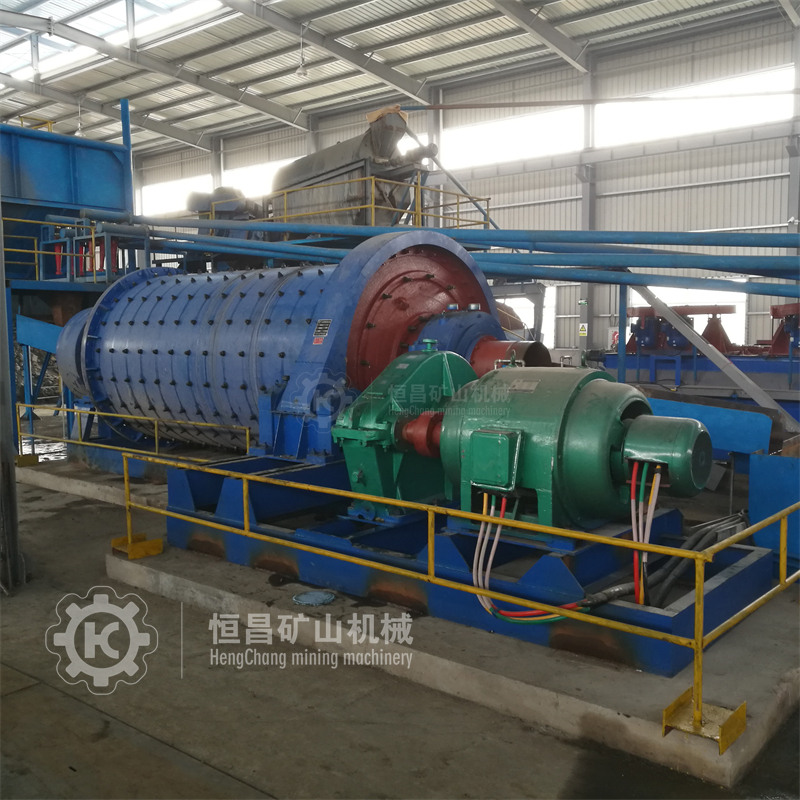
JXSC CIP plants are designed to handle various capacities, ranging from small-scale operations to large industrial projects. The typical processing capacity ranges from 100 to 10,000 tons per day, depending on the specific requirements of the mine.
Efficiency and Recovery Rates
Gold Recovery Rate: Up to 95% or higher, depending on the ore characteristics and process optimization.Energy Efficiency: JXSC equipment is designed to be energy-efficient, reducing operational costs.
Daily Operation and Maintenance
Operating Tips
Regular Monitoring: Keep a close eye on the leaching and adsorption processes to ensure optimal performance.Maintenance Schedule: Follow a regular maintenance schedule to keep the equipment in top condition.
Safety Protocols: Adhere to strict safety protocols to protect workers and the environment.
Common Maintenance Tasks
Cleaning and Inspection: Regularly clean and inspect the equipment to prevent clogging and wear.Replacement of Worn Parts: replace worn parts promptly to avoid downtime and maintain efficiency.
Training and Support: JXSC provides comprehensive training and support to ensure smooth operation and maintenance.
Conclusion: Making the Right Choice for Your Mine
Choosing the right CIP plant equipment is crucial for the success of your gold mining operation. [江西恒昌矿山机械设备] (JXSC Mining Machinery) offers high-quality, reliable, and efficient solutions that have proven their worth in various African countries. Whether you're a seasoned professional or a newcomer to the industry, JXSC's CIP plants can help you achieve higher gold recovery rates, reduce costs, and improve overall efficiency.
For more information on JXSC CIP plants and to get a quote, visit JXSC Mining Machinery's website.
Happy mining! ?