Chinese


What Is the Total Investment for a 1000 TPD Tin Ore Processing Plant? Full Cost Breakdown, Equipment List, and Payback Timeline
If you’re asking this question, you’re probably past the “dreaming” stage. You’ve got a tin deposit, you’ve done some drilling, and now you want to know: how much cash do I need to get a 1000 TPD tin ore processing plant up and running?
Short answer: for a typical 1000 TPD tin ore processing plant, the total investment usually lands between USD 1.2 million and USD 6 million. That’s a wide range because alluvial tin, hard rock tin, and fine-grained tin tailings are three very different animals. The equipment list, flow sheet, and infrastructure costs change a lot depending on your ore.
Below is a practical, no-BS breakdown. I’ll cover real cost ranges, the equipment you’ll need, two successful case examples, and how to estimate your payback timeline.
First, What Does 1000 TPD Actually Mean?
1000 TPD = 1000 tonnes per day. If you run 24 hours, that’s about 41.7 tonnes per hour. If you run 16 hours, it’s 62.5 tph. Most tin plants run 20–24 hours because grinding and gravity separation don’t like frequent stops.
Tin ore is tricky. Tin is heavy (specific gravity around 7.0), so gravity separation is the backbone. But fine tin below 0.074 mm is a pain. You lose it in slimes if you’re not careful. That’s why the flow sheet matters more than the equipment brand alone.
Total Investment: Quick Ranges by Ore Type
| Ore Type | Typical Total Investment (USD) | Notes |
|---|---|---|
| Alluvial / placer tin | 1.2M – 2.5M | Simple washing, jigs, tables. Lower civil works. |
| Hard rock tin (gravity only) | 2.0M – 4.5M | Crushing, grinding, gravity, dewatering. |
| Complex fine tin + flotation | 3.5M – 6.0M | Fine tin recovery, flotation, more automation. |
| Tin tailings reprocessing | 0.8M – 2.0M | No mining, but often needs desliming and fine gravity. |
These numbers are for the processing plant only. They don’t include buying mining rights, building access roads, or a full camp. If you need those, add another 20–50%.
Full Cost Breakdown for a 1000 TPD Hard Rock Tin Plant
Here’s where the money actually goes. These are ballpark figures based on quotes we see in the market for a standard gravity plant.
| Cost Item | Budget Range (USD) | What It Covers |
|---|---|---|
| Crushing & screening | 120,000 – 250,000 | Jaw crusher, cone crusher, vibrating screen, feeders, conveyors |
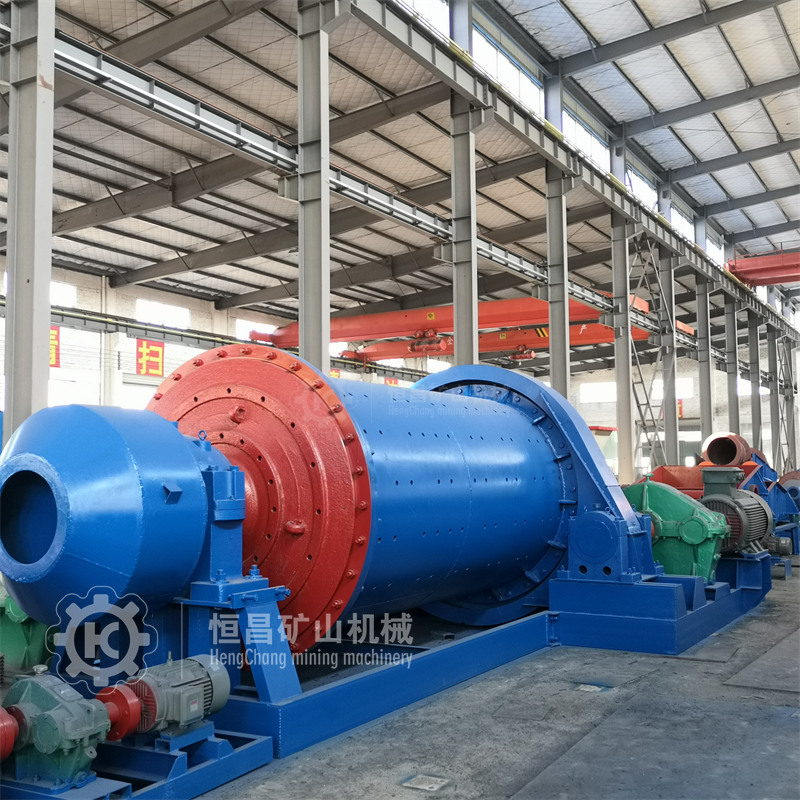
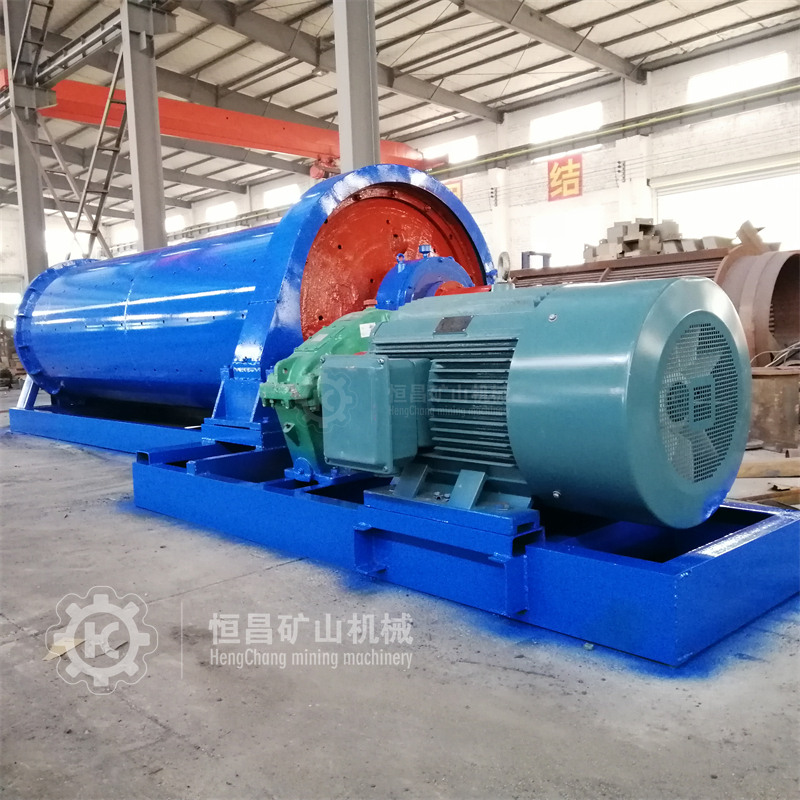
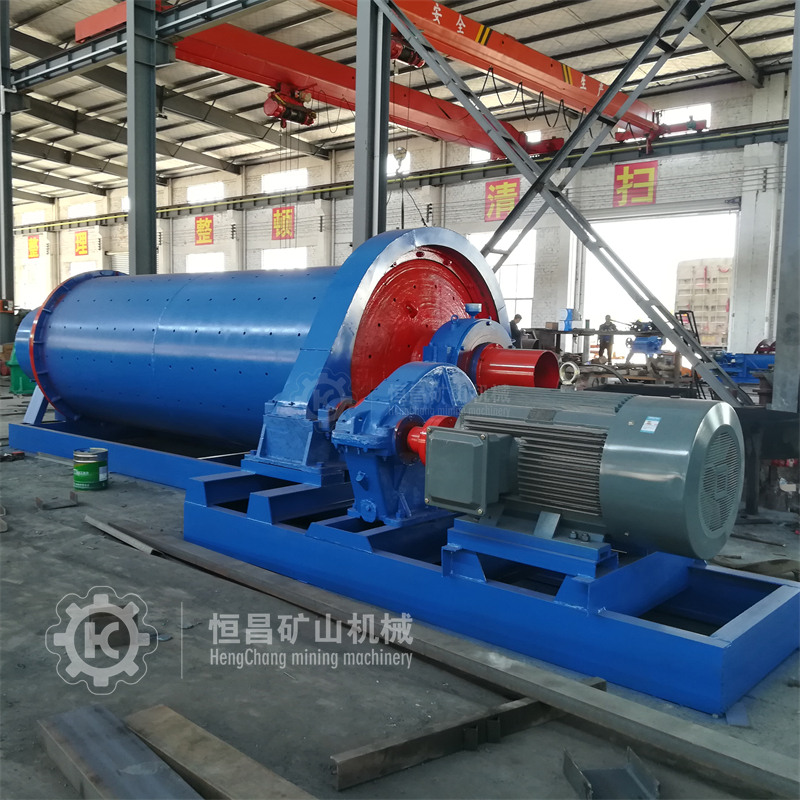
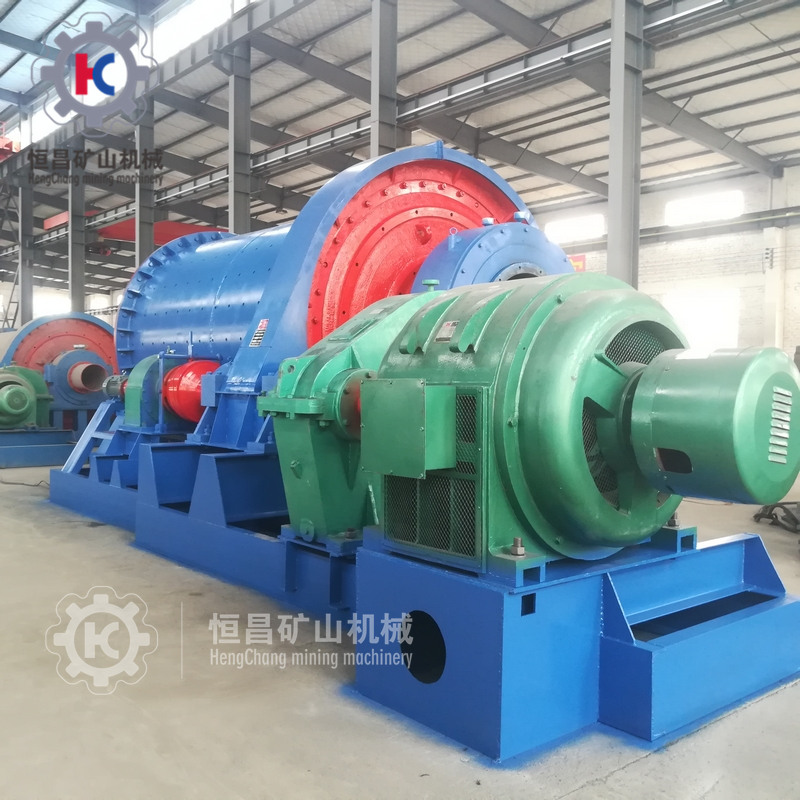
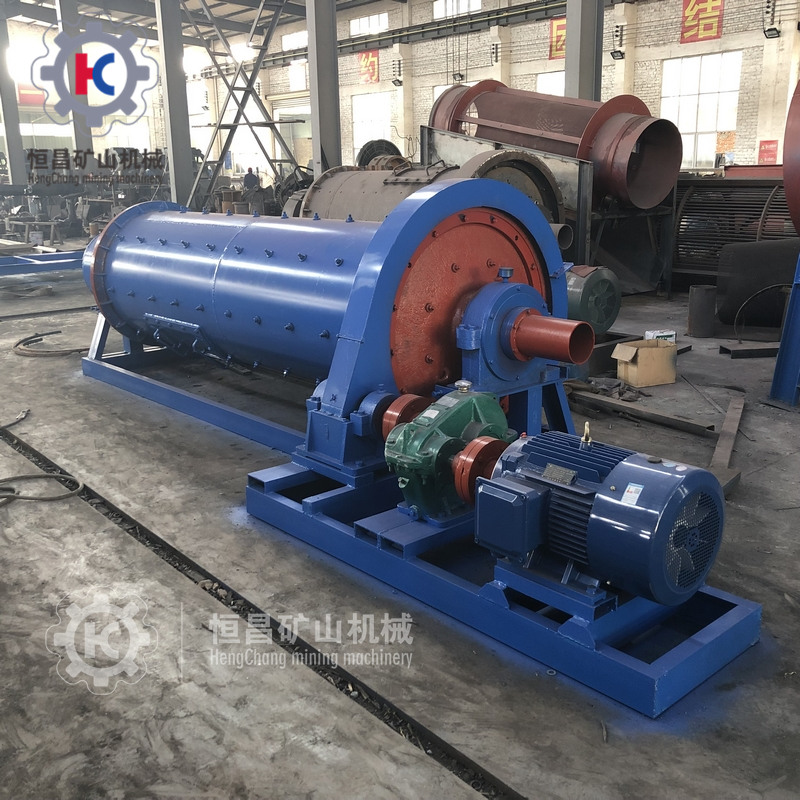
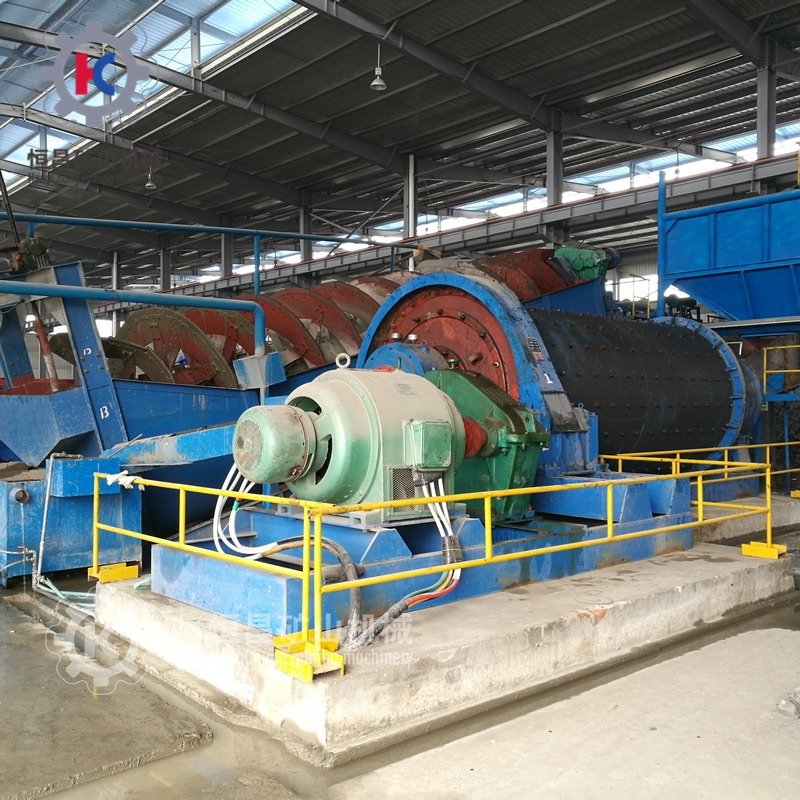
| Grinding & classification | 200,000 – 400,000 | Ball mill, spiral classifier, cyclone, slurry pumps |
| Gravity separation | 250,000 – 600,000 | Jigs, shaking tables, spiral chutes, pumps |
| Flotation (if needed) | 150,000 – 350,000 | Flotation cells, agitators, reagent system |
| Dewatering | 100,000 – 250,000 | Thickener, filter press, dryer |
| Tailings & water | 80,000 – 200,000 | Tailings dam piping, recycle water system |
| Electrical & automation | 80,000 – 200,000 | MCC, control panel, PLC, cables |
| Steel structure & piping | 150,000 – 350,000 | Platforms, walkways, piping |
| Civil works | 200,000 – 500,000 | Foundations, workshop, office |
| Installation & commissioning | 150,000 – 300,000 | Labor, cranes, engineers |
| Engineering & permits | 100,000 – 250,000 | Design, EIA, spare parts |
| Working capital | 200,000 – 500,000 | 2–3 months of operating costs |
| Contingency (10–15%) | 200,000 – 500,000 | Surprises happen |
| Total | 2.0M – 4.5M |
Want to cut costs? Don’t skip the ore test. A proper lab test costs a few thousand dollars and can save you hundreds of thousands in wrong equipment.
Equipment List for a 1000 TPD Tin Ore Processing Plant
You don’t need every machine on this list. It depends on your ore. But here’s the typical lineup:
| Stage | Equipment | Purpose |
|---|---|---|
| Feeding | Vibrating feeder, belt conveyor | Move ore evenly |
| Crushing | Jaw crusher, cone crusher | Reduce to <20 mm |
| Screening | Vibrating screen | Separate sizes |
| Grinding | Ball mill | Grind to liberation size |
| Classification | Spiral classifier, hydrocyclone | Control particle size |
| Gravity – coarse | Jig separator | Recover coarse tin |
| Gravity – fine | Shaking table, spiral chute | Recover fine tin |
| Magnetic | Magnetic separator | Remove iron contamination |
| Flotation | Flotation machine | Fine tin and sulfide removal |
| Dewatering | Thickener, filter press, dryer | Make concentrate shippable |
| Tailings | Slurry pump, tailings dam | Safe disposal |
| Control | PLC, MCC | Keep the plant stable |
If you’re building a plant, Jiangxi Hengchang Mining Machinery Equipment is a name that comes up often. They make complete gravity and flotation lines, and their jigs, shaking tables, and ball mills are common in tin projects across Indonesia, Nigeria, Bolivia, and China. They also do lab tests and flow sheet design, which is a big deal for tin because every ore behaves differently.
Successful Case Examples: Domestic and International
Domestic Case: Gejiu, Yunnan (China)
Gejiu is known as China’s tin capital. A 1000 TPD hard rock tin plant there uses a combination of jig + shaking table + flotation. The ore is fine-grained and has some sulfide. After upgrading their gravity circuit with better jigs and tables, recovery improved by 5–8%. The plant now runs at about 72% tin recovery with a concentrate grade above 45% Sn. They use equipment from multiple Chinese suppliers, including Jiangxi Hengchang for the gravity section.
International Case: Belitung, Indonesia
Belitung Island has a lot of alluvial tin. A 1000 TPD alluvial plant there uses a rotary scrubber, trommel screen, jigs, and shaking tables. No grinding needed because the tin is already liberated. Total investment was around USD 1.8 million. They started with a single jig line and added two more shaking tables later. Equipment from Jiangxi Hengchang is running in similar operations on the island. Payback was under two years because the ore grade was high and mining costs were low.
Another Scenario: Tin Tailings Reprocessing in Bolivia
Old tailings dams often hold 0.2–0.4% Sn. A 1000 TPD tailings plant in Bolivia used desliming cyclones + spiral chutes + shaking tables. Investment was about USD 1.2 million. Recovery was lower (around 55–60%) because the tin was very fine, but the project still made money because the feed was already mined and crushed.
Payback Timeline: How to Estimate It Honestly
Payback depends on four things: head grade, recovery, tin price, and operating cost. Let’s run a simple example.
Assumptions:
1000 TPD, 330 days/year = 330,000 tonnes/year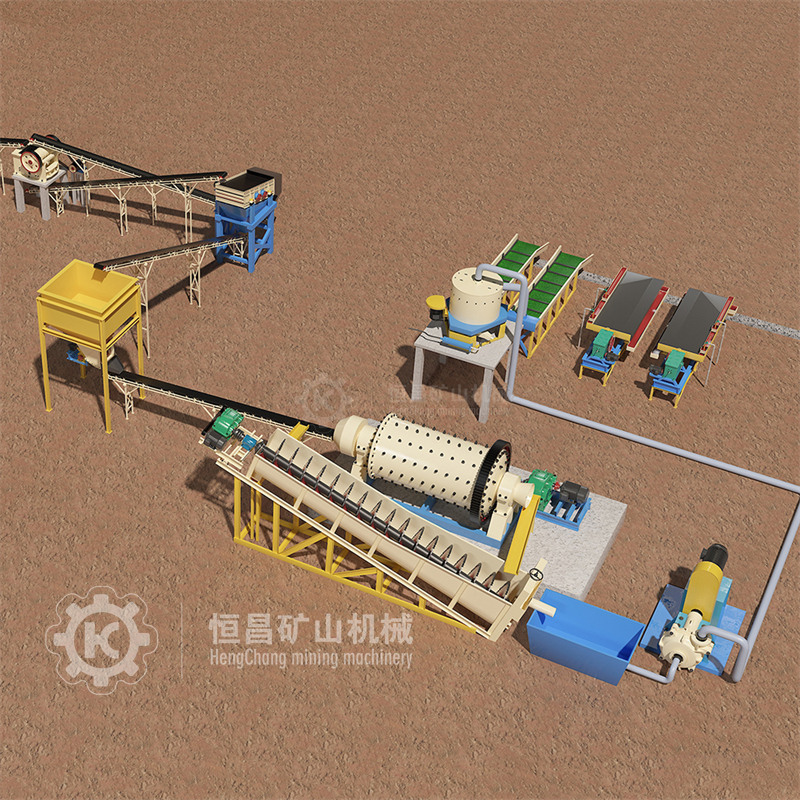
Head grade: 0.35% Sn
Recovery: 70%
Annual tin metal produced = 330,000 × 0.0035 × 0.70 = 808.5 tonnes
Annual revenue = 808.5 × 28,000 = USD 22.6 million
Annual OPEX (processing only) = 330,000 × 25 = USD 8.25 million
Gross profit = USD 14.35 million
If total investment is USD 3.5 million, payback = 3.5 / 14.35 = 0.24 years ≈ 3 months. That sounds amazing, but it’s because tin is a high-value metal. In reality, mining costs, dilution, and downtime eat into that. A more conservative payback is 1.5 to 3 years for a well-run 1000 TPD tin plant.
If your head grade is below 0.2% Sn, you need to be very careful. At 0.2% grade and 65% recovery, annual revenue drops to about USD 13 million, and OPEX can easily hit USD 10–12 million. Payback stretches past 5 years, or the project may not work at all.
Rule of thumb: Test your ore. If you can’t get at least 0.25% Sn with 65% recovery, think twice before building a 1000 TPD plant.
How to Keep Your Investment Under Control
Do a lab test first. Send 50–100 kg of representative ore to a lab. Jiangxi Hengchang and other major suppliers offer this service.Start with gravity, add flotation only if needed. Gravity is cheaper and cleaner.
Buy modular equipment. You can add a second ball mill or more shaking tables later.
Don’t over-automate. A 1000 TPD plant doesn’t need a full AI control room. PLC and basic instrumentation are enough.
Negotiate spare parts. A 10% spare parts package saves you weeks of downtime.
Final Takeaway
A 1000 TPD tin ore processing plant is not a small project. Budget USD 2–4.5 million for a hard rock gravity plant, USD 1.2–2.5 million for alluvial, and up to USD 6 million if you need fine tin flotation.
The equipment list is long, but the core is simple: crush, grind, gravity, dewater. The payback can be as short as 1.5 years if your grade is good and your recovery is high. If your ore is low-grade or fine-grained, payback can stretch to 4–5 years or never happen.
If you’re serious, start with an ore test and a proper flow sheet design. Talk to Jiangxi Hengchang Mining Machinery Equipment — they’ve built tin plants in China and overseas, and they can give you a real equipment list and cost estimate based on your ore. Don’t guess. Test. Then build.