Chinese


JXSC Zambia 50TPH Rock Gold Processing Plant Flow Design & Equipment Price
Why 50TPH Rock Gold Processing is a Sweet Spot in Zambia
If you're a mine owner or a processing engineer in Zambia, you've probably realized one thing: small-scale operations are getting squeezed, and large-scale requires capital most of us don't have. That's where the 50 tons per hour (TPH) rock gold processing plant hits the sweet spot.
At JXSC Mine Machinery, we've designed and shipped dozens of these plants across Africa, and Zambia has become one of our busiest regions. Why? Because 50TPH strikes a perfect balance between:
Production volume – enough to turn a decent profitInvestment cost – affordable for most medium operations
Transport and setup – can be containerized and installed in weeks, not months
Let me walk you through the complete flow design, equipment lineup, and realistic price range. No fluff, just practical information you can use to make a decision.
Typical JXSC 50TPH Rock Gold Processing Flow in Zambia
Here's the standard flow we recommend for Zambian rock gold deposits (sulfide ore or oxidized ore):
Feeding → 2. Primary Crushing → 3. Fine Crushing → 4. Grinding → 5. Classification → 6. Gravity Concentration → 7. Amalgamation or Flotation → 8. Tailings DisposalStep 1: Vibrating Feeder + Jaw Crusher (Primary Crushing)
Equipment: Grizzly Vibrating Feeder (ZSW-490×110) + Jaw Crusher (PE-600×900)
The grizzly removes fines (-30mm) before crushing – this saves wear and increases throughputJaw crusher reduces feed rock from 500mm down to 100-120mm
Why it matters: Many Zambian ores have high clay content. Without proper grizzly screening, wet clay can clog the crusher, causing downtime.
Step 2: Cone Crusher or Impact Crusher (Secondary Crushing)
Equipment: Spring Cone Crusher (PYB-1200) or Impact Crusher (PF-1214)
Reduces from 100mm down to 15-25mmWe usually go with cone crusher in Zambia because rock gold is typically hard – cone crushers handle abrasive ore better than impact types
Pro tip: If your ore has high free gold content visible during crushing, consider adding a "scavenger" gravity circuit between secondary crushing and grinding. It's a small investment that can recover coarse gold early.
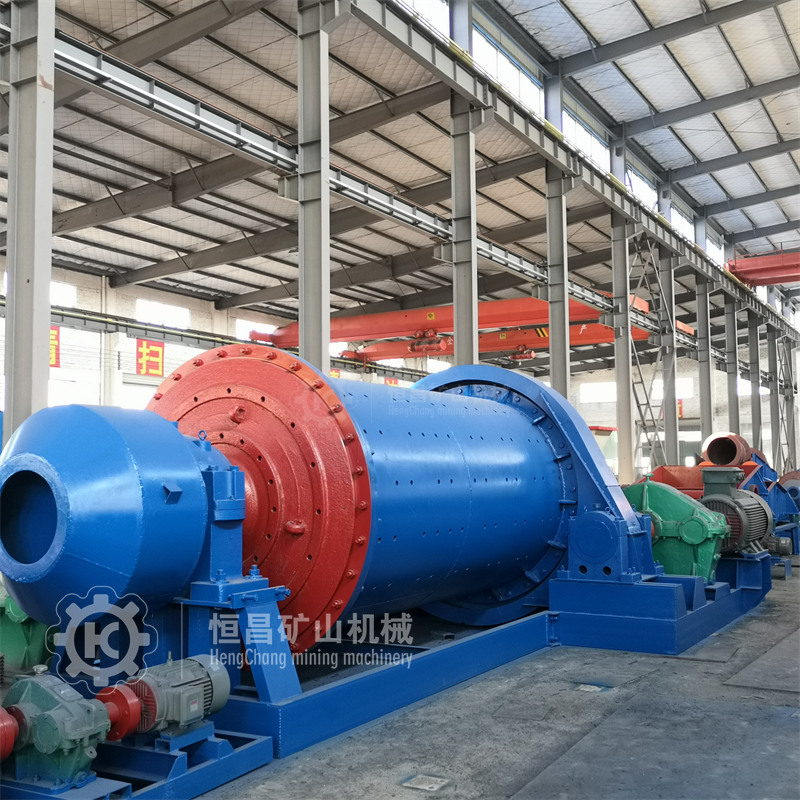
Step 3: Ball Mill + Spiral Classifier (Grinding & Classification)
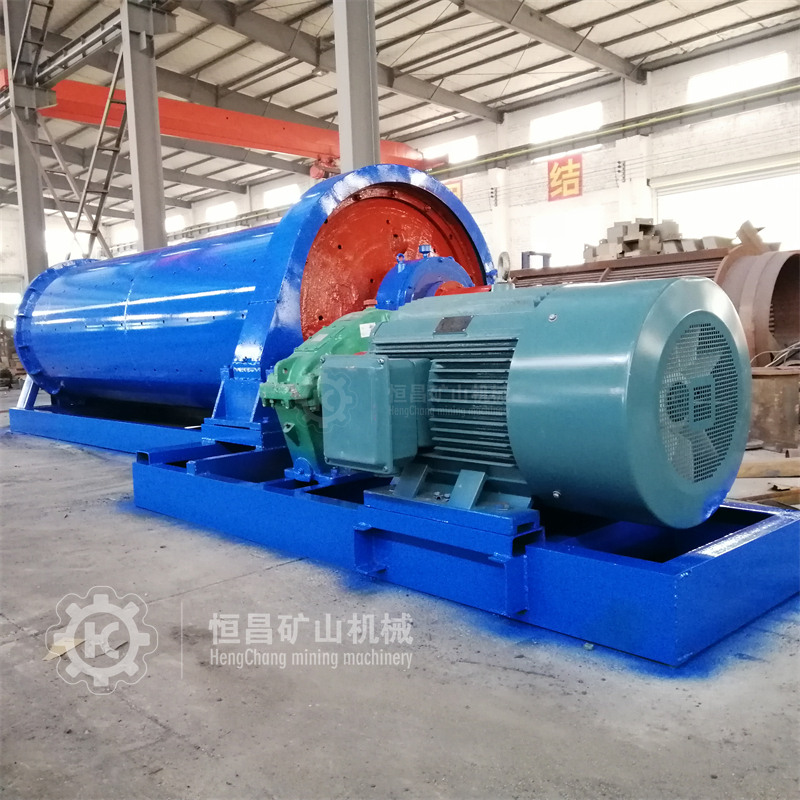
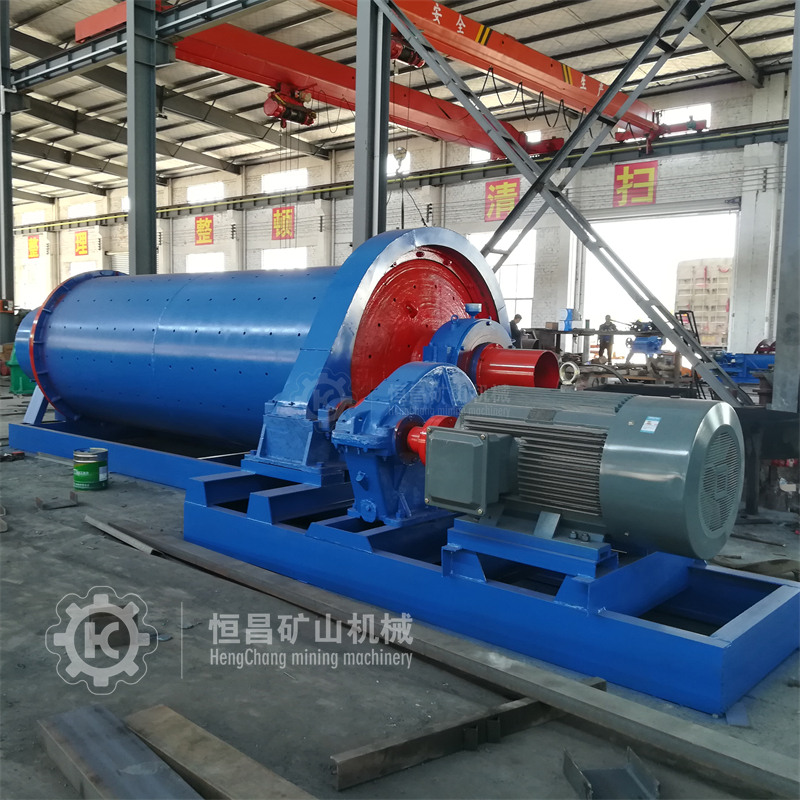
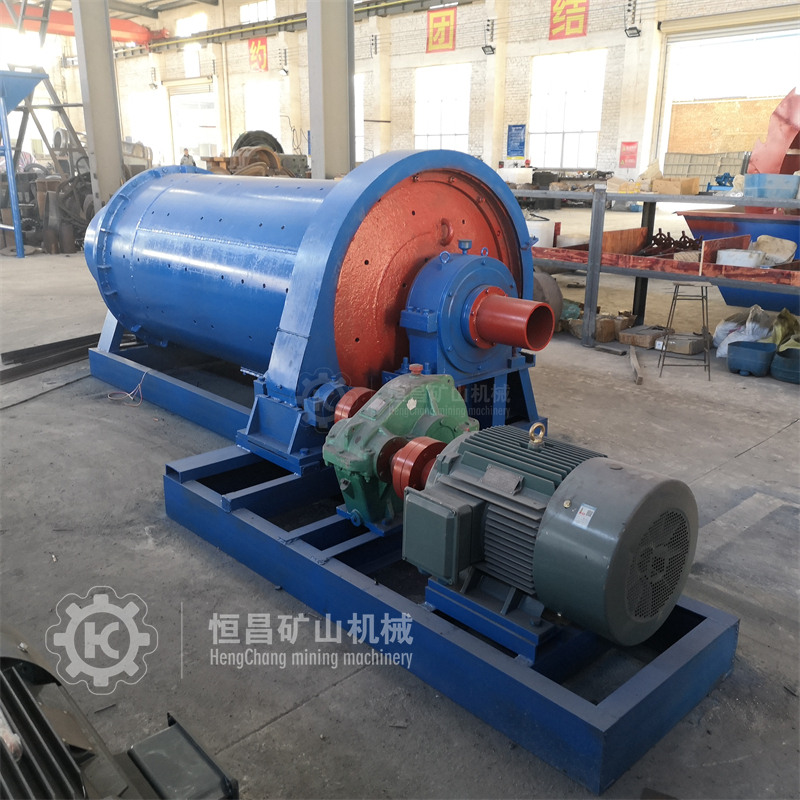
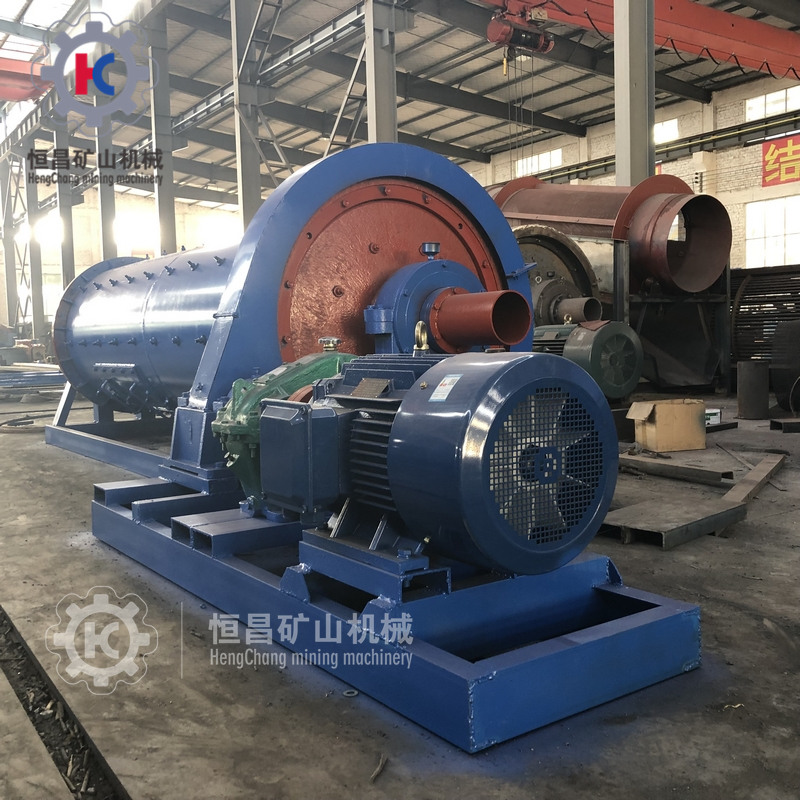
Equipment: Ball Mill (MQG-1830×6400) + Spiral Classifier (FG-2000)
Closed-circuit grinding: ball mill grinds, classifier returns oversize particles for regrindingTarget grind size: P80 of 200 mesh (0.074mm)
Power draw: ~150-200kW
Common mistake in Zambia: Operators try to push finer than 200 mesh to "get all the gold out." But over-grinding produces slimes that blind the concentration tables and reduce recovery. Stay at 200 mesh unless you have specific test work showing finer is better.
Step 4: Gravity Concentration Circuit
Equipment: Centrifugal Concentrator (STLB-60 or STLB-80) + Shaking Table (6-S 4500mm)
Primary concentration: centrifugal concentrator captures 85-92% of free goldClean-up: shaking table refines concentrate to 20-30% gold content (ready for smelting or mercury-free amalgamation)
Why gravity first? Gravity is simple, cheap to operate, and chemical-free. In Zambia, where cyanide permits can take time, gravity recovery allows you to start producing gold immediately while setting up chemical processing (if needed).
Step 5: Flotation (Optional – for Sulfide or Refractory Ore)
Equipment: Flotation Cells (SF-2.8 or XCF-4, 6 cells)
Used when gold is encapsulated in pyrite or arsenopyrite (common in Zambia's Copperbelt region)Produces a gold concentrate at 40-60g/t, sent to a toll mill or market
When to skip flotation: If your ore is free-milling (gold liberated at 200 mesh), gravity alone can recover 85-90%. Skip flotation to save capital.
Step 6: Tailings Management
Equipment: Dewatering Screen (ZSG-1548) or Tailing Pond
In Zambia, water access is often a limiting factor – recycle 80%+ of process water
Equipment List & Estimated Price
Here's a realistic breakdown for a JXSC Zambia 50TPH rock gold processing plant delivered and commissioned (excluding site civil works):
| Equipment | Model | Qty | Unit Price (USD)* |
|---|---|---|---|
| Grizzly Vibrating Feeder | ZSW-490×110 | 1 | $8,000 |
| Jaw Crusher | PE-600×900 | 1 | $22,000 |
| Cone Crusher | PYB-1200 | 1 | $35,000 |
| Belt Conveyor (various) | B500-15m | 3 | $4,000 each |
| Ball Mill | MQG-1830×6400 | 1 | $65,000 |
| Spiral Classifier | FG-2000 | 1 | $15,000 |
| Centrifugal Concentrator | STLB-80 | 1 | $18,000 |
| Shaking Table | 6-S 4500mm | 2 | $8,000 each |
| Slurry Pump | 4/3C-AH | 3 | $3,000 each |
| Flotation Cells | SF-2.8 (6 cells) | 1 set | $35,000 |
| Control Panel | PLC + VFD | 1 | $10,000 |
| Total Equipment (gravity only) | ~$178,000 | ||
| Total with flotation | ~$213,000 |
*Prices are FOB Chinese port, subject to exchange rate fluctuation. Container shipping to Zambia (via Dar es Salaam or Durban) adds $8,000-$12,000. Local customs clearance + trucking within Zambia: $3,000-$5,000.
Payment terms: Typically 30% deposit, 40% before shipment, 30% after loading. JXSC offers flexible terms for repeat clients.
Real Zambia Case: Copperbelt Rock Gold Project
In April 2024, JXSC commissioned a 50TPH gravity+flotation plant for a client in Ndola, Zambia.
Project details:
Ore type: Quartz vein with 2-5% pyrite, gold grade 3-5g/t, visible gold in quartzRecovery achieved: 88% (gravity alone recovered 76%, flotation recovered additional 12%)
Operating cost: $12/ton (labor, power, consumables)
Payback period: 14 months at current gold price ($2,400/oz)
Challenges encountered and solved:
Power fluctuations → We added a soft starter for the ball mill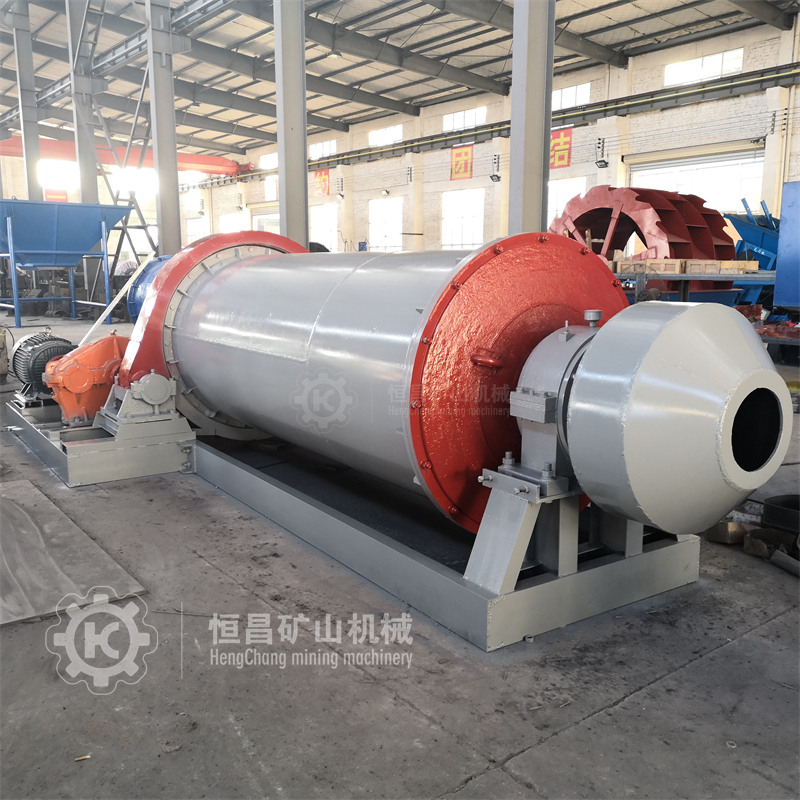
Low-grade tailings re-processing → Client requested we make the plant modular for future expansion – we did
How to Choose: Gravity Only vs Gravity + Flotation
Go with gravity only if:
Your gold is coarse (+100 micron) and free-millingYou want to start production in 4-6 weeks (simpler pipework, no chemicals)
Budget is tight ($178K vs $213K)
You don't want cyanide/flotation reagent risks
Add flotation if:
Your gold is fine (-100 micron) and sulfide-associatedTailings grade is >0.5g/t (flotation can recover 80%+ of that)
You have access to skilled operators who understand reagent dosing
You plan to sell sulfide concentrate to a toll mill
Hybrid approach: Start with gravity, stockpile sulfide tailings, then add flotation later when cash flow improves. Many Zambian mines do this.
JXSC Advantage in Zambia
Spare parts stock – We maintain a warehouse in Lusaka with long-lead items (liners, pumps impellers, screens)Installation support – 2 weeks on-site engineer included with every plant (travel costs extra)
Remote troubleshooting – Our team speaks English, Bemba, and Nyanja – WhatsApp support within 2 hours
Financing: We partner with Zambian banks for equipment leasing options
Final Takeaway for Zambian Mine Owners
A 50TPH rock gold processing plant is a solid entry point into medium-scale production. With proper test work and a well-designed flow sheet, you should expect:
88-93% recovery (gravity + flotation)$12-18/ton operating cost (varies with ore hardness and power cost)
14-20 month payback at current gold prices
Don't skip the sample testing. Send us 500kg of your ore, and we'll run a complete gravity/flotation test at our factory. The test costs $800, but it saves you tens of thousands in wrong equipment selection.
Contact JXSC Zambia Desk:
Email: zambia@jxscmachine.comWhatsApp: +86-138-2175-7965
Office: Plot 123, Makeni, Lusaka (by appointment only)
Got a tricky ore or a tight deadline? We've shipped 50TPH plants to Zambia in under 45 days from order. Let's talk.