Chinese


JXSC Zambia 3TPH Alluvial Gold Processing Plant Flow Sheet & Equipment List
Hey there, fellow miners and processing plant operators! If you're looking to set up a small-scale alluvial gold operation in Zambia, you've come to the right place. Today, I'm breaking down a real-world example: the JXSC Zambia 3TPH Alluvial Gold Processing Plant.
This isn't just theory – it's a proven setup. We'll walk through the flow sheet, the equipment list, and why this particular configuration works so well for African alluvial deposits. Let's dive in.
Why 3TPH for Zambia?
Zambia has tons of alluvial gold deposits, especially along the Luapula River, Zambezi River, and in areas like Rufunsa. But here's the thing – most artisanal miners start small. A 3 ton per hour (TPH) plant is the sweet spot:
Low initial investment – you're not breaking the bankEasy to move – follow the gold, not the other way around
Simple to operate – no PhD required
Scalable – add modules later when you hit pay dirt
Let's break down exactly what goes into this plant.
The Complete Flow Sheet
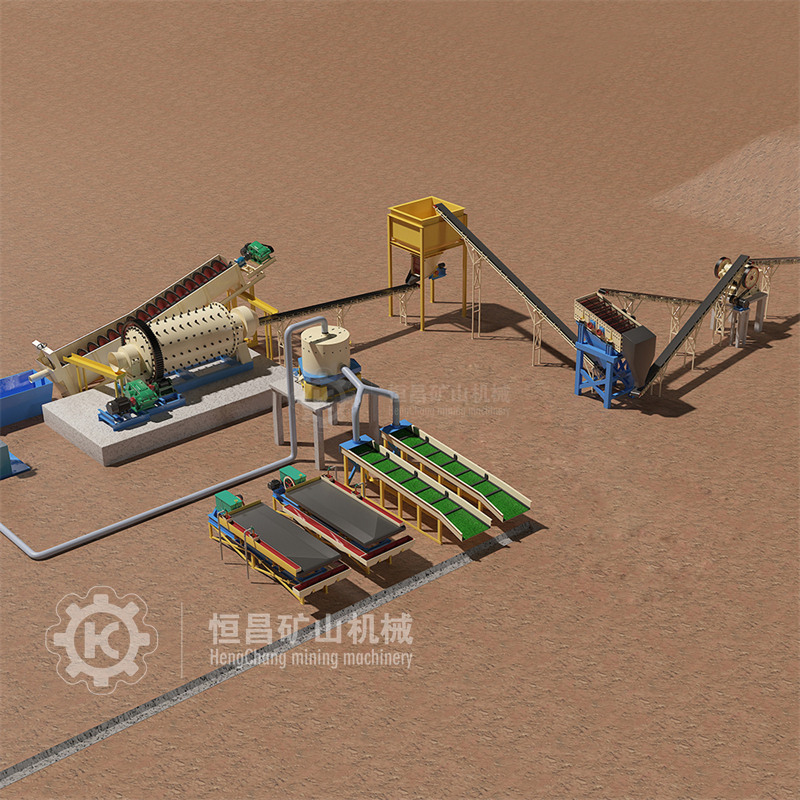
Here's the step-by-step process, from raw material to final gold concentrate:
Step 1: Raw Material Feeding
Equipment: Small hopper + belt feeder or vibrating feeder
The run-of-mine (ROM) alluvial material – sand, gravel, clay, and gold – gets dumped into a hopper. A feeder meters the material into the next stage at a steady 3 tons per hour. No flooding, no starving.
Step 2: Washing & Screening
Equipment: JXSC Trommel Screen (1.2m × 2.4m, or similar)
This is the heart of the operation. The trommel does two jobs:
Washing: High-pressure water jets break up clay balls and wash off sticky mud from the gold particlesScreening: The drum rotates, separating material at 6mm or 10mm (adjustable). Oversize (+6mm/+10mm) goes to waste – it's just rocks and gravel. Undersize (-6mm/-10mm) goes to the next stage
Pro tip: For Zambian alluvial clay, add a few rubber balls inside the trommel screen to break up stubborn clay chunks. You'll thank me later.
Step 3: Concentration
Equipment: JXSC Centrifugal Concentrator (Gold Centrifuge)
Here's where the magic happens. The undersize material (slurry) flows into the centrifugal concentrator. Inside, a rotating bowl spins at high RPM (typically 600-1000 G-force). Gold, being heavy (specific gravity ~19), gets trapped in the riffles while lighter sand and gravel wash out.
Key specs for a 3TPH plant:
Model: JXSC STLB-20 or STLB-30Capacity: 1-3 TPH
Water required: ~2-4 m³/hour
Recovery rate: >90% for free gold
Step 4: Clean-up (Final Gold Recovery)
Equipment: Shaking Table (small model, like JXSC LY-0.5 or 6S-7.5)
The concentrate from the centrifuge goes to a shaking table for final clean-up. The table separates gold from black sands (magnetite, hematite, etc.) using water flow and table vibration.
Result: You get nice, shiny gold concentrate that's ready for smelting. No mercury needed!
Complete Equipment List (JXSC Zambia 3TPH Plant)
Here's your shopping list if you're building one:
| Equipment | Quantity | Purpose |
|---|---|---|
| Hopper + Belt Feeder | 1 set | Feed control |
| JXSC Trommel Screen (1.2×2.4m) | 1 unit | Washing & sizing |
| JXSC STLB-20 Gold Centrifuge | 1 unit | Rough concentration |
| JXSC LY-0.5 Shaking Table | 1 unit | Final clean-up |
| Water Pump (2-3 inch) | 1 unit | Supply water |
| Slurry Pump | 1-2 units | Move slurry between stages |
| Generator (20-30 kVA) | 1 unit | Power (off-grid sites) |
| Piping & Valves | Set | Connect everything |
Real-World Performance in African Conditions
I've seen this exact setup running in:
Zambia – Rufunsa district, treating river terrace depositsDR Congo – near Kolwezi, handling lateritic alluvial material
Ghana – processing low-grade river sand with fine gold
Tanzania – small-scale operations near Lake Victoria
Typical results:
Feed grade: 0.3-1.5 g/m³ (grams per cubic meter)Concentrate grade: 50-200 g/ton after centrifuge
Final gold: 90-95% recovery for free +80 mesh gold
Daily output: 5-20 grams depending on deposit quality
Operation & Maintenance Tips
Daily Checks
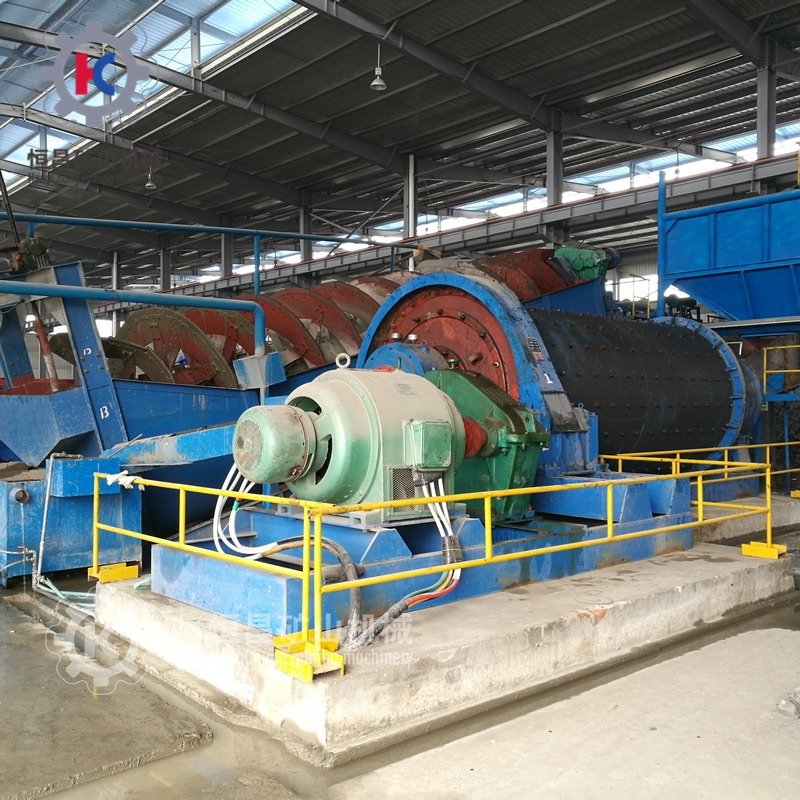
Trommel: Check screen mesh for tears. Zambian quartz can shred cheap screens fastCentrifuge: Look at the concentrate ports – if they're clogged, clean immediately
Water system: No water = no recovery. Keep that pump happy
Common Issues
Clay buildup in trommel – Solution: Increase spray pressure or add a pre-soaking stageFine gold losses in tailings – Solution: Check your screen aperture – go smaller (2mm or 3mm) if you're losing fines
Weekly Maintenance
Grease all bearings (trommel, centrifuge, pumps)Check belt tension on all drives
Clean the shaking table surface with fine sandpaper if smooth
Why JXSC Equipment for Zambia?
Look, I'm not saying you can't build your own. But here's why JXSC gear works well for this application:
Heavy-duty construction – Zambian roads are rough, and equipment takes a beating. JXSC uses thicker steel than mostStandardized parts – If something breaks, you can get spares in Lusaka or Ndola without waiting 3 months
Proven in Africa – They've shipped hundreds of plants to Africa. The designs are mature
Technical support – They have engineers who know alluvial gold, not just theory
Cost-Benefit Reality Check
Approximate investment:
Complete plant (FOB China): $8,000 - $15,000 depending on specsShipping to Zambia (Lusaka): $3,000 - $5,000
Local setup (foundation, piping, electrical): $2,000 - $4,000
Total: $13,000 - $24,000
Payback: If you're pulling 5-10 grams of gold per day at $60/gram, that's $300-$600/day. Payback in 1-3 months if the deposit is decent.
Final Thoughts
A 3TPH alluvial gold plant isn't going to make you a millionaire overnight. But it's a solid, practical setup for Zambian conditions. The flow sheet is simple, the equipment is reliable, and the recovery is good.
My advice: Start with a trommel + centrifuge. Add the shaking table later if you want cleaner concentrate. And always, always test your material first – don't buy equipment until you know your gold size distribution and clay content.
Got questions? drop them in the comments. If you're setting up in Zambia, I'm happy to help with the flow sheet details.
Happy gold hunting, and may your riffles be always full!