Chinese


2026 Gold Shaking Table vs Centrifugal Concentrator: Which One Recovers More Fine Gold?
If you’re a small-scale miner or a plant manager looking to upgrade your recovery line, you’ve probably asked yourself this question: Shaking table or centrifugal concentrator? Which one pulls out more fine gold?
I get it. Every gram counts, especially when prices are high and margins are tight.
Here’s the deal: Both machines have their sweet spots—and their weaknesses. But in 2026, as ore grades drop and gold becomes harder to crack, choosing the right equipment can make or break your operation.
Let’s break it down, no fluff, just practical comparison.
Quick Intro: What Are We Talking About?
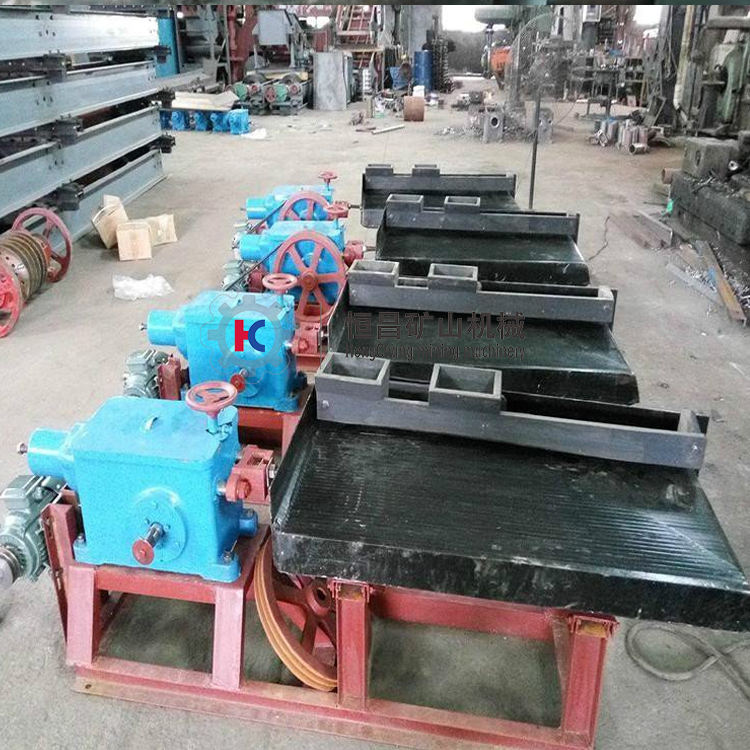
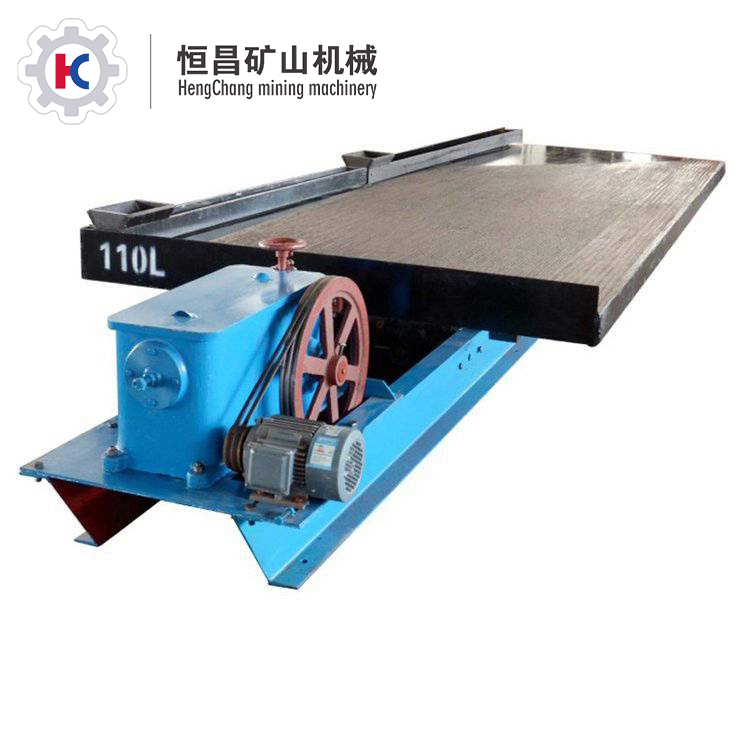
Gold Shaking Table – A classic gravity concentrator that uses a vibrating deck, riffles, and water flow to separate gold from gangue. Think of it as a "sorter" that distributes materials by density.
Centrifugal Concentrator – A high-speed spinning bowl that uses centrifugal force to trap heavy minerals like gold while light materials wash out. It’s like a supercharged sluice box.
Both are gravity-based, but they work in totally different ways—and that determines where each one shines.
How Do They Work? (Simple Version)
Shaking Table Working Principle
A flat, slightly tilted deck vibrates longitudinally.Water flows across the deck from one side to the other.
Ore slurry is fed at one corner.
Heavy particles (gold) settle into riffles and move toward the concentrate end.
Lighter particles wash off the side as tailings.
Result: You get clean concentrates you can see with your own eyes.
Centrifugal Concentrator Working Principle
A conical bowl spins at high speed (300–1000 RPM).Material enters the spinning bowl through a central feed pipe.
Centrifugal force pushes heavy gold to the bowl’s inner wall.
A water jacket fluidizes the bed, allowing lighter particles to escape.
After a cycle, gold is trapped in the "rings" inside the bowl.
Result: High recovery rates in a short time.
The Real Question: Fine Gold Recovery
Here’s where it gets interesting.
Shaking Table: Good, But Not Perfect for Super Fines
A shaking table can recover free gold down to 75 microns (200 mesh) in most cases. If your gold is coarse, chunky, or exists in sulfide ores, a table will do a fine job with careful adjustment.
But when gold gets ultra-fine (below 50 microns), shaking tables lose efficiency. The particles are too light to settle into riffles—they just float away with the water.
Pros: Visible separation, low operating cost, low maintenance, easy to monitor.
Cons: Slow processing speed (1–5 tons per day for small units), limited for fine gold.
Centrifugal Concentrator: King of Fine Gold
A centrifugal concentrator can recover gold down to 10 microns and even less. In fact, many modern units achieve 95% recovery for gold in the 30–100 micron range. That’s impressive.
Why? Because centrifugal force is much stronger than gravity alone. It traps even tiny gold particles inside the bowl’s rings.
Pros: High recovery for fines, fast processing (up to 10 tons per hour for large models), simple operation.
Cons: Higher upfront cost, batch operation (needs periodic stop to clean out concentrate), generates high water use.
Which One Is Better for Your Ore?
Let’s match them to common ore types.
1. Placer Gold (Alluvial)
Gold size: Mixed—some coarse, some fine.
Best fit: Centrifugal concentrator (first stage) + shaking table (cleanup). Concentrator captures the fines quickly.
Table upgrades the concentrate to smelt-ready grade.
2. Hard Rock Gold (Vein)
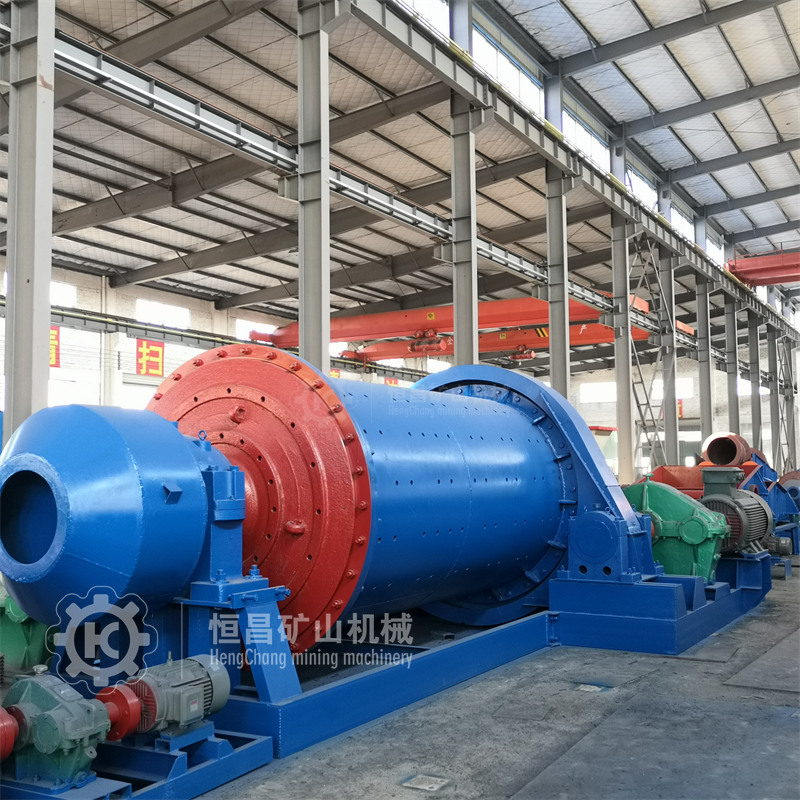
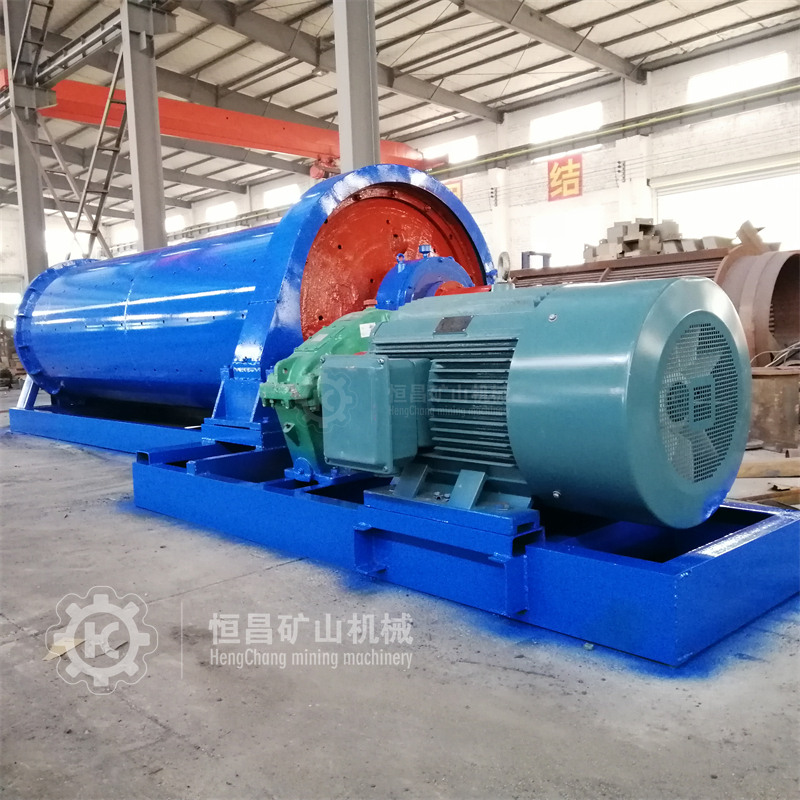
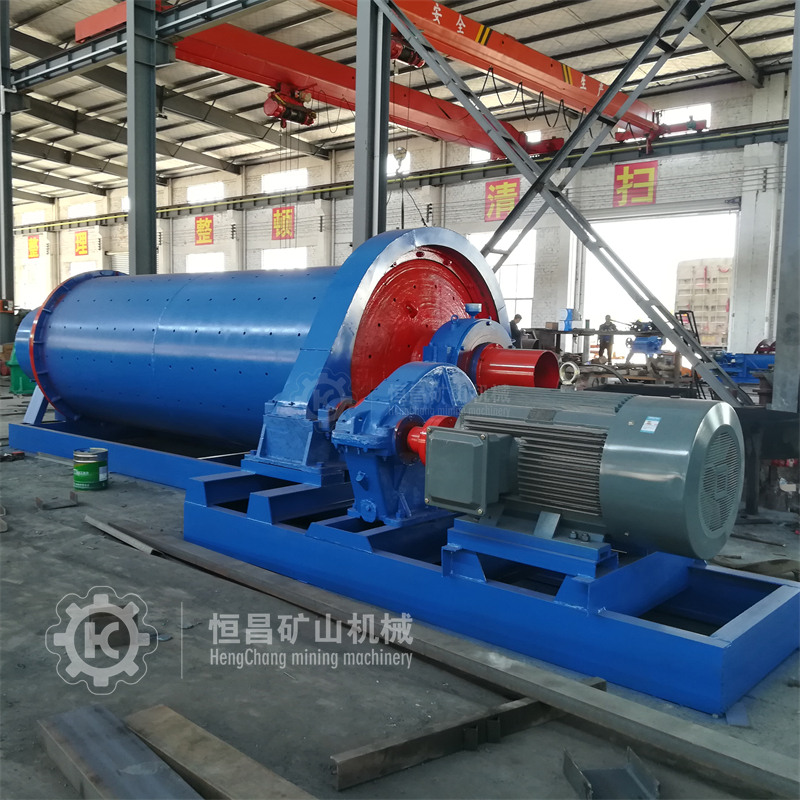
Gold size: Often fine or locked in sulfides.Best fit: Centrifugal concentrator after ball mill grinding. It can handle high feed rates and recovers liberated fines.
Shaking tables are better for final upgrading of concentrates.
3. Old Tailings / Reprocessing
Gold size: Very fine, often <75 microns.Best fit: Centrifugal concentrator all the way. No riffles to clog, no water issues—just spin and recover.
Head-to-Head Comparison (Real Numbers)
| Parameter | Shaking Table | Centrifugal Concentrator |
|---|---|---|
| Recovery for +200 mesh gold | 80–95% | 85–98% |
| Recovery for –200 mesh gold | 40–60% | 85–95% |
| Feed capacity (small unit) | 0.5–5 TPD | 1–10 TPH |
| Water consumption | 2–5 m³/ton | 5–10 m³/ton |
| Concentrate grade | High (20–50% Au) | Low (2–10% Au) |
| Operator skill required | Medium | Low to medium |
| Power consumption | 0.5–2 kW | 1.5–10 kW |
| Price (USD, small unit) | $3,000–$8,000 | $5,000–$15,000 |
Key takeaway: Centrifugal concentrator wins on recovery of fine gold, but shaking table wins on concentrate grade.
Why Choose [Jiangxi Hengchang Mining Equipment] for Your Setup?
Here’s a quick shout-out to a brand that’s been around the block: Jiangxi Hengchang Mining Equipment (also known as Hengchang Machinery). They manufacture both shaking tables and centrifugal concentrators, and they know a thing or two about real-world mining.
Their gold shaking tables are built with fiberglass decks, adjustable stroke and speed, and long-lasting riffles. Suitable for gold, tin, tungsten, and even iron.Their centrifugal concentrators (like the STL series) are used in Africa, South America, and Asia for fine gold recovery. They offer models from 5TPH to 100TPH, with automated concentrate discharge options.
Why mention them? Because if you’re sourcing equipment for 2026, you want reliable, field-tested machines that don’t break the bank. Hengchang is a regular supplier to small and medium mines across the globe.
Which One Should You Choose for 2026?
Here’s my honest take:
If your gold is mostly coarse (+100 mesh), and you need a clean concentrate that can be smelted directly, go with a shaking table.If your gold is fine (+30–200 mesh), and you’re processing high tonnage, go with a centrifugal concentrator.
If you can afford both, the ultimate setup is: Centrifugal concentrator (primary) → Shaking table (cleanup). This gives you high recovery first, then high-grade concentrate second.
Final Advice: Test Before You Invest
Don’t just guess. Send a 20 kg sample to your equipment supplier or a lab. Run it through both machines at different settings. Measure recovered gold below 100 microns. That’s where the real answer lies.
In 2026, fine gold recovery is the name of the game. As deposits become harder to mine, every bit of fine gold matters. A centrifugal concentrator will usually recover more fine gold than a shaking table—but if you need smelt-ready concentrate, the table still wins for final clean-up.
Which one fits your operation? Think about your feed size, tonnage, and budget. Then make the call.
Need help with sizing or choosing a machine? Reach out to equipment suppliers like Jiangxi Hengchang—they have experience with thousands of installations worldwide.
Happy mining!