Chinese


JXSC Zambia Gold Centrifuge 100TPH Alluvial Plant Process & Price
If you're scouting for a reliable, high-efficiency gold recovery solution for your alluvial mining operation in Zambia, you've probably heard the name JXSC. Their 100TPH alluvial gold plant has become a go-to for many small-to-medium scale miners across Africa.
Let’s be real: gold mining in Zambia has its own challenges – remote sites, varying ore grades, limited water, and the constant pressure to get the highest recovery rate with the lowest cost. This is where JXSC’s Zambia Gold Centrifuge and its 100TPH modular plant shines.
So, what’s inside this plant? How does it work? What’s it good for? And most importantly, what does it cost? Let's break it down in plain, no-nonsense language.
1. Device Introduction: JXSC 100TPH Alluvial Gold Plant
First off, this isn't just one machine. It’s a complete processing line designed for alluvial gold, typically composed of:
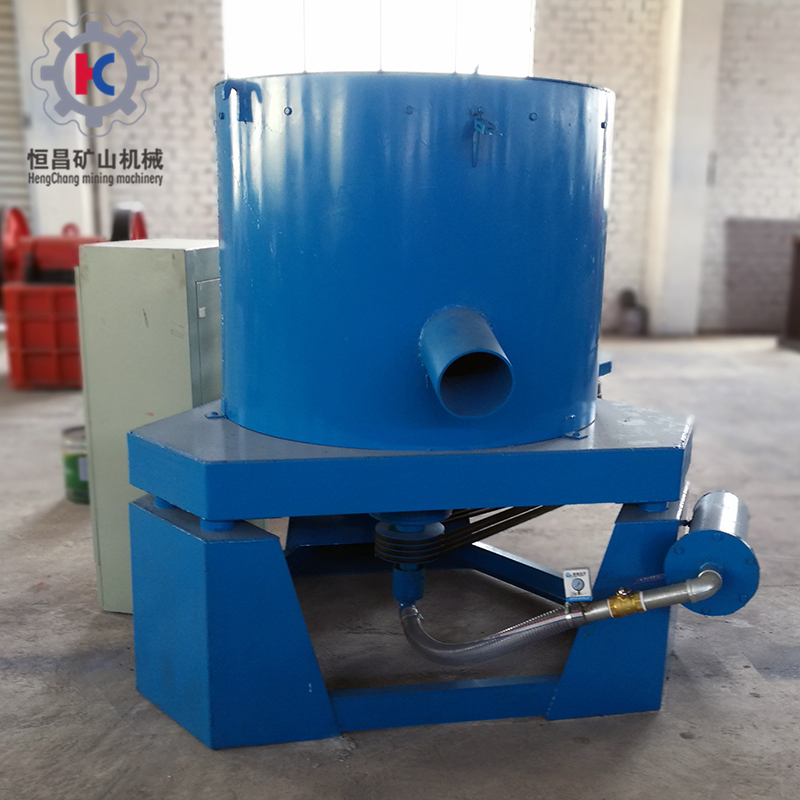
Feeder & Trommel Screen : For washing and screening out oversized rocks.JXSC Gold Centrifuge (Main Unit) : The heart of the plant, a gravity concentrator for fine gold.
Concentrating Table : For final cleanup of gold concentrate.
Slurry Pump, Generator, Piping : All integrated.
It's a modular, skid-mounted setup. That means you can truck it to site, assemble it in days (not weeks), and start digging.
2. How It Works: Simple Gravity, No Chemicals
Here’s the beauty: no cyanide, no mercury. Just pure physics.
The process is straightforward:
Feeding & Washing : Raw material goes into the hopper, then into a trommel. High-pressure water jets break down the clay and wash the ore. The +20mm rocks are rejected.Concentration : The undersize (sand & gravel) flows into the JXSC Gold Centrifuge. Inside, a rotating drum spins at high speed, creating a strong centrifugal field. Heavier particles (gold, magnetite) get trapped against the bowl wall, while lighter sand and gravel are flushed out.
Cleanup : The gold-rich concentrate from the centrifuge goes onto a shaking table. Here, you separate the fine gold from black sands.
Tailings : Water is recycled. Sand goes to a pond. No chemical pollution.
In short: Wash → Separate (by gravity) → Clean up.
3. African Use Cases: Stories from the Field
JXSC has shipped dozens of these plants to Africa. Here are some real-world examples:
Case 1: Zambia – Chingola Area
A medium-scale miner near Chingola had high clay content in the alluvial deposit. Using a JXSC trommel + centrifuge setup, they boosted recovery from 55% (with only a sluice box) to over 85%. The centrifuge handles the sticky clay better than traditional methods.
Case 2: Ghana – Offin River
A Ghanaian client processing old river terraces. The 100TPH plant ran 10 hours/day, producing about 20-30 grams of gold per day, depending on ore grade. The modular design let them relocate the plant 3 times in one season.
Case 3: Tanzania – Lake Zone
They added the JXSC gold centrifuge to an existing 50TPH plant. Result: faster cleanup, less water usage, and higher fine gold recovery (under 0.1mm).
Key takeaway: The plant works in wet, muddy conditions – typical for most African alluvial sites.
4. Structural Features: Built for Rough Sites
JXSC designed this thing for remote African sites. Here’s what stands out:
Heavy-duty steel frame – can handle rough road transport.Modular design – each section (feeder, trommel, centrifuge, table) can be lifted by a small crane or even a front loader.
Easy maintenance access – all inspection doors and clean-out ports are big enough for an average adult to crawl into.
Water recycling system – reduces fresh water demand by 70-80%. Critical for Zambian dry seasons.
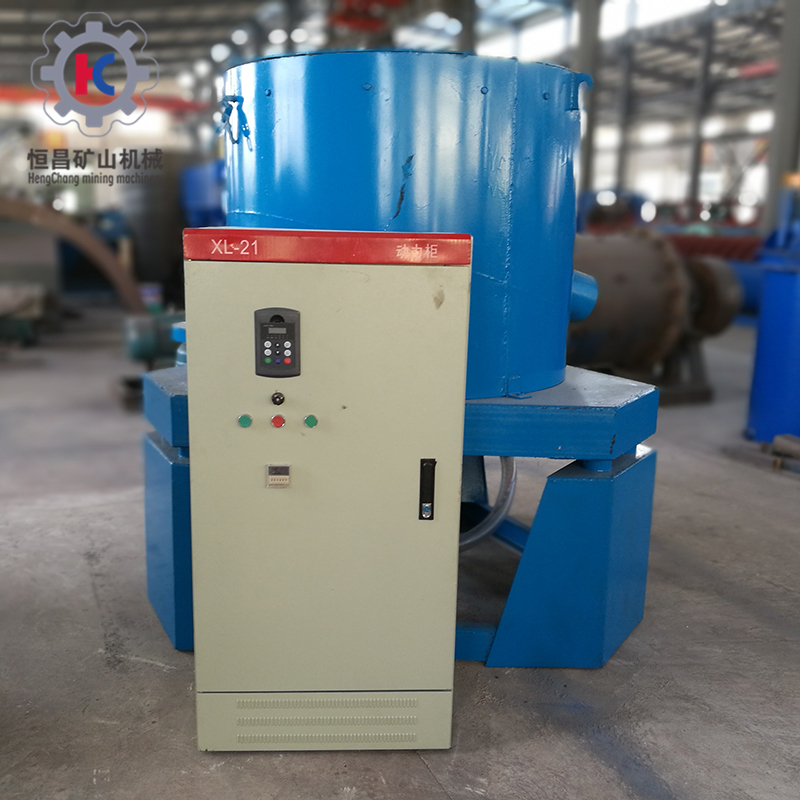
Centrifuge bowl – made from wear-resistant alloy, easy to replace.
5. Suitable Ores: What Can It Handle?
This 100TPH plant is not for hard rock. It’s purpose-built for:
Terrace gold deposits
Colluvial gold (hillside wash)
Old tailings from artisanal mining
Beach sand gold (rare in Zambia but exists)
It does NOT work for:
Hard rock gold (needs crushing & grinding)Ores with high sulfide content (needs floatation)
Fine clay (the trommel handles it, but extremely sticky clay may need extra time)
6. Processing Capacity & Parameters
| Parameter | Specification |
|---|---|
| Total plant capacity | 100 tons per hour (theoretical) |
| Actual throughput | 80-120 TPH depending on clay content |
| Centrifuge bowl speed | 600-800 RPM |
| Water consumption | 150-250 m³/hour (recycled) |
| Power requirement | 80-120 kW (diesel generator needed off-grid) |
| Transport dimensions | 3-4 containers (20ft) |
| Assembly time | 2-3 days with 4 technicians |
Real-world note: If your material is very sticky (clay >30%), actual throughput drops to around 70-80 TPH.
7. Operational & Maintenance Tips
Daily Checks:
Look at the centrifuge – any unusual vibration? Maybe a rock stuck.Check water pressure – low pressure = poor washing.
Clean the trommel screen – clay buildup reduces capacity.
Oil levels – centrifuge gearbox + feeder bearings.
Weekly:
Remove concentrate from centrifuge – don't let it cake.Inspect shaking table rubber covers – they wear out.
Check all bolts – vibration loosens them.
Common Mistakes Beginners Make:
Overfeeding – bigger material flow ≠ more gold. It just clogs the system.Not washing the clay enough – the trommel needs time.
Ignoring the centrifuge clean-out schedule – a full bowl loses efficiency.
8. Comparison with Other Equipment
| Feature | JXSC Centrifuge Plant | Traditional Sluice Box | Alluvial Jig Plant |
|---|---|---|---|
| Recovery for fine gold (<0.1mm) | 80-95% | 40-60% | 60-75% |
| Water efficiency | Good (recycles water) | High (uses fresh water) | Medium |
| Footprint | Small (modular) | Large (long sluice runs) | Medium |
| Maintenance | Moderate | Low | High (jigs wear) |
| Price | Medium-high | Low | High |
| Operator skill needed | Moderate | Low | Medium |
Verdict: For fine gold, the centrifuge wins by a mile. But if you're handling mostly coarse gold ( >1mm) with low fines, a sluice box might be cheaper upfront.
9. Application Scenarios Summary
Best for: Alluvial gold deposits with fine to medium gold size.Good for: Small-to-medium scale operations (5-20 workers).
Not ideal for: High clay content (>40%) or hard rock gold.
Zambia-specific: Works great in Lusaka province, Copperbelt, and Luapula river systems.
10. Price: What to Expect
Now, the elephant in the room: how much does a JXSC 100TPH Zambia Gold Centrifuge Plant cost?
Prices vary depending on:
Complete set (with generator, conveyors, piping)Spare parts kits
Shipping to Zambia (Lusaka or Ndola airport)
Customization (extra trommel, double centrifuge, etc.)
Estimated ballpark:
$80,000 – $130,000 USD for a new, complete 100TPH plant delivered to Zambia.
But here’s the smart advice:
Ask JXSC for a current quote – they often have promotions for African clients. Plus, they provide free commissioning and 1-year parts support.
Pro Tip: Ask for a verifiable reference – a customer in Zambia or nearby who has bought one. JXSC has service engineers in Lusaka and Ndola for after-sales support.
Final Thoughts
The JXSC 100TPH alluvial gold plant is a solid investment for any Zambian miner who wants to move from artisanal panning to serious production. It’s built for tough African conditions, handles fine gold like a champ, and doesn’t require expensive chemicals.
But remember: No machine is magic. Success still depends on your ore type, your site planning, and your team's skill.
If you’re ready to level up your gold mining game, this plant – especially with the JXSC gold centrifuge – is worth every penny.
Got questions about gold centrifuge selection, plant setup, or shipping to Zambia? drop a comment below – we’ll help you out.