Chinese


JXSC Zambia Copper Ore Processing Plant 100TPH Flotation Line Price & Case
Hey there, fellow miners and plant operators.
If you've been in the copper game for a while, you know the struggle: getting the right equipment for your ore isn't just about throwing money at a big name. It's about finding something that handles your specific rock, delivers consistent recovery, and doesn't make your maintenance crew cry.
Today, we're zooming in on a real-world solution from JXSC (江西恒昌矿山机械设备) – their 100TPH Zambia copper ore flotation line. Think of this as a "how-to" guide, covering setup, performance, cost, and how it stacks up against other options.
Let's dive in – no fluff, just useful stuff.
1. Why Zambia? The Copper Belt Reality
Zambia sits right in the heart of Central Africa's Copperbelt. The ore here is primarily sulfide copper (like chalcopyrite) mixed with oxide copper (like malachite). It's not simple – you’ve got variations in grade, liberation size, and gangue minerals.
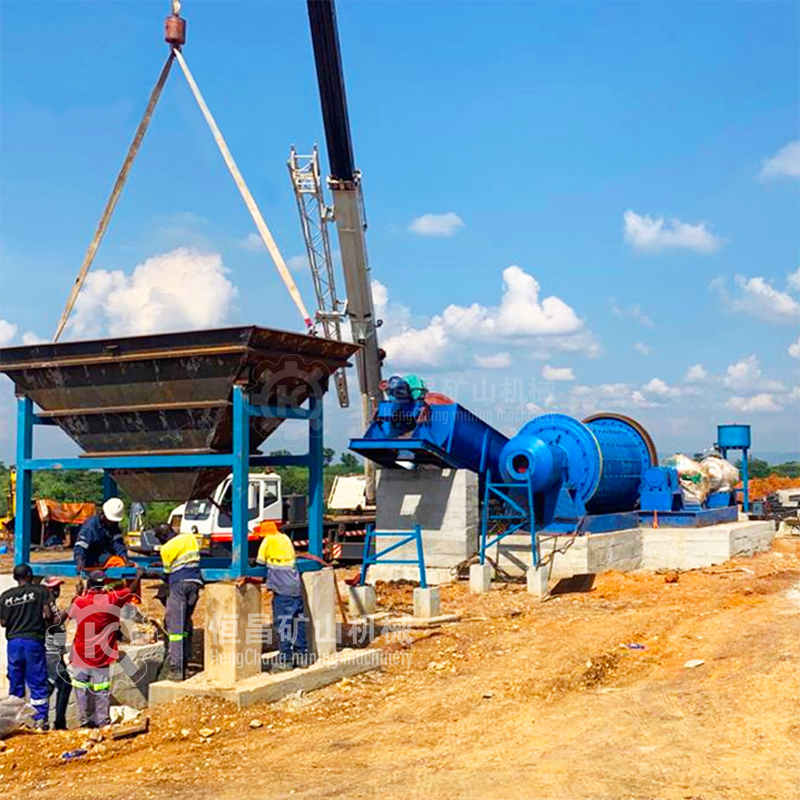
In our case study at a site near Chingola, the client had:
Feed grade: 1.8% Cu (mixed sulfide and oxide)Target concentrate grade: 22%+ Cu
Capacity: 100 tons per hour
Daily operation: 16 hours
They needed a line that could handle the hardness of quartzite gangue and the fines from crushing.
2. The JXSC 100TPH Flotation Line – Equipment Breakdown
Here’s what the line actually includes (no hidden surprises):
Crushing & Grinding Section
Jaw crusher (PE600x900) – primary stage, feeds 200mm rock down to 60-80mm.Cone crusher (PYB1200) – secondary, gives you 12-20mm product.
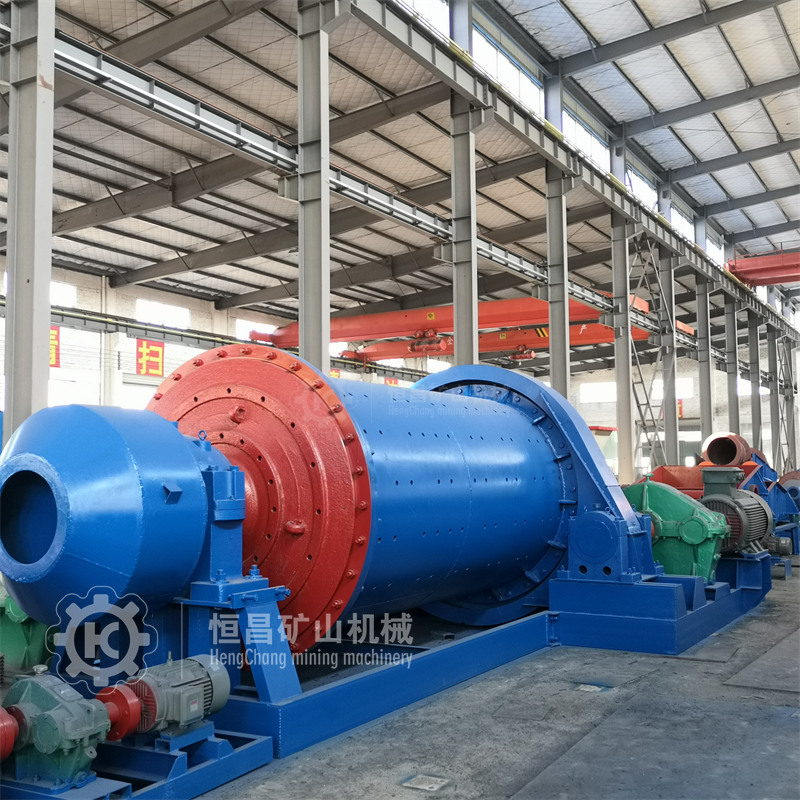
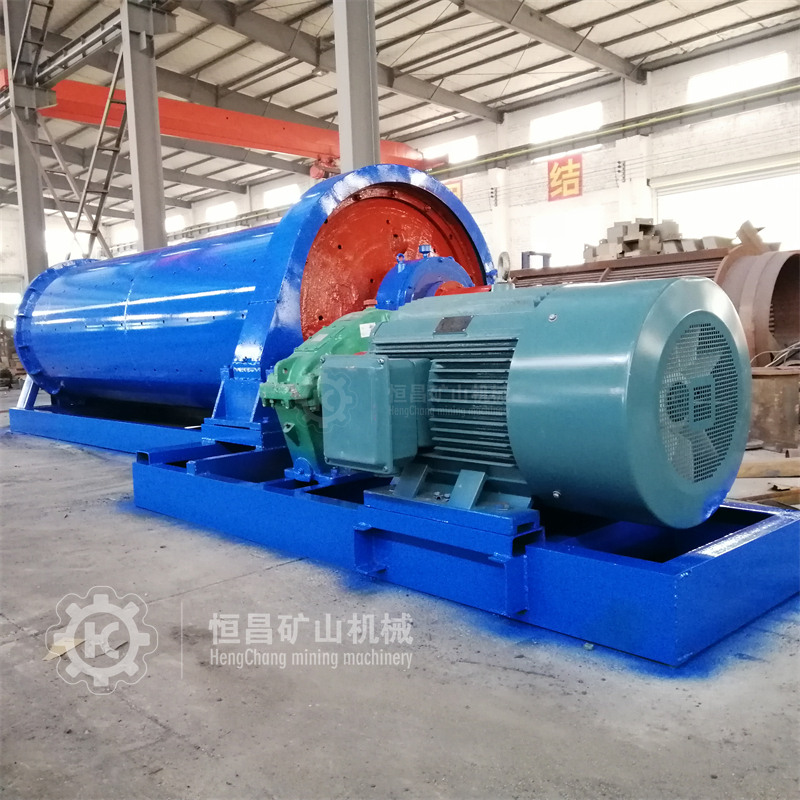
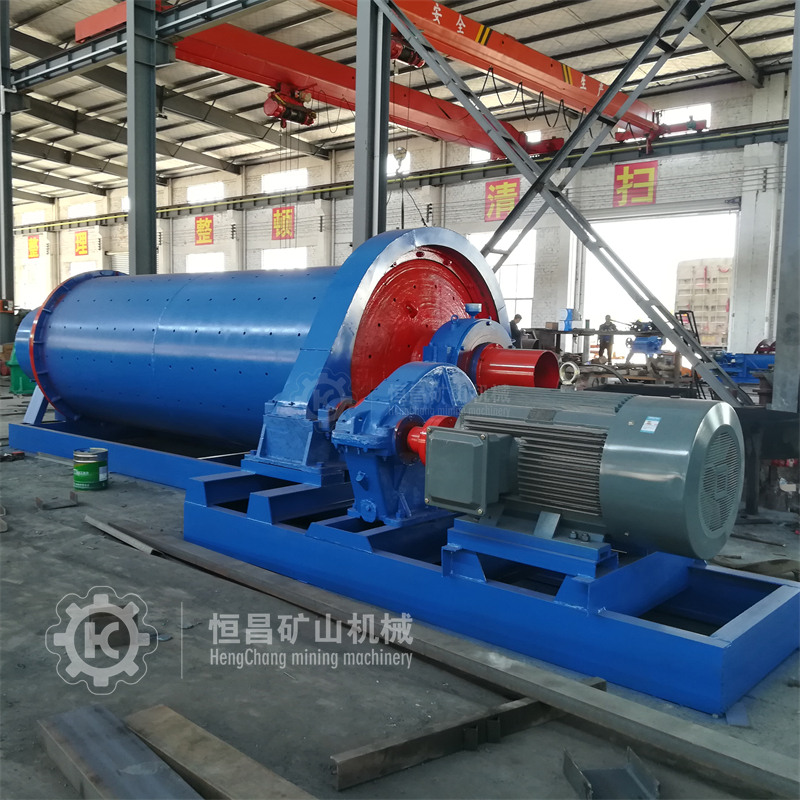
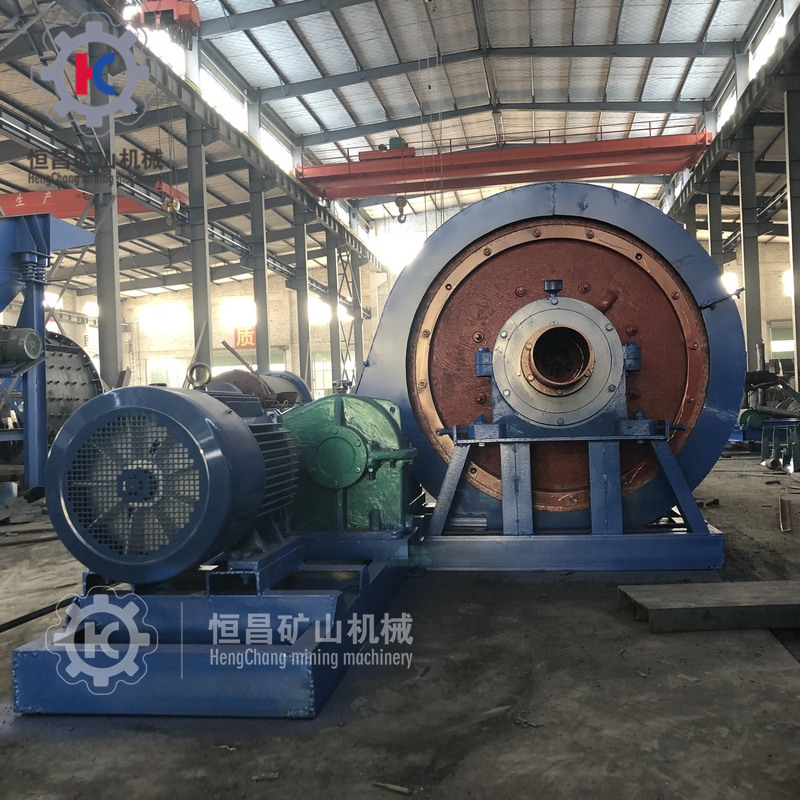
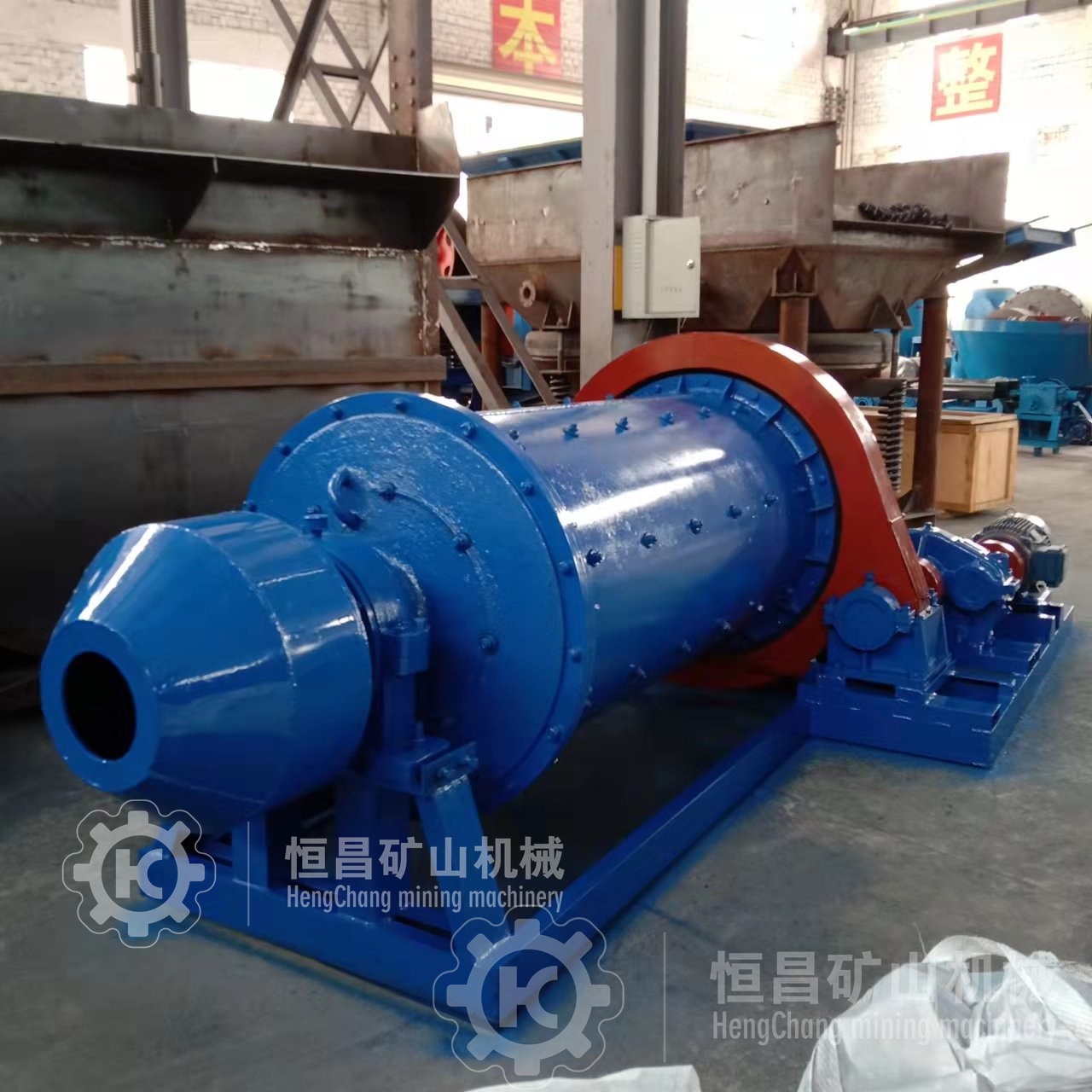
Ball mill (MQG2130) – closed circuit with a spiral classifier, grinding to -200 mesh (70-75%). This is critical – if you don’t get the grind right, flotation suffers. We ran tests to confirm optimal P80 (80% passing size).
Flotation Section
XJK type mechanical flotation cells – 8 cells in a row (No. 3, 4, 5, 6 models). Each cell handles 1.5-3m³ capacity.Conditioning tank – pre-mixing with collectors (xanthates) and frothers.
Pump & piping – all lined with rubber to handle abrasive slurry.
Concentrate Handling
Thickener (NZT-6) – dewatering down to 55-60% solids.Vacuum disc filter – final moisture <12%.
Real talk: The ball mill is the heart. We sized it to feed the flotation cells evenly – no starving, no surging.
3. How It Works – The Flotation Process in Simple Terms
Think of flotation like soap bubbles picking up gold dust.
Grinding breaks rocks into fine powder, liberating copper minerals from waste rock.Conditioning mixes the ore pulp with chemicals (collectors make copper particles water-repellent, frothers create bubbles).
Flotation – air bubbles are injected into the cells. Copper particles attach to bubbles and rise to the surface, forming a froth zone.
Skimming – the froth is scraped off into launders, then sent to thickeners. Waste rock (tailings) flows out the bottom.
Key detail in Zambia: Because we have mixed sulfide/oxide, we added a sulfidization step for oxide copper (using sodium sulfide) before flotation. This recovers an extra 5-8% copper that would otherwise be lost.
4. JXSC Equipment – What Makes It Stand Out?
I’ll be honest – there are cheaper machines out there. But here’s what our Zambia client found out after 6 months of operation:
| Feature | JXSC Line | Competitor A | Competitor B |
|---|---|---|---|
| Ball mill liner life | 12-14 months (Mn steel) | 8-10 months | 9-11 months |
| Flotation cell wear | Rubber-lined impellers last 6 months | Steel impellers wear in 4 months | Polyurethane, but cracks |
| Recovery rate | 85-88% (sulfide), 70-75% (oxide) | 80-82% | 82-84% |
| Slurry handling | Self-priming pumps, no clogging | Frequent pump blockages | Decent, but higher energy |
| Automation | Simple PLC – start/stop, pressure sensors | Manual only | Complex touchscreen, hard to train |
Bottom line: JXSC equipment is built tough for African conditions – less downtime, easier maintenance. The client’s shift foreman said: “I can train a new operator in 3 days. With the other machine, it took 2 weeks.”
5. Price & Cost-Effectiveness
Now the million-dollar question (well, less than that):
Estimated price for a full JXSC 100TPH Zambia copper flotation line (2023-2024):
Equipment only: $280,000 – $350,000 USD (FOB Shanghai)Plus sea freight to Dar es Salaam: ~$25,000
Land transport to Zambia Copperbelt: ~$20,000
Installation supervision (optional): $15,000 for 2 engineers, 30 days
Total estimated cost: $340,000 – $410,000 USD
Comparison: A European brand 100TPH line starts at $600,000+ not including shipping. Chinese mid-tier brands are around $350,000-$400,000 but often with inferior components (e.g., thin liners, weak motors).
JXSC’s value: Not the cheapest, but the sweet spot – solid build, good recovery, and easier to maintain with local support.
6. Operating & Maintenance Tips (Learned the Hard Way)
Daily Checks
Slurry density in flotation feed – if it’s too thick (>35% solids), cells bog down. If too thin, recovery drops. Use a Marcy scale.Froth colour – light brown is good (copper-bearing). If it turns dark grey (pyrite), adjust collector dosage.
Pump packing – inspect every shift. Leaking pumps waste water and cause spills.
Weekly
Clean flotation cell impeller – remove any build-up of scale or clay. In Zambia’s high-silica ore, we had to do this every 7 days.Lubricate ball mill main bearings – use the correct NLGI 2 grease. Over-greasing can overheat.
Monthly
Check liner bolts inside the ball mill – loose bolts cause liner cracks.Calibrate reagent feeders – simple peristaltic pumps drift over time. A 10% error means lost recovery.
Important:
Spare parts: Stock impellers, pump seals, and a set of ball mill liners. Lead time from China is 45-60 days.
Training: JXSC provides manuals and one on-site engineer for installation. But teach your team why things work – not just how.
7. Application Scenarios – Where This Line Shines
This JXSC 100TPH line isn’t a one-trick pony. It works well for:
Mixed sulfide-oxide copper ores (Zambia, DRC)Hard ores (>15% quartz) – the crushers and ball mill handle it
Low-grade deposits (0.5-2% Cu) where every recovery % counts
Remote locations – easy to transport, few high-maintenance sensors
Expansion projects – you can add more flotation cells later
What it’s NOT good for:
Highly clayey ores (>20% clay) – you’ll need pre-concentration (scrubbing or cyclone).
Very high throughput (200+ TPH) – that’s a different class of equipment.
8. Final Verdict – Is JXSC Right for You?
If you’re looking for a reliable, well-built flotation line for a 100TPH copper project in Africa, JXSC’s Zambia package is a strong contender.
Pros:
Real-world proven in Zambia’s CopperbeltEasy to operate and maintain
Good recovery (especially with mixed ore)
Reasonable price point
Cons:
No high-end automation (if you need remote monitoring)Limited local service compared to big European names
Shipping time (plan 3-4 months from order)
Recommendation:
For small producers: Start with a JXSC pilot plant (5-10 TPH) to test your ore, then scale up.For established miners: replace old, leaky froth cells with JXSC’s XJK series – you’ll see immediate recovery gains.
For investors: The ROI on a 100TPH line treating 1.5% copper ore at $3,800/ton copper – payback in 6-8 months of steady operation.
Need a Quote or Want to Visit the Zambia Site?
If you’ve got a specific copper project – or any ore really – JXSC (江西恒昌矿山机械设备) can help with equipment selection, plant layout, and even on-site commissioning.
They speak the language of African mining: practical, durable, and focused on your bottom line.
Got questions? drop them in the comments – we answer every one. Happy mining!