Chinese


JXSC Nigeria Monazite Processing Plant 5TPH Flow Design & Equipment Price
Hey there, fellow miners and plant operators! If you're reading this, you're probably looking for a reliable, cost-effective solution to process monazite in Nigeria. You've come to the right place. Today, we're breaking down the JXSC Nigeria 5TPH Monazite Processing Plant – from flow design to equipment price, and everything in between.
Why monazite? It's a valuable rare earth mineral, and Nigeria has significant deposits. But processing it? That requires specific equipment and know-how. Let's get into it.
? Why Monazite in Nigeria? A Real-World Case
Nigeria is one of the top monazite producers in Africa, especially in states like Plateau, Kaduna, and Kogi. Small-scale and artisanal miners often struggle with inefficient methods – high losses, low recovery. That's where a 5TPH (tons per hour) monazite processing plant comes in. It's the sweet spot for medium-scale operations.
Take an example from a recent project: A client in Jos, Plateau State, had a 20-30% monazite grade but lost over 40% during traditional gravity separation. After switching to JXSC's 5TPH flow design, recovery jumped to 85%+. That's real money saved.
? How Does a 5TPH Monazite Processing Plant Work?
Let's keep it simple. Monazite is a heavy mineral, but it's often mixed with light quartz, clay, and other gangue. The process is about separating the heavy from the light. Here's the step-by-step flow:
Crushing & Grinding – Reduce ore size to liberate monazite particles.Screening – Remove oversize material.
Gravity Concentration – Shaking tables or spirals separate heavy monazite from lighter sand.
Magnetic Separation – Monazite is weakly magnetic; use high-intensity magnetic separator to remove iron minerals.
Electrostatic Separation – For final purity, electrostatic separators differentiate monazite from non-conductive gangue.
The JXSC 5TPH design uses a compact, modular layout – perfect for remote Nigerian sites.
⚙️ Equipment List & Price Guide for 5TPH Monazite Plant
Now, the part you're all waiting for – what equipment do you need and how much does it cost? Keep in mind, prices vary by specification, but here's a realistic estimate for a JXSC 5TPH plant.
| Equipment | Quantity | Unit Price (USD) | Total (USD) | Notes |
|---|---|---|---|---|
| Jaw Crusher (PE250x400) | 1 | $3,500 | $3,500 | Primary crushing |
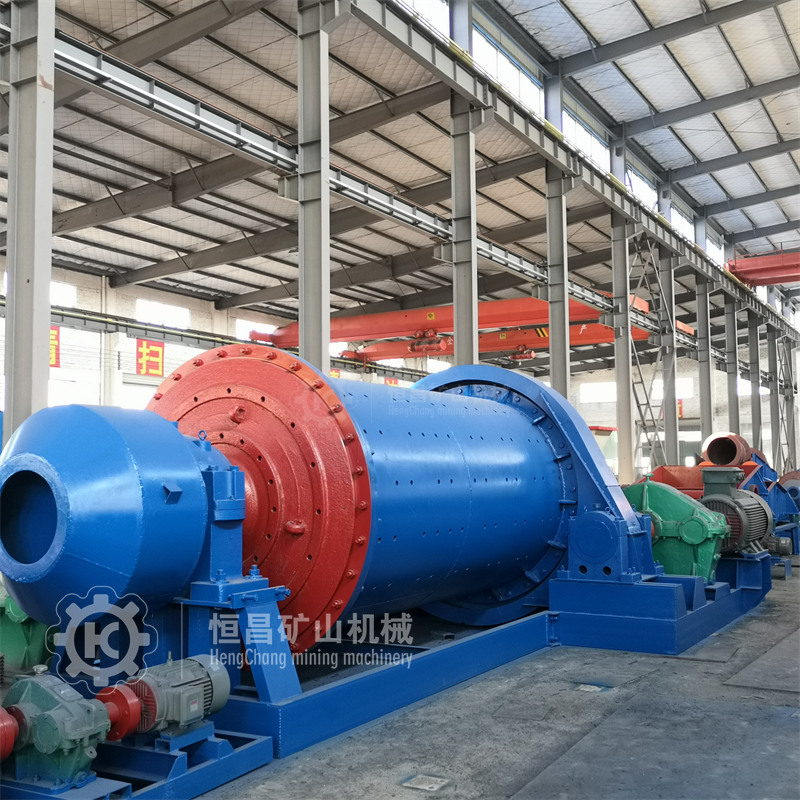
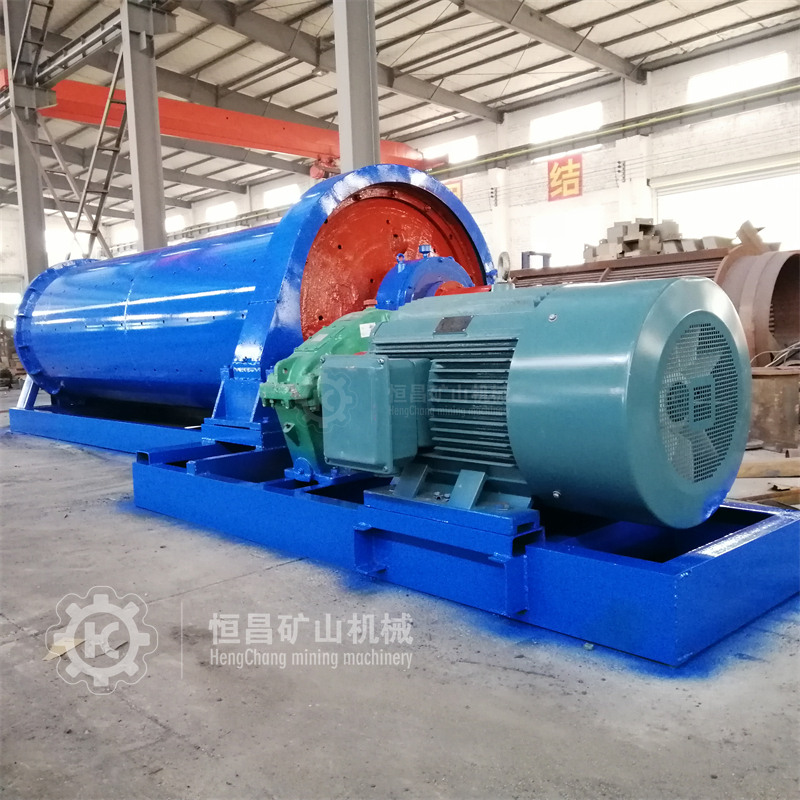
| Ball Mill (900x1800) | 1 | $8,000 | $8,000 | Grinding to -0.5mm |
| Vibrating Screen (2-layer) | 1 | $2,500 | $2,500 | Sizing |
| Spiral Classifier (FG-750) | 1 | $3,000 | $3,000 | Dewatering |
| Shaking Table (6-S) | 2 | $4,000 each | $8,000 | Gravity separation |
| Magnetic Separator (Wet high-intensity) | 1 | $12,000 | $12,000 | Monazite recovery |
| Electrostatic Separator (HT-5) | 1 | $15,000 | $15,000 | Final upgrade |
| Pumps, pipes, electric control | Set | $5,000 | $5,000 | Auxiliary |
| Total Estimated Price | $57,000 | FOB China port |
Note: This is a ballpark. Actual price depends on shipping to Lagos or Port Harcourt, local taxes, and installation. Always get a customized quote from JXSC for your specific ore test.
? What Ores Can This Plant Handle?
Monazite is the star, but this 5TPH flow is versatile. It works on:
Monazite (rare earth phosphate)Ilmenite & Rutile (titanium minerals)
Zircon (zirconium silicate)
Garnet (abrasive mineral)
Cassiterite (tin ore)
The key? The flow uses gravity + magnetic + electrostatic, which is ideal for heavy mineral sands. If your ore has high clay, add a trommel scrubber upfront.
✅ Advantages of JXSC 5TPH Monazite Plant – Why Choose It?
High Recovery Rate – Up to 90% for monazite, thanks to multi-stage separation.Modular Design – Easy to expand to 10TPH later. Just add more tables.
Low Power Consumption – Total ~50kW, diesel generator compatible.
Easy to Operate – One supervisor + two workers can run it.
Durable – All steel frames, wear-resistant liners, long service life.
? Processing Capacity Parameters
| Parameter | Specification |
|---|---|
| Throughput | 5 tons per hour |
| Feed size | ≤150mm (after crushing) |
| Feed moisture | ≤5% |
| Power | ~50kW (total) |
| Plant footprint | 20m x 15m |
| Water consumption | ~20 m³/hour (recyclable) |
| Final product purity | ≥97% monazite concentrate |
?️ Daily Operation & Maintenance Tips
Keep your plant running like clockwork:
Daily checks: List. Grease bearings, check belt tension, inspect screen mesh for wear.Weekly: Clean magnetic separator gaps, drain water from sump tanks.
Seasonal: During rainy season in Nigeria (May-Oct), cover electric panels to prevent moisture damage.
Pro tip: Always keep a spare set of screen cloths and pump seals. Downtime kills profit.
? How Does It Compare to Other Equipment?
vs. Spiral Concentrators
Spirals: Lower cost, but lower recovery for fine monazite (<100 mesh).Shaking Table (JXSC): Better for fine particles, easier to adjust.
vs. Centrifugal Concentrators (Knelson)
Knelson: High recovery but high water consumption and electricity. Expensive.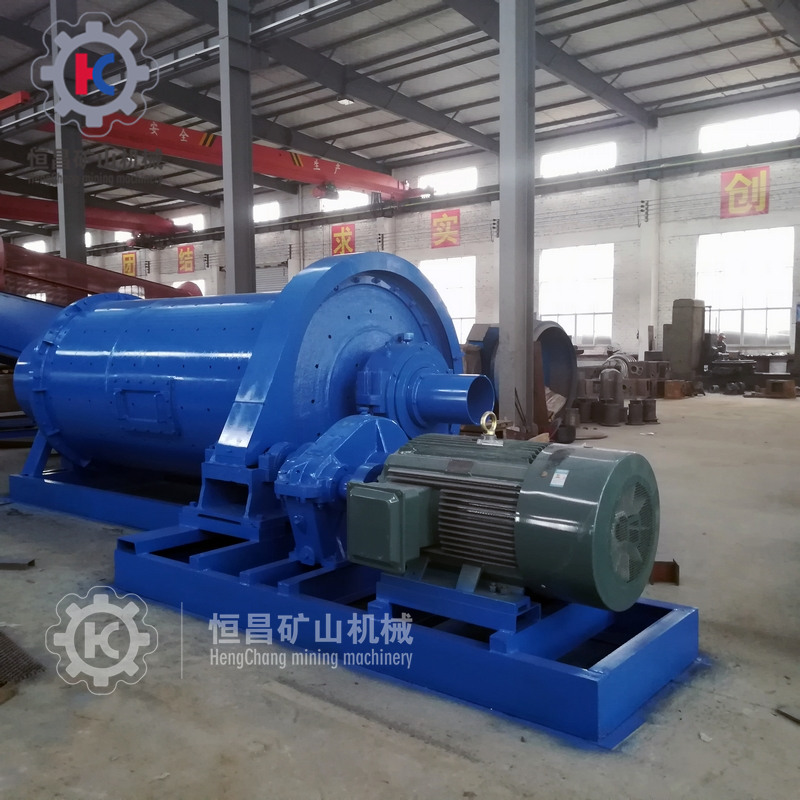
vs. Jigs
Jigs: Good for coarse material, but not ideal for monazite which is often fine.JXSC flow: Better suited for the grain size in most Nigerian monazite deposits.
? Application Scenarios – Where Does This Plant Shine?
Small to medium-scale monazite mines in Plateau, Kaduna, Kogi.Artisanal cooperatives looking to upgrade from manual panning.
Custom milling service – Process ore for local miners for a fee.
Start-ups with limited capital – $57k initial investment, payback in 6-12 months depending on grade.
? Final Takeaways
The JXSC 5TPH Monazite Processing Plant is not just a piece of machinery – it's a turnkey solution for Nigerian (and African) miners. It's affordable, efficient, and simple to operate. With proper selection of processing equipment and a good process design, you can turn waste dumps into profit.
⚠️ Final advice: Before buying, always send a 50kg sample to JXSC for a free test. They'll tailor the flow to your specific ore. That's the smart move.
Have questions? drop them in the comments or contact JXSC directly. Happy mining, folks!