Chinese


JXSC Zambia Tin Ore Processing Equipment 5TPH Model & Flow Sheet Cost
If you're a mine owner or a new technician in Zambia, working with tin ore can feel overwhelming. Especially when you need to hit a 5 ton per hour target without breaking the bank.
You want equipment that's reliable, simple to run, and won't eat your profit margin.
That's where JXSC Mine Machinery Factory comes in. Based in Ganzhou, China – the global capital of mining equipment – JXSC has been supplying proven, rugged machines to Africa for over 20 years.
Let’s break down exactly what you need for a Zambia tin ore processing plant, the model list, the flow sheet, and a realistic cost breakdown.
Why Zambia is Perfect for JXSC Tin Ore Equipment
Zambia isn't just copper. There's significant tin potential in areas like Lusaka, Eastern Province, and Copperbelt region.
The problem? Many local miners use outdated methods. High loss of fine tin (below 0.1mm), high water consumption, and machines that break down every week.
JXSC's equipment is designed for African conditions:
Runs on 380V or diesel (no unstable grid problems)Low water requirement (critical for dry-season operations)
Simple mechanical design (local technicians can fix it)
Heavy-duty steel frame (survives rough transport and hot climate)
Standard 5TPH Tin Ore Processing Model List
For a 5 ton per hour alluvial tin ore plant, JXSC typically packages these machines:
| Step | Equipment | Model | Power |
|---|---|---|---|
| Feeding | Hopper + Vibrating Feeder | GZT-0930 | 2.2kW |
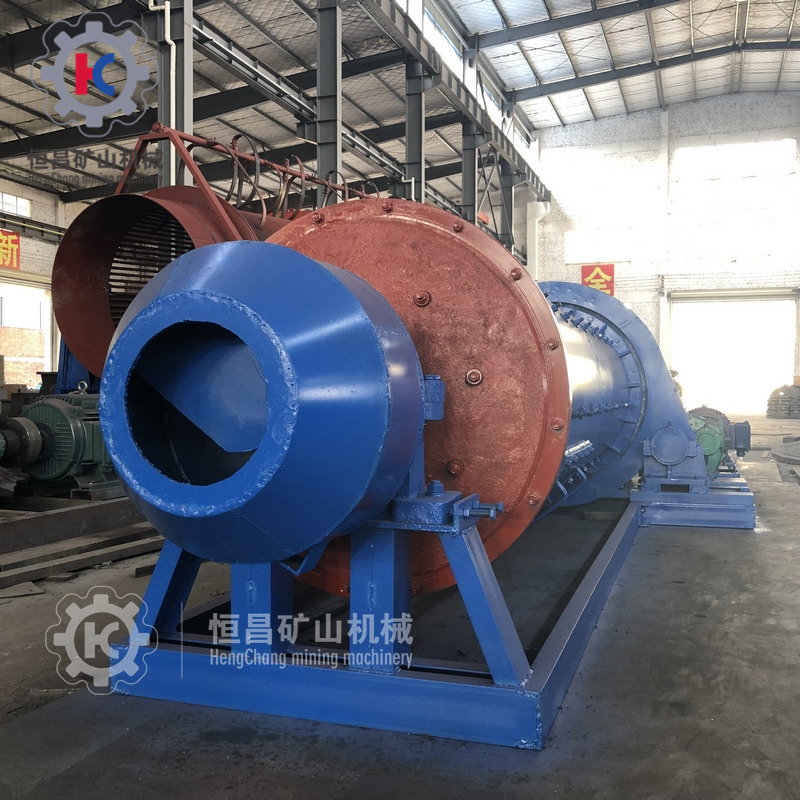
| Washing | Rotary Trommel Scrubber | GT-1530 | 7.5kW |
| Primary Concentration | Jig Machine | 2LTC-6109/8T | 1.1kW |
| Fine Recovery | Shaking Table | 6-S 4500×1850 | 1.1kW |
| Slime Handling | Spiral Classifier | FG-1200 | 5.5kW |
| Dewatering | Slurry Pump + Dewatering Screen | 8" pump + 0.5×1.2m screen | 7.5kW |
Total installed power: ~25kW
Operating crew: 3-4 workers
Water required: ~50-60 m³/hour (most is recycled)
Real Flow Sheet (Step-by-Step)
Here's how the 5TPH plant works on your Zambian site:
Feeding – Raw tin ore is dumped into a hopper (grizzly bars remove +100mm oversize rocks).
The vibrating feeder meters material into the trommel.
Washing & Screening – The rotary scrubber breaks down clay and sticky mud. Material passes through 10mm and 2mm screen plates.
Oversize (+10mm) – discard or stockpile.
Under 10mm – goes to jig.
Primary Jigging – The 2LTC jig uses water pulsation. Heavy tin sinks to the bottom (concentrate). Lighter gangue (sand, quartz) overflows to tailings.
*Concentrate grade: 15-25% Sn (from 0.5-1% feed).
Fine Shaking Table – The jig concentrate is fed to a 6-S table. This gives fine separation of tin from pyrite, tourmaline, or garnet.
*Final tin concentrate: 50-65% Sn.
Slime Treatment – Fine tin (-0.074mm) that goes to overflow is not lost. The spiral classifier recovers it and sends back to the table.
Dewatering – Final concentrate goes through a dewatering screen. You get dry enough material for bagging or truck loading.
Estimated Cost for a 5TPH Plant (FOB or CIF Zambia)
This is a realistic budget based on current JXSC pricing (2025):
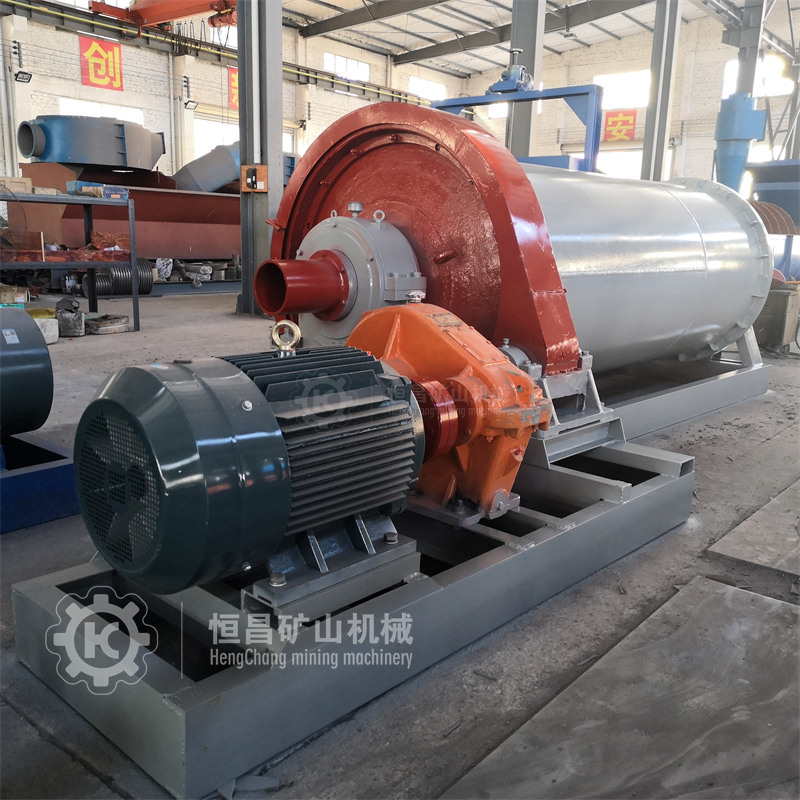
(Includes hopper, feeder, trommel, jig, 2 shaking tables, pumps, pipework)
Spare parts package (1 year): $2,500 – $3,500
(Screen mesh, rubber liners, jig hutch water valves, belts)
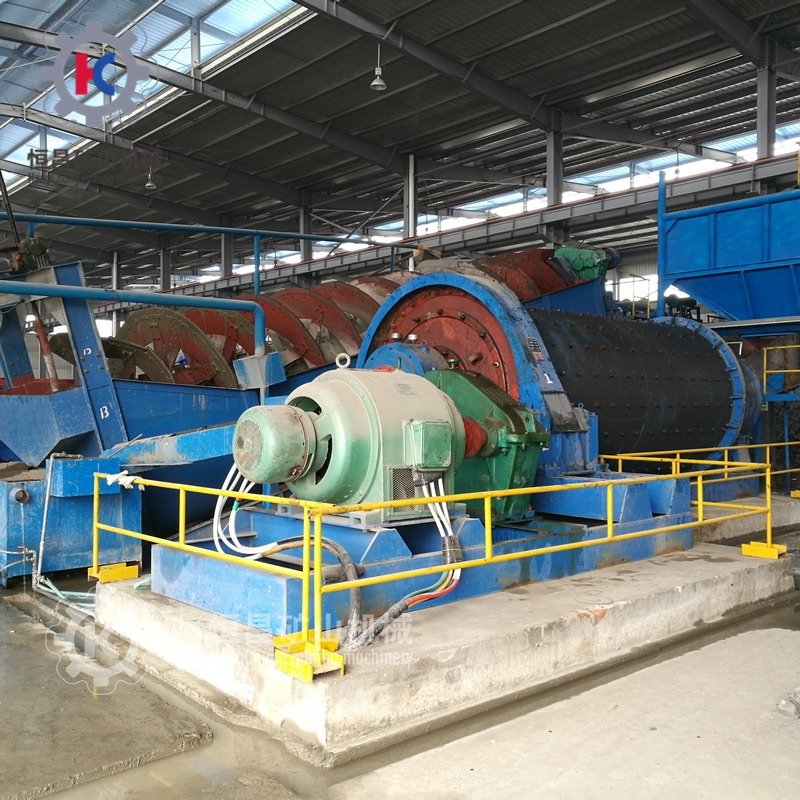
Engineering & layout drawing: Free (included)
Shipping to Zambia (CIF Lusaka or Nampundwe): $4,000 – $7,000
(Depends on container size – 1×20ft container fits the 5TPH plant)
Total estimated landed cost: $25,000 – $35,000
Note: This doesn't include foundation work, local labor, or customs clearance. Add 10-15% for those.
Pros of JXSC vs Local Fabrication
I know many Zambian miners consider building machines locally. Here's why JXSC often wins:
Engineered for tin – Not a modified gold jig. The jig stroke and screen boxes are tuned for cassiterite (tin ore).Spare parts in stock – Central warehouse in Lusaka. You call, we ship within 48 hours.
Training included – A JXSC engineer can come to site for 7-10 days commissioning (extra cost, but worth it).
Better metallurgy – You see 85-90% recovery of tin vs 60-70% with improvised equipment.
Maintenance Tips for Long Life
Lubricate bearings daily – Trommel bearings, jig eccentric shaft, and pump bearings need grease every 8 hours.Check screen mesh – The trommel screen and jig screen plates wear fast. Inspect every 40 hours.
Watch water pressure – Jig needs 1.5-2 bar water pressure. drop pressure = poor jigging.
Clean shaking table surface – The table riffling traps fine tin. Clean with water brush every 2 hours.
Common Mistakes to Avoid
Adding too much feed – 5TPH means 5 tons per hour. Overfeeding = tin loss.Ignoring slime – Fine tin (-0.074mm) is valuable. Use spiral classifier or centrifugal concentrator.
Skipping the trommel – Wet clay will blind a jig or table. Always wash first.
Buying undersized pumps – Cheap 4-inch pumps don't handle slurry. Use 8-inch.
Final Verdict: Is JXSC Right for Your Zambia Tin Mine?
If you're serious about efficient tin recovery in Zambia, JXSC's 5TPH package is the smartest investment for small to medium operations.
You get:
Proven machinesFast support (Lusaka warehouse)
Real recovery rates (85-90%)
Budget-friendly total cost
Don't lose tin to poor equipment. Invest in JXSC – your partner in African mining.
Need a quote or layout? Contact JXSC Mine Machinery Factory directly. Visit jxscmachine.com or email your site details. They'll customize the flow sheet for your exact tin ore grade and conditions.